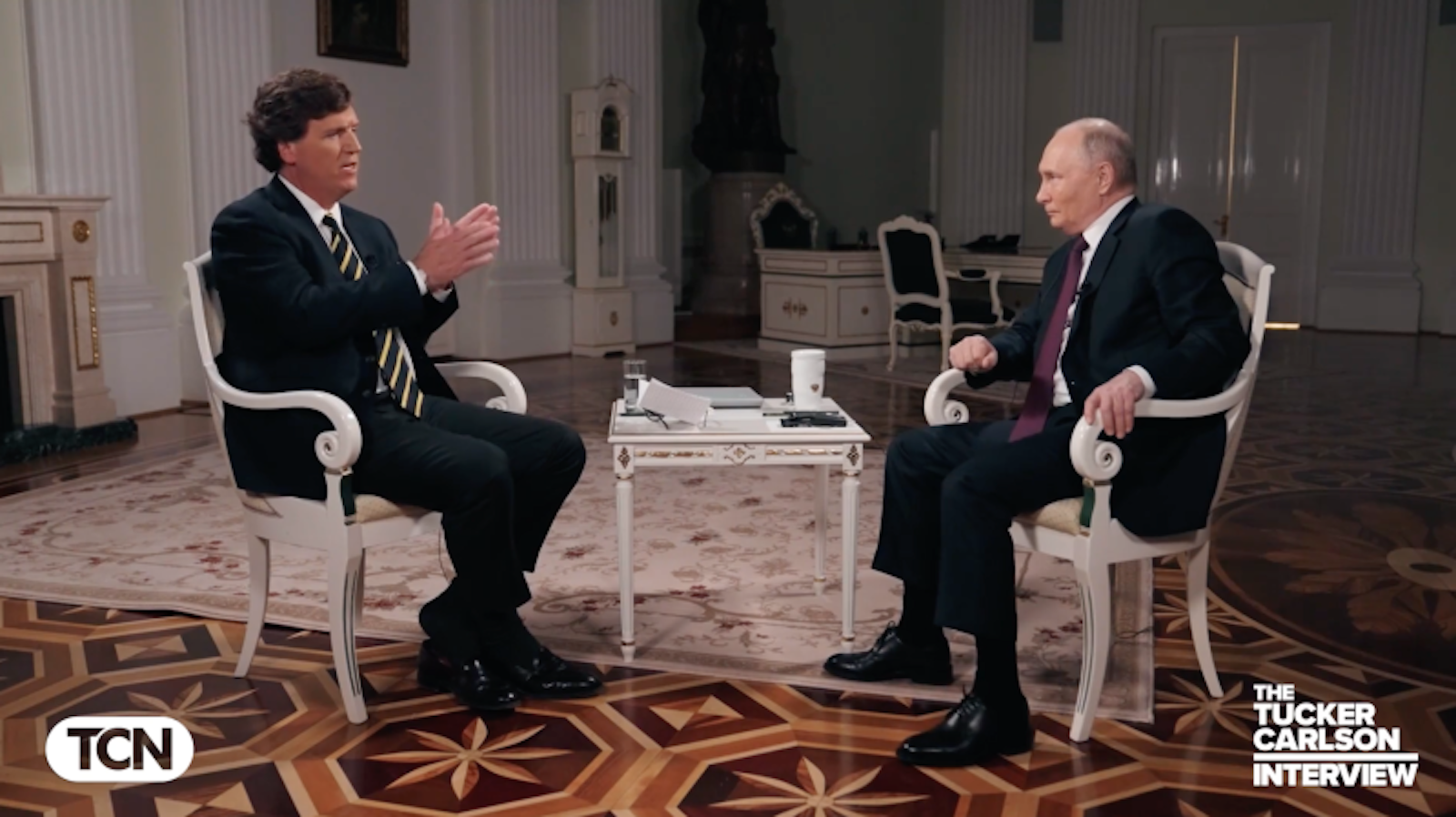
In a surprising turn that has sent ripples through the media landscape, prominent conservative commentator Tucker Carlson has publicly apologized for ‘misleading’ people regarding former President Donald Trump. Admitting, ‘We’re implicated in this for sure,’ Carlson’s statement, as reported by NBC News, marks a significant moment of introspection from a figure who has long been a staunch defender and amplifier of Trump’s political narratives. This unprecedented acknowledgment opens a crucial discussion about accountability, media influence, and the evolving dynamics within conservative thought.
A Shift from a Media Powerhouse
For years, Tucker Carlson, through his highly-rated Fox News program and later his independent digital ventures, stood as one of the most influential and unyielding voices in conservative media. His platforms frequently provided a robust defense of Donald Trump, often echoing the former president’s claims regarding electoral integrity, political opposition, and various policy decisions. This consistent support cultivated a loyal audience that viewed Carlson as a bulwark against mainstream media and liberal narratives.
The apology, however, signals a potential fracturing of this previously monolithic stance. While the specific instances of ‘misleading’ were not exhaustively detailed in early reports, the implication points to a broader self-assessment of the information and perspectives his platforms disseminated concerning Trump’s presidency and post-presidency activities. Carlson’s admission suggests a recognition of the profound impact his words have had on public perception and the collective understanding of critical events.
The Weight of ‘We’re Implicated’
The phrase ‘We’re implicated in this for sure’ carries a heavy weight, suggesting a broader acknowledgment of shared responsibility. This isn’t merely a personal retraction but an apparent recognition of a collective failure or misjudgment within a segment of the media. Such an admission from a figure of Carlson’s stature is rare and forces a reevaluation of the symbiotic relationship between political figures and the media outlets that champion them.
Observers are scrutinizing whether this apology stems from genuine introspection, a strategic repositioning in a shifting political climate, or an awareness of potential legal or reputational vulnerabilities. Regardless of the underlying motivation, the public nature of Carlson’s statement immediately injects a new element into the ongoing discourse about media ethics, the spread of misinformation, and the responsibilities of high-profile commentators.
Reactions Across the Spectrum
The fallout from Carlson’s apology has been immediate and varied. Liberal commentators and media critics have largely viewed the statement with a mix of vindication and skepticism, questioning the timing and the depth of the apology. Many have highlighted what they perceive as years of potentially misleading rhetoric, particularly in the wake of the 2020 election and the January 6th Capitol riot, and asked why such an admission is only surfacing now.
Within conservative circles, the reaction is more complex. Some loyalists may dismiss the apology as out of character or a misinterpretation, while others might view it as a necessary moment of reckoning. The statement could alienate a segment of his audience who relied on his unwavering support for Trump, potentially prompting a realignment of allegiances within the conservative media ecosystem. Meanwhile, more moderate conservatives might welcome the candidness, seeing it as a step towards greater accountability.
Implications for Media Accountability and Trust
Carlson’s apology reignites critical conversations about media accountability in an era dominated by partisan news and social media echo chambers. The power of media personalities to shape public opinion is undeniable, and with that power comes a profound responsibility to uphold accuracy and truth. When influential figures acknowledge their role in ‘misleading’ the public, it underscores the systemic challenges facing journalism and the fragile nature of public trust.
This incident could serve as a catalyst for other media personalities and outlets to reflect on their own practices. It highlights the potential consequences of prioritizing narrative over verifiable facts and the long-term damage that can be inflicted upon public discourse when misinformation gains traction. For Carlson himself, the apology will undoubtedly shape his future credibility and the perception of his commentary, forcing both his supporters and detractors to re-evaluate his position in the media landscape.
Looking Ahead
The coming weeks and months will reveal the true impact of Tucker Carlson’s apology. Will it lead to a broader shift in conservative media towards greater self-scrutiny and a more rigorous commitment to factual accuracy? Or will it be an isolated incident, quickly overshadowed by new controversies and allegiances?
Regardless, Carlson’s admission serves as a stark reminder of the immense influence wielded by media figures and the critical importance of holding them accountable. It underscores the ongoing struggle to discern truth from partisan narratives and the continuous need for both media consumers and producers to engage with information critically and responsibly, especially when the stakes for democratic discourse are so high.