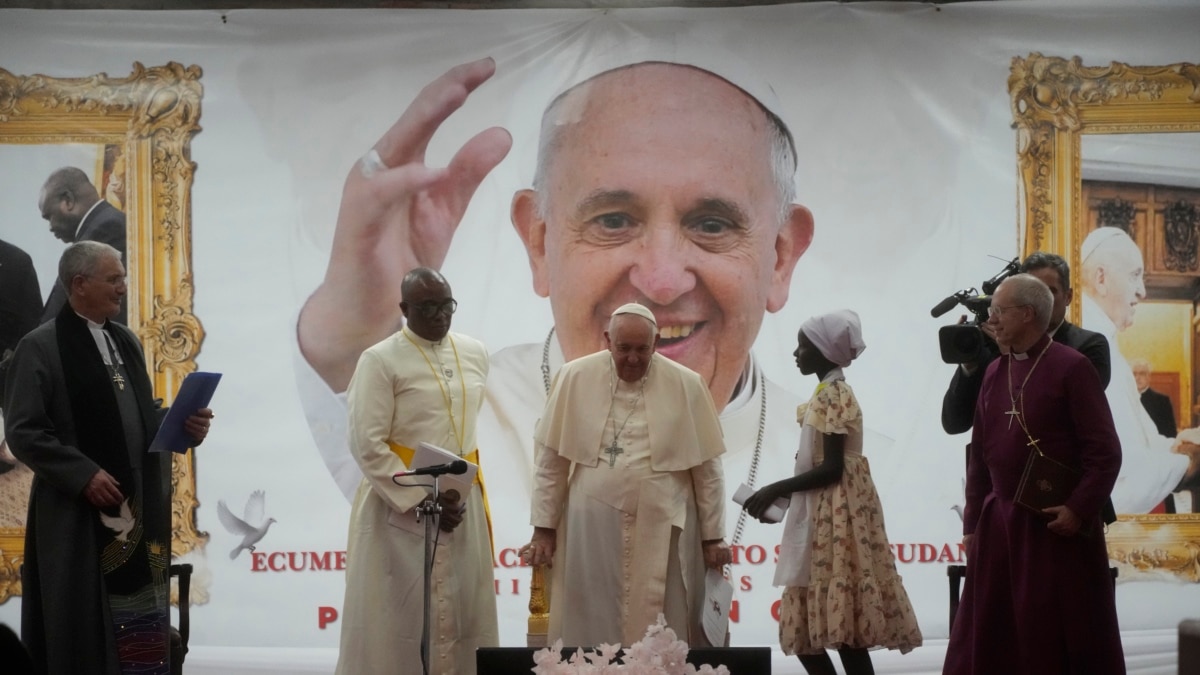
In a powerful and poignant address from Cameroon, Pope Francis issued a profound call to Africa’s burgeoning youth population, urging them to resist the dual temptations of perilous migration and corrosive corruption. The pontiff’s message, delivered with characteristic sincerity and urgency, underscored his vision for a self-reliant and ethically grounded continent, one where young people are empowered to build their homelands rather than seek uncertain futures elsewhere.
The core of the Pope’s exhortation, as reported by AP News and resonating across the continent, highlighted two significant obstacles frequently cited as hindering Africa’s progress and draining its vital human capital. He spoke directly to the aspirations and frustrations of millions, recognizing the immense pressures that often drive young people towards difficult choices.
Resisting the Allure of Migration
For countless young Africans, the dream of a better life often translates into a perilous journey across continents. Economic hardship, lack of opportunities, political instability, and conflict push many to leave their homes, often falling prey to human traffickers and facing unimaginable dangers in the deserts and on the high seas. Pope Francis, a vocal advocate for migrants’ rights who has consistently lamented the suffering of those on the move, did not condemn the desire for a better life but rather urged a re-evaluation of the means to achieve it.
His message was one of empowerment and responsibility: “Do not allow yourselves to be tempted by the siren call of those who promise easy gains abroad, only to expose you to unimaginable suffering and exploitation,” the Pope implicitly warned. He emphasized that Africa’s true wealth lies within its people, particularly its vibrant youth. He called upon them to channel their ingenuity, energy, and entrepreneurial spirit into building their own communities and nations. The pontiff’s words served as a stark reminder of the tragic human cost associated with irregular migration, advocating for pathways that prioritize dignity, safety, and the long-term sustainable development of their home countries.
He articulated a vision where young people are protagonists of their own destiny, asserting that the solutions to Africa’s challenges are not necessarily found on distant shores but through persistent effort and collective will at home. By staying and investing their talents, they can contribute to creating the very opportunities and stable societies they seek.
Confronting the Scourge of Corruption
The second, equally critical temptation addressed by Pope Francis was the pervasive issue of corruption. This societal cancer, which diverts resources, undermines institutions, and erodes public trust, has long plagued many African nations, hindering development and fostering deep disillusionment, especially among the youth. The pontiff minced no words in condemning corruption as a betrayal of the common good and a direct impediment to justice and progress.
“Corruption is a venom that poisons societies, stifles hope, and crushes the dreams of generations,” Pope Francis declared, urging young people to become vanguards of integrity. He challenged them to reject corrupt practices in all their forms, from petty bribery to grand embezzlement, and to demand transparency and accountability from their leaders and institutions. His call was for an ethical revolution, where honesty, fairness, and justice become the non-negotiable guiding principles for a new generation of citizens and leaders.
The Pope stressed that a future free from poverty and injustice can only be built on a foundation of unyielding moral fortitude. He implicitly linked the brain drain caused by migration with the systemic issues perpetuated by corruption, suggesting that by eradicating corruption, nations could create environments where their youth feel valued, have opportunities, and are incentivized to stay and contribute.
A Vision of Hope and Self-Reliance
Beyond these warnings, Pope Francis’s address was imbued with profound hope and an unwavering belief in the inherent strength and dynamism of African youth. He consistently champions the continent’s rich cultural heritage, its vibrant faith, and its abundant natural resources as powerful assets for self-determination. His advocacy is rooted in the conviction that with good governance, equitable resource distribution, quality education, and accessible opportunities, African nations can not only thrive but also offer their young people compelling reasons to remain and build.
He sees the youth not as passive recipients of aid or victims of circumstance, but as active agents of change, capable of shaping a brighter destiny for their continent. He encouraged them to cultivate an entrepreneurial spirit, to innovate, and to leverage their digital skills to create local solutions for local problems. The pontiff’s message was a profound endorsement of African self-reliance, a call to harness the continent’s vast untapped potential and transform it into tangible progress.
The Road Ahead: Challenges and Opportunities
While the Pope’s words offer a beacon of hope, he also implicitly acknowledges the formidable challenges that drive many young Africans to desperation. Systemic issues such as high unemployment rates, inadequate educational infrastructure, and persistent political instability are real hurdles. However, he consistently frames these challenges as opportunities for innovation and collective action. He encouraged young people to channel their spiritual resilience into constructive endeavors that foster local economic growth and social cohesion.
The importance of investing in quality education and vocational training, creating frameworks that empower young entrepreneurs, and ensuring that natural resources benefit all citizens — not just a select few — were implicit themes within his broader message. The Pope’s visit and his direct appeal highlight the urgent need for both internal reform and international cooperation to support Africa’s youth in realizing their full potential on their own soil.
In his impassioned address, Pope Francis effectively laid out a clear path for African youth: a path of ethical leadership, unwavering integrity, and dedicated nation-building. His message from Cameroon was a resounding endorsement of African self-reliance, a testament to the continent’s vast untapped potential, and a powerful reminder that the future of Africa lies firmly in the hands of its young people, guided by principles of justice, hope, and an unshakeable commitment to their homeland. The challenge now is for these inspiring words to translate into tangible action, fostering a generation that builds, innovates, and leads with unwavering moral clarity, shaping a continent that truly serves its own.