Nairobi’s Rolling Canvas: Why a Matatu Ride is More Than Just a Journey
Nairobi, Kenya – Greetings from Nairobi, a city that pulsates with an undeniable energy, where the daily commute transcends mere travel and becomes an immersive cultural experience. As NPR once observed, taking a matatu here is no ordinary bus ride – it’s a sensory symphony, a vibrant tableau of Kenyan life that rushes past your window and envelops you within its boisterous confines. These privately owned minibuses, adorned with psychedelic art, thumping music, and a flair for the dramatic, are the undisputed kings of Nairobi’s roads, essential to the city’s rhythm and an icon in their own right.
For the uninitiated, a matatu is more than just a mode of public transport; it’s a mobile art gallery, a rolling nightclub, and a social commentary all rolled into one. Typically 14-seater or 33-seater vans, they crisscross the sprawling city, navigating its notorious traffic jams with audacious skill and an almost choreographed chaos. Each matatu is a unique entity, reflecting the personality and aspirations of its owner and crew, adorned with elaborate graffiti, airbrushed portraits of celebrities, political slogans, and intricate designs that can take weeks to complete and thousands of dollars to commission.
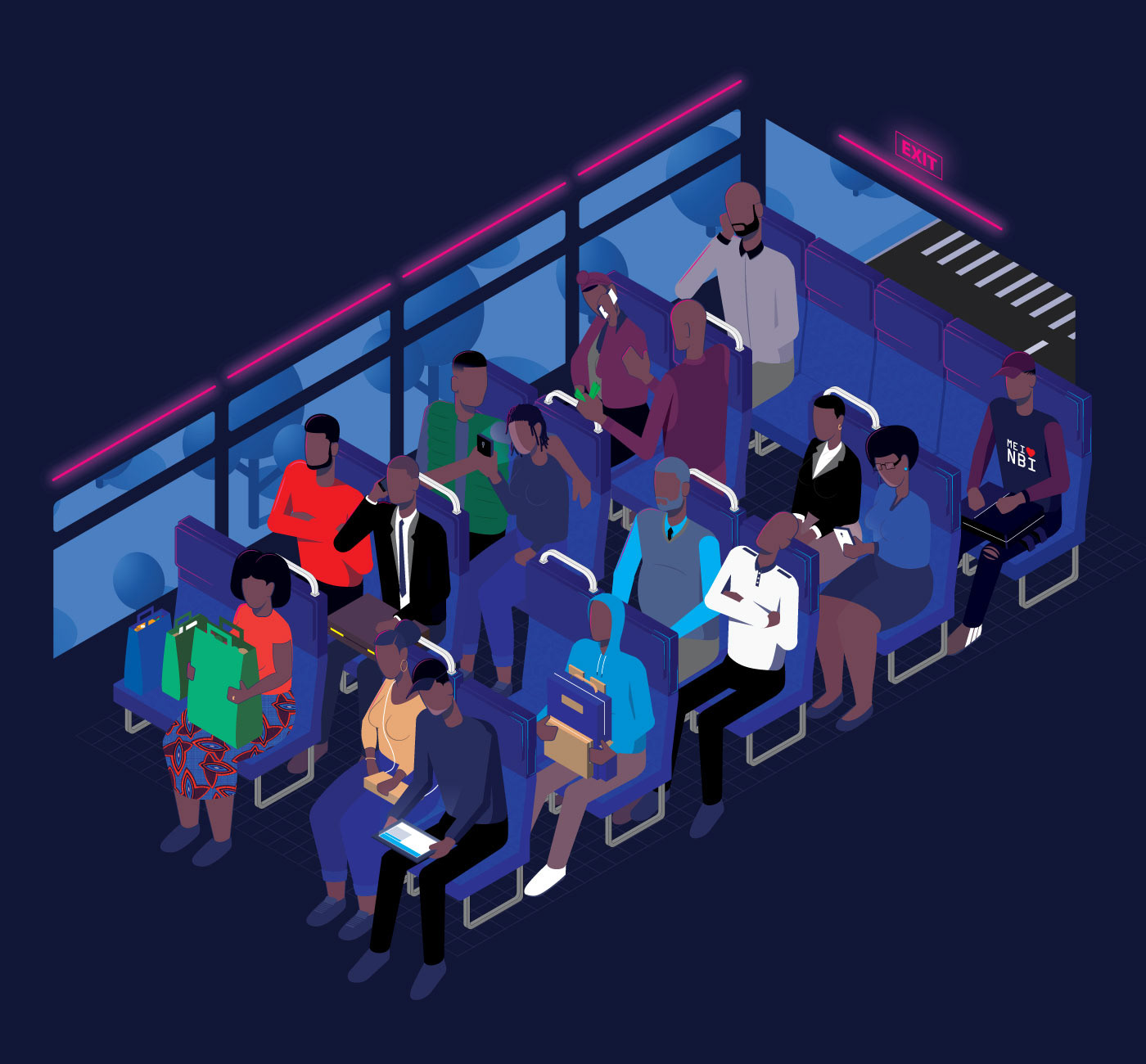
Step inside, and you’re immediately transported. The interior is often as flamboyant as the exterior, with custom leather seats, plasma screens blaring music videos or football matches, and neon lights casting a futuristic glow. The sound system is paramount; booming bass and crystal-clear highs deliver a constant soundtrack of Genge, Kapuka, Gengetone, Bongo Flava, and international hip-hop and R&B. The music isn’t just background noise; it’s an integral part of the matatu’s identity, a pulsating heartbeat that accompanies every lurch, swerve, and stop.
The journey itself is a theatrical performance. At the helm is the driver, often a figure of almost mythical daring, expertly weaving through gridlocked lanes, executing last-minute turns, and defying conventional traffic rules with an audacious confidence. Beside him, or hovering near the sliding door, is the ‘makanga’ – the conductor. The makanga is the matatu’s barker, money collector, and de facto master of ceremonies. With an arm outstretched and a torrent of rapid-fire shouts, they announce destinations, haggle fares, and direct passengers, their energy matching the frenetic pace of the vehicle itself. Their quick wit and ability to manage a full bus, often with humor, are part of the daily spectacle.
But beyond the flashy exteriors and loud music, matatus serve as crucial arteries for Nairobi’s bustling economy and social fabric. They are the primary means of transport for millions of Kenyans, bridging the vast distances between residential areas and the city center, connecting markets, workplaces, and homes. For many, the matatu offers a fleeting moment of connection – a shared laugh over a humorous slogan, a collective groan at a traffic jam, or a brief camaraderie with fellow commuters. It’s a microcosm of Nairobi itself: diverse, resilient, and always on the move.
Of course, the matatu experience is not without its challenges. The aggressive driving style, while efficient in navigating congestion, can sometimes lead to safety concerns. Overloading, speeding, and disregard for traffic regulations have been persistent issues, leading to public outcry and periodic government crackdowns. The noise pollution from their powerful sound systems is also a frequent complaint, particularly in residential areas. Yet, even with these drawbacks, the matatu’s place in the Kenyan psyche remains unshaken.
Economically, the matatu industry is a massive employer and a significant contributor to Kenya’s informal sector. From the drivers and conductors to the mechanics, artists, and sound engineers who customize them, thousands of livelihoods are directly linked to these minibuses. They represent a dynamic, entrepreneurial spirit, constantly evolving to meet passenger demands and stay ahead of the competition, which is fierce on Nairobi’s crowded routes.
In a city that embodies dynamism and relentless progress, the matatu stands as a testament to Nairobi’s unique identity. It’s a raw, unfiltered expression of Kenyan creativity, resilience, and the everyday hustle. So, the next time you find yourself in the bustling heart of East Africa, remember that a matatu ride isn’t just about getting from point A to point B; it’s about experiencing the vibrant soul of Nairobi, one exhilarating, ear-splitting, and utterly unforgettable journey at a time.