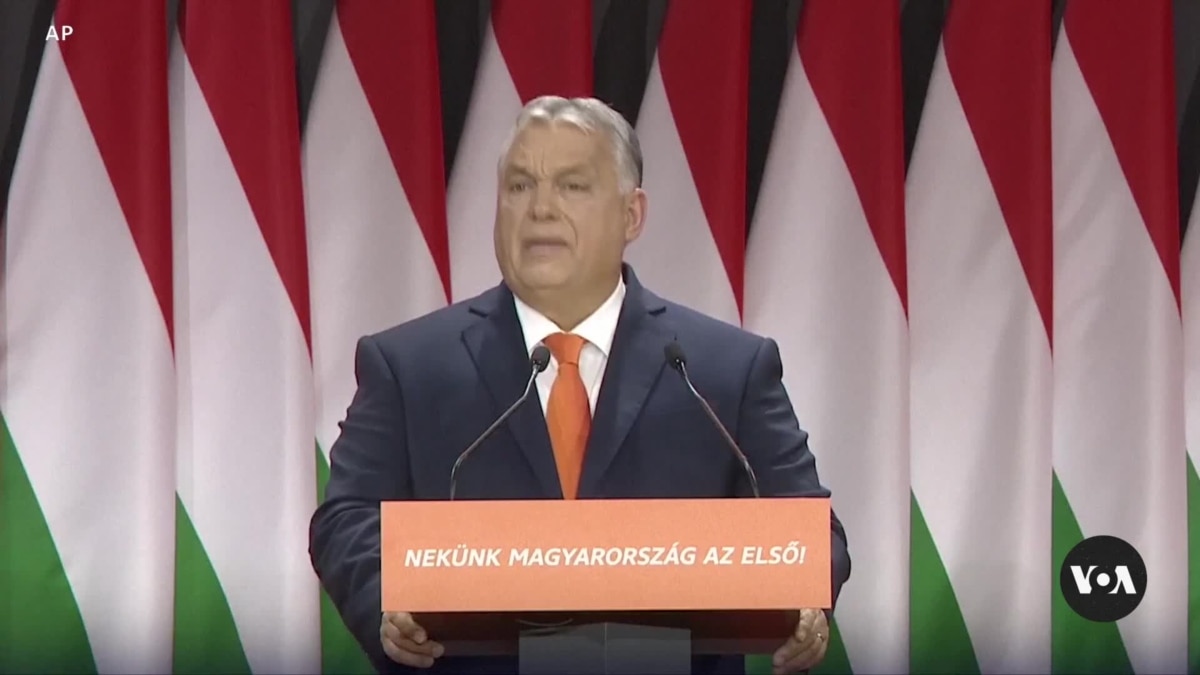
Magyar Urges Orbán to Lift Ukraine Loan Veto Ahead of His Political Departure
BRUSSELS, Belgium – In a dramatic escalation of Hungary’s domestic political ferment and its ongoing standoff with the European Union, Péter Magyar, the charismatic new figure shaking up Hungarian politics, has issued a direct appeal to Prime Minister Viktor Orbán. Magyar has called on Orbán to lift Hungary’s veto on a crucial €50 billion EU aid package for Ukraine, urging the long-serving premier to do so before what Magyar anticipates will be Orbán’s inevitable political exit. The demand, prominently reported by Euronews.com, underscores the growing pressure on Orbán from both internal challengers and international partners regarding his contentious foreign policy stance.
The Rise of Péter Magyar and His Challenge
Péter Magyar, a former insider of the Fidesz establishment and ex-husband of former justice minister Judit Varga, has rapidly emerged as the most significant opposition force in Hungary in recent memory. His sudden entry into the political arena earlier this year, fueled by corruption allegations and a promise to dismantle the ‘mafia state’ he claims Orbán has built, has galvanized a significant segment of the Hungarian electorate. Magyar’s TISZA party has quickly garnered substantial support, posing a credible threat to Orbán’s two-decade dominance, particularly ahead of the upcoming European Parliament and municipal elections.
His latest demand concerning the Ukraine aid package is not merely an act of foreign policy criticism but a strategic move designed to expose what Magyar and his supporters view as the Orbán government’s self-serving and increasingly isolated position on the international stage. By aligning himself with mainstream European policy on Ukraine, Magyar aims to present his movement as a credible, pro-European alternative to Orbán’s often confrontational approach.
The Crucial €50 Billion Ukraine Aid Package
At the heart of Magyar’s appeal is the EU’s proposed €50 billion financial assistance package designed to support Ukraine’s recovery and reconstruction amidst the ongoing war with Russia. This vital aid is crucial for Ukraine’s economic stability and its ability to continue resisting Russian aggression. Hungary, under Prime Minister Orbán, has consistently blocked this package, citing concerns over the misuse of funds, Ukraine’s alleged corruption, and the potential for the aid to prolong the conflict rather than resolve it. Orbán has also frequently linked the approval of Ukraine aid to the release of EU funds frozen for Hungary due to rule-of-law concerns.
Hungary’s repeated vetoes have created significant friction within the EU, threatening bloc unity and drawing sharp criticism from other member states and international allies. The inability to disburse aid to Ukraine not only hampers Kyiv’s war effort but also sends a troubling signal about the EU’s resolve and its capacity for collective action at a critical geopolitical moment. The aid package, initially intended to provide stable, long-term support, has become a recurring point of contention, often requiring last-minute compromises or workarounds.
Orbán’s Stance and International Isolation
Prime Minister Orbán has carved out a unique and often contrarian path within the EU, frequently clashing with Brussels on issues ranging from migration and rule of law to foreign policy. His government maintains a largely ambivalent stance towards the war in Ukraine, advocating for an immediate ceasefire and peace talks while often appearing sympathetic to Russian narratives. This position has increasingly isolated Hungary within the European Union and NATO, with critics accusing Orbán of undermining Western solidarity against Russian aggression.
Orbán’s rationale for blocking the Ukraine aid package is multifaceted. Ostensibly, it revolves around budgetary concerns and a demand for a strategic review of EU support to Ukraine. However, many observers believe it is deeply intertwined with Hungary’s own financial disputes with Brussels, where billions in EU cohesion funds remain frozen due to the European Commission’s concerns about democratic backsliding and corruption in Hungary. Orbán has often used his veto power as leverage in these broader negotiations, a tactic that has frustrated many of his European counterparts.
Magyar’s Strategic Appeal and Domestic Impact
Magyar’s call for Orbán to lift the veto is a shrewd political maneuver. It allows him to present himself as a responsible, pro-European leader who understands Hungary’s place in the international community, in stark contrast to Orbán’s perceived obstructionism. By framing the issue around Orbán’s impending “exit,” Magyar not only expresses confidence in his own political ascendancy but also seeks to delegitimize Orbán’s current decisions as those of a lame-duck leader.
This challenge is particularly potent given the upcoming electoral contests. The European Parliament elections, scheduled for June, will serve as a crucial barometer of political sentiment in Hungary. A strong showing by TISZA could significantly weaken Fidesz’s hold on power and further embolden Magyar’s movement. By tackling a high-profile international issue like Ukraine aid, Magyar is attempting to broaden his appeal beyond domestic grievances, signaling to both Hungarian voters and international partners that his vision for Hungary is one of greater integration and cooperation with the EU.
The Stakes for Hungary and the EU
The implications of Hungary’s continued veto on Ukraine aid are profound. For Ukraine, it means delayed and potentially insufficient support at a time of critical need. For the EU, it represents a crack in its united front against Russian aggression and a challenge to its ability to act decisively on pressing international matters. For Hungary, it risks further deepening its international isolation and could lead to increased pressure from its EU partners, potentially including further sanctions or legal action.
Magyar’s intervention adds another layer of complexity to this already fraught situation. It introduces a powerful domestic voice advocating for a reversal of Orbán’s controversial policy, thereby putting additional pressure on the prime minister. Whether Orbán will yield to this pressure, especially from a rising domestic rival, remains to be seen. Historically, Orbán has demonstrated a high degree of resilience and a willingness to defy both domestic and international critics.
Conclusion: A Critical Juncture
Péter Magyar’s audacious call for Viktor Orbán to lift the veto on Ukraine aid before his “exit” marks a critical juncture in Hungarian politics and its relationship with the European Union. It highlights the growing internal dissent against Orbán’s idiosyncratic foreign policy and his confrontational stance towards Brussels. As Hungary approaches crucial elections, the debate over Ukraine aid has become a proxy battle for the nation’s future direction – whether it will continue on a path of increasing isolation or re-engage more fully with its European partners. The coming weeks will reveal if Magyar’s challenge can genuinely sway Orbán, or if the Hungarian Prime Minister will once again defy expectations and maintain his controversial course.