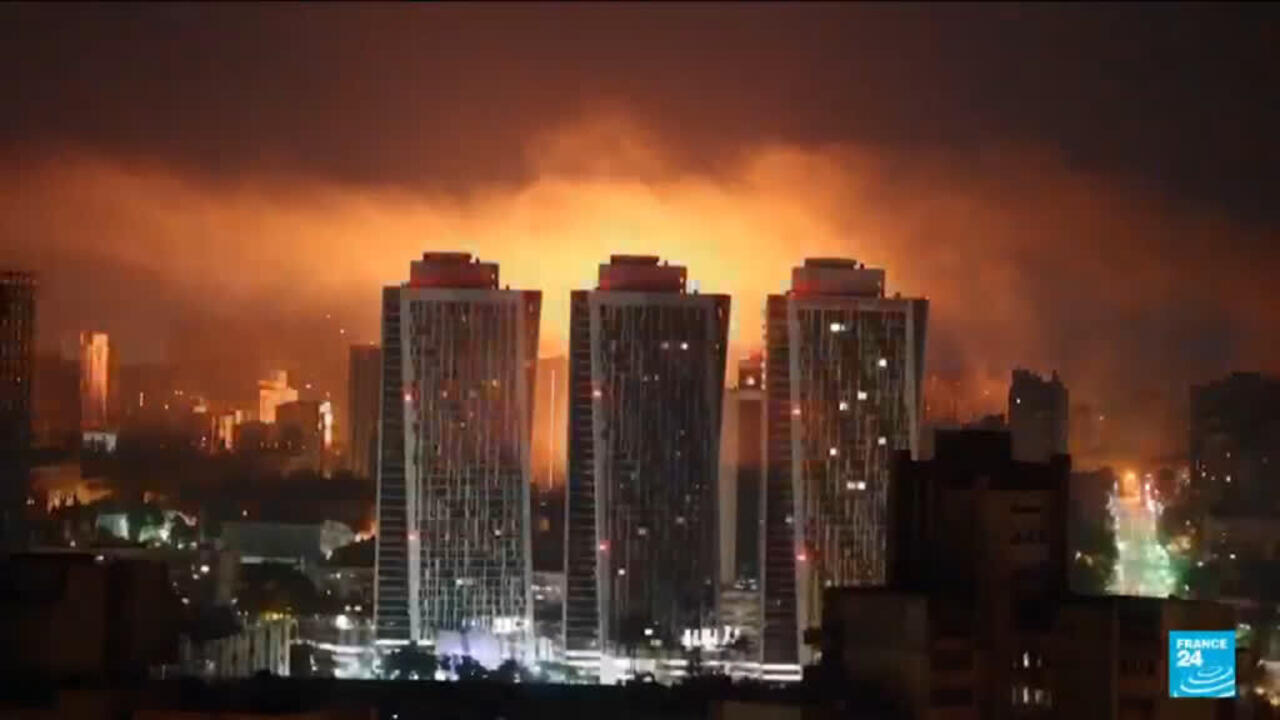
Anniversary of Disaster: At Least 16 Killed in Escalating Cross-Border Strikes
On a day intended for the somber remembrance of the world’s worst nuclear disaster, the 38th anniversary of the Chernobyl catastrophe was instead marked by a fresh wave of violence and bloodshed. At least 16 people have been confirmed dead following a series of intensifying missile and drone strikes exchanged between Ukraine and Russia. The timing of the escalation serves as a harrowing reminder of the fragile security environment in Eastern Europe, as the specter of nuclear anxiety once again looms over the region.
A Grim Tally: The Human Cost of the Latest Strikes
Reports from local officials and emergency services on both sides of the border paint a devastating picture of the last 24 hours. In Ukraine, the strikes targeted various administrative and residential hubs, stretching from the eastern frontlines to central cities. In the Dnipropetrovsk region, rescue workers spent hours digging through the rubble of an apartment complex after a Russian missile tore through the structure in the early morning hours. According to Ukrainian authorities, several civilians, including a young child, were among the deceased in that region alone.
Conversely, the Russian border region of Belgorod faced its own share of the carnage. Local governors reported that Ukrainian shelling and drone incursions resulted in the deaths of at least four civilians. Residential homes were reportedly set ablaze, and infrastructure damage has left several villages without power. The Kremlin has characterized these attacks as “terrorist acts,” while Kyiv maintains its strikes are legitimate military responses aimed at disrupting the logistics and launch sites used to bombard Ukrainian soil.
The Shadow of Chernobyl: Nuclear Concerns Resurface
The significance of the date—April 26—cannot be overstated. Thirty-eight years ago, the Chernobyl Nuclear Power Plant became the site of a meltdown that redefined global perspectives on nuclear energy and safety. Today, the rhetoric surrounding the conflict has once again placed nuclear facilities at the center of international concern. President Volodymyr Zelenskyy, in a televised address marking the anniversary, drew a direct parallel between the 1986 disaster and the current Russian occupation of the Zaporizhzhia Nuclear Power Plant (ZNPP).
“Russia has turned the ZNPP into a hostage for its geopolitical blackmail,” Zelenskyy stated. He warned that the ongoing strikes near energy infrastructure could lead to a catastrophe that would dwarf the 1986 event. The International Atomic Energy Agency (IAEA) has repeatedly expressed alarm over the shelling near the plant, urging both sides to establish a demilitarized zone. However, with the frontlines remaining fluid and the exchange of fire showing no signs of slowing, those calls for restraint have largely gone unheeded.
Geopolitical Implications and Western Aid
The latest surge in violence comes at a critical juncture for Ukraine. Following months of legislative gridlock, the United States recently approved a massive $61 billion military aid package. Military analysts suggest that Russia is currently attempting to capitalize on a “window of opportunity” before the full weight of Western munitions, particularly long-range artillery and air defense systems, reaches the Ukrainian frontlines.
The intensity of the Russian strikes is seen by many as an attempt to overwhelm Ukraine’s depleted air defense reserves. By targeting civilian infrastructure and urban centers, Moscow continues to exert psychological pressure on the Ukrainian populace. Meanwhile, Ukraine’s ability to strike back within Russian territory marks a shift in their strategy, aiming to bring the reality of the war closer to the Russian public and degrade the military assets located just across the border.
Emergency Responses and the Humanitarian Crisis
As the death toll rises, humanitarian organizations are struggling to keep up with the demand for emergency services. In Kharkiv, a city that has faced near-constant bombardment in recent weeks, the medical infrastructure is stretched to its breaking point. Hospitals are reporting a surge in trauma cases, many of which involve severe shrapnel wounds and psychological distress among children.
On the Russian side, the evacuation of border towns has become a more frequent necessity. Thousands of Russian citizens have been displaced from their homes in Belgorod and Kursk, seeking refuge in makeshift shelters further inland. The psychological toll on both populations is immense, as the war of attrition shows no clear path toward a diplomatic resolution. The anniversary of Chernobyl, which should have been a day to reflect on the lessons of history, has instead become a testament to the repetitive nature of human conflict.
Conclusion: A Region on Edge
As night falls on the 38th anniversary of the Chernobyl disaster, the air raid sirens continue to wail across Ukraine, and the smoke still rises from the border villages of Russia. With at least 16 families now mourning the loss of their loved ones, the international community remains divided on how to de-escalate the situation. The convergence of historical trauma and modern warfare creates a volatile atmosphere where every strike carries the potential for catastrophic consequences.
The world watches with bated breath, hoping that the lessons learned from the glowing ruins of Chernobyl in 1986 are not forgotten in the heat of 2024. For now, the focus remains on the survivors and the responders working tirelessly amidst the debris, as the toll of the conflict continues to climb with each passing hour.