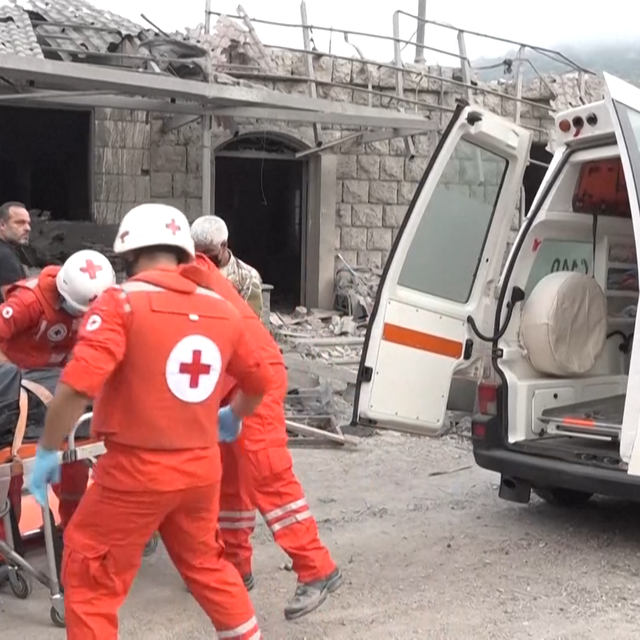
BEIRUT, LEBANON –
Israel Accused of Escalating ‘Quadruple Tap’ Attacks on Lebanese Medics, Drawing Global Outcry
A disturbing pattern of Israeli military strikes targeting medical personnel and emergency responders in southern Lebanon has been highlighted in a recent investigation, alleging the use of a deadly ‘quadruple tap’ strategy. The revelations, initially brought to wider attention by reports from organisations like The Guardian, describe a tactic designed not only to inflict initial damage but also to specifically target those arriving to aid the wounded, drawing fierce condemnation from international humanitarian bodies and human rights advocates.
Understanding the ‘Quadruple Tap’
The ‘quadruple tap’ refers to a series of successive attacks in the same location, typically beginning with an initial strike. Crucially, it involves a calculated delay before a second, often more powerful, strike is launched. This pause is designed to allow emergency services, paramedics, and first responders to arrive at the scene to assist victims. The subsequent strikes then deliberately target these rescuers, compounding casualties and amplifying terror. Human rights groups argue that such a tactic is not merely collateral damage but a systematic targeting of non-combatants explicitly protected under international law.
Devastating Impact on Frontline Responders
Accounts from within Lebanon paint a grim picture for those dedicated to saving lives. One harrowing incident, widely cited by emergency aid workers, occurred near the border town of Khiam. After an initial Israeli drone strike hit a residential area, local ambulance services rushed to the scene. Among them was a team from the Lebanese Civil Defence, including 32-year-old paramedic Khalil Sayed. According to survivor testimonies, as Sayed and his colleagues were tending to the wounded amidst the rubble, a second, more powerful missile struck the precise location where they were operating. The explosion killed Sayed instantly and severely wounded two other paramedics, debilitating their response vehicle.
“We are not combatants; we wear clear identification, our vehicles are marked with the emblem of humanity,” stated Dr. Fatima Al-Hassan, head of an emergency medical unit operating in southern Lebanon. “Yet, we are increasingly becoming targets. This isn’t an accident; it’s a deliberate strategy that chills us to the bone. How can we respond when responding means signing our own death warrant?” She added that the fear of a ‘quadruple tap’ has forced her teams to adopt agonizing delays in their response times, knowing that immediate arrival could prove fatal, thereby costing more civilian lives.
Blatant Violation of International Humanitarian Law
International humanitarian law (IHL), codified in the Geneva Conventions and their Additional Protocols, unequivocally protects medical personnel, facilities, and transport in armed conflicts. Emblems such as the Red Cross and Red Crescent are universally recognized symbols of neutrality and protection. Attacks on medical workers, whether intentional or indiscriminate, are grave breaches of IHL and may constitute war crimes. The alleged ‘quadruple tap’ strategy stands in direct contravention of these fundamental principles, as it purposefully targets individuals whose sole mission is to provide humanitarian aid.
“The deliberate targeting of medical personnel and facilities is a war crime, plain and simple,” asserted a spokesperson for Amnesty International. “When strikes are designed to lure and then eliminate first responders, it represents a horrifying descent into inhumanity. The international community must not stand by while these fundamental protections are eroded.”
Mounting International Condemnation and Calls for Investigation
The allegations have sparked widespread condemnation from various international bodies and human rights organizations. The United Nations has called for thorough and independent investigations into all reported incidents of harm to medical personnel in Lebanon, emphasizing the imperative to uphold the neutrality of healthcare. The International Committee of the Red Cross (ICRC) has reiterated its plea for all parties to the conflict to respect and protect medical services, without which the humanitarian crisis would only deepen further.
While Israel consistently maintains that it targets only legitimate military objectives and takes precautions to avoid civilian casualties, these claims are often met with skepticism by human rights watchdogs who point to mounting evidence of widespread civilian harm and specific allegations against protected persons and infrastructure. The Israeli military has yet to provide specific public responses to the ‘quadruple tap’ allegations in Lebanon, often attributing such incidents to the complexities of urban warfare or the alleged misuse of civilian infrastructure by Hezbollah.
Broader Regional Context and Future Implications
The escalation of hostilities in southern Lebanon is intrinsically linked to the ongoing conflict in Gaza and the broader regional tensions. As exchanges between Israeli forces and Hezbollah intensify, the civilian population, including critical medical service providers, finds itself increasingly caught in the crossfire. The alleged use of such tactics not only devastates local communities but also sends a chilling message to humanitarian actors globally, potentially deterring vital aid efforts in other conflict zones.
The grave accusations of ‘quadruple tap’ attacks against Lebanese medics necessitate urgent and robust international action. Upholding the sanctity of medical missions and ensuring accountability for violations of international humanitarian law are paramount to preserving the humanitarian space and preventing further loss of innocent lives in an already ravaged region. The international community faces a critical test in holding perpetrators accountable and reaffirming the non-negotiable protections afforded to those who heal amidst the horrors of war.
Reporting based on investigations by The Guardian and other human rights organizations.