Trump Announces Seizure of Iranian Ship Attempting to Evade Strait of Hormuz Blockade, Escalating Tensions
WASHINGTON D.C. – President Donald Trump announced today that the United States had successfully seized an Iranian vessel attempting to circumvent international sanctions and a strategic blockade in the Strait of Hormuz. The incident, first reported by The Washington Post, marks a significant escalation in the ongoing standoff between Washington and Tehran, underscoring the volatile nature of maritime security in the critical waterway.
A Backdrop of Heightened U.S.-Iran Tensions
The seizure unfolds against a backdrop of deeply strained U.S.-Iran relations, exacerbated by Trump’s 2018 withdrawal from the Joint Comprehensive Plan of Action (JCPOA), commonly known as the Iran nuclear deal. Since then, the U.S. has reimposed and expanded a robust sanctions regime aimed at crippling Iran’s oil exports and revenue, accusing Tehran of destabilizing activities in the Middle East, including its nuclear program, missile development, and support for regional proxies. Iran, in turn, views the sanctions as economic warfare and a violation of international law, vowing to resist what it calls American bullying. This latest action demonstrates a heightened resolve by the U.S. to enforce these sanctions through direct intervention.
The Strait of Hormuz: A Global Chokepoint Under Scrutiny
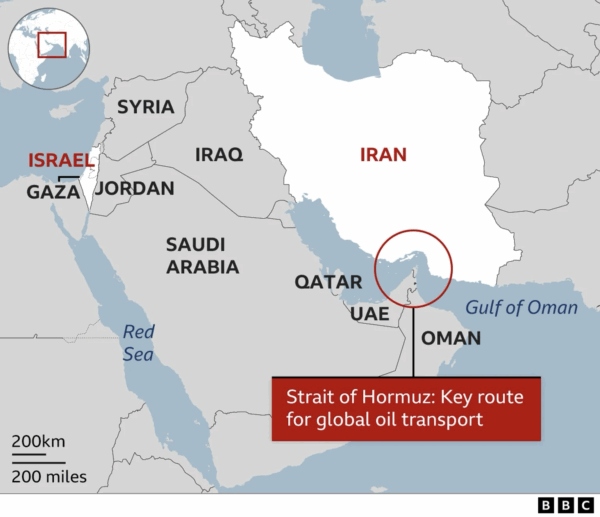
The Strait of Hormuz, a narrow passage between the Persian Gulf and the Arabian Sea, is arguably the world’s most vital oil chokepoint. Approximately one-fifth of global oil consumption, or about 21 million barrels per day, passes through this waterway. Its strategic importance makes it a frequent flashpoint for regional tensions, with past incidents involving tanker attacks, drone shoot-downs, and naval confrontations. Any disruption in the Strait has immediate and profound implications for global energy markets and international trade. The U.S. maintains a significant naval presence in the region, primarily through the U.S. Fifth Fleet headquartered in Bahrain, tasked with ensuring freedom of navigation and deterring Iranian aggression. The presence of these forces underscores the strategic commitment to keeping the Strait open and secure.
Details Emerge on the Interception
While specific details about the seized vessel and the precise timing of the operation remain somewhat guarded, President Trump’s statement indicated that the ship was attempting to transport illicit oil, thereby violating the stringent sanctions imposed on Iran. Sources familiar with the operation, speaking anonymously due to the sensitivity of the mission, suggested the vessel was an oil tanker attempting to use deceptive practices to bypass monitoring systems and deliver its cargo to an undisclosed destination. U.S. naval assets, likely supported by advanced intelligence surveillance, intercepted the ship in international waters, subsequently boarding and diverting it to a nearby port for further inspection. The administration emphasized that the action was a direct enforcement of existing sanctions and a clear message against illicit trade designed to fund Iran’s destabilizing activities.
Trump’s Stance: Enforcement and Warning
In his remarks, President Trump reiterated his administration’s unwavering commitment to its “maximum pressure” campaign against Iran. He stated that the seizure was a necessary measure to prevent Tehran from funding its nuclear ambitions and its regional proxy forces. “We will not allow Iran to openly defy international law and use these illicit revenues to sow chaos,” Trump declared during a press briefing. He further warned other nations and shipping entities against engaging in trade that directly benefits the Iranian regime, promising severe consequences for any party found to be complicit in sanction evasion schemes. This move signals an intensification of the U.S. strategy, moving beyond rhetoric to direct interdiction as a primary tool of foreign policy.
Anticipated Iranian Response and Regional Implications
The Iranian government has yet to issue a comprehensive official response, but analysts anticipate a strong condemnation. Tehran is likely to denounce the seizure as an act of piracy, a violation of international maritime law, and an unwarranted aggression against its sovereignty and economic rights. Historically, Iran has responded to perceived provocations by threatening to close the Strait of Hormuz, though such actions would have devastating global economic repercussions and likely invite military confrontation. It is also plausible that Iran might seek to retaliate through proxy forces in the region or by harassing other commercial vessels, further elevating the risk of a wider conflict. Foreign Minister Javad Zarif has consistently criticized U.S. sanctions as “economic terrorism,” and this incident will undoubtedly fuel those claims, potentially hardening Iran’s negotiating position.
International Reactions and Expert Analysis
The seizure immediately sparked concerns across the international community. Shipping companies and insurers will likely reassess risks for vessels transiting the Strait, potentially leading to increased freight costs and insurance premiums, further straining global supply chains. Allies of the U.S. who have advocated for de-escalation and diplomatic solutions, particularly European nations, might express apprehension that this aggressive enforcement action could torpedo any lingering hopes for dialogue or a return to the nuclear deal. China and Russia, both of whom oppose the U.S. sanctions regime and have maintained trade ties with Iran, are expected to criticize the move, viewing it as unilateral American overreach and a destabilizing act. The incident also puts a spotlight on the effectiveness and legality of unilateral sanctions enforcement in international waters, a complex area of international law.
Maritime security experts and foreign policy analysts view this seizure as a calculated risk by the Trump administration. “This isn’t just about intercepting a single ship; it’s about projecting resolve and demonstrating the tangible costs of defying U.S. sanctions,” stated Dr. Sarah Jenkins, a Middle East policy expert at the Royal United Services Institute. “However, it also dramatically raises the stakes, narrowing the already limited pathways for diplomatic engagement and increasing the chances of miscalculation in an already tense region.” Others point out the challenges of maintaining a complete “blockade” in such a busy waterway, noting that Iran has historically employed various methods to evade sanctions, from ship-to-ship transfers to changing vessel flags. The success of this operation highlights advanced U.S. intelligence capabilities but also underscores the persistent cat-and-mouse game in the region.
Conclusion: A Critical Juncture in U.S.-Iran Relations
The seizure of an Iranian vessel in the Strait of Hormuz, as announced by President Trump, marks a critical juncture in U.S.-Iran relations. While framed by Washington as a legitimate enforcement of international sanctions and a necessary step to curb Iran’s illicit activities, Tehran is almost certain to view it as an act of aggression. The incident threatens to further destabilize an already volatile region, elevating the risk of direct confrontation and underscoring the fragility of maritime security in one of the world’s most important trade arteries. As the international community watches nervously, the immediate aftermath of this seizure will be crucial in determining the next phase of the enduring U.S.-Iran standoff, with potential repercussions for global energy markets and regional stability.