Strait of Hormuz Ablaze: Iranian Attacks Spark U.S. Troop Surge Amid Escalating Tensions
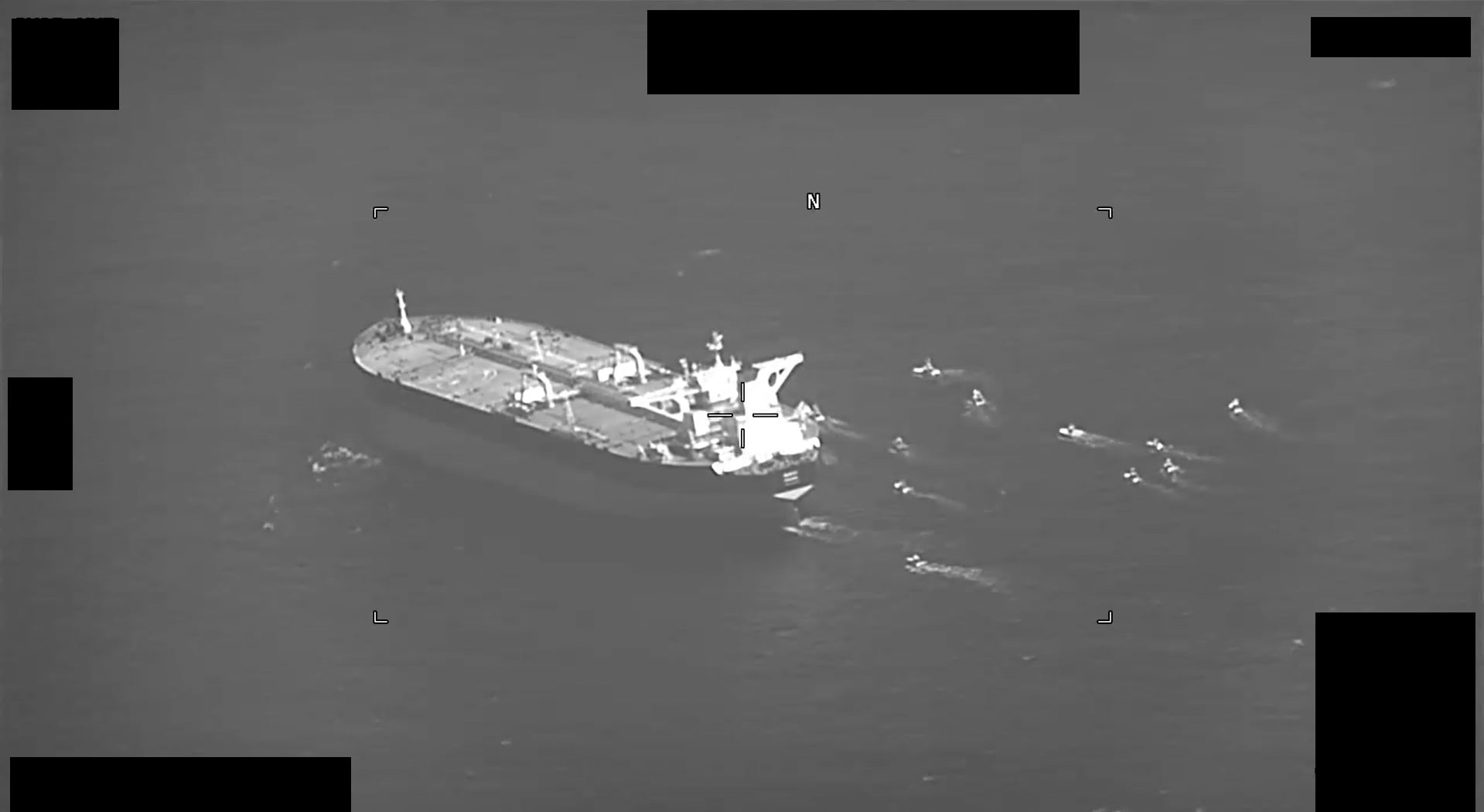
In a dramatic escalation of long-simmering regional tensions, Iranian naval forces have reportedly launched a series of aggressive actions against commercial shipping in the critical Strait of Hormuz, prompting an immediate and significant military response from the United States. Reports emerging over the past 24-48 hours indicate multiple incidents involving Iranian vessels targeting and harassing international tankers and cargo ships transiting the vital waterway. This dangerous development comes concurrently with the U.S. Department of Defense announcing the deployment of thousands more American forces to the Middle East, a move explicitly aimed at deterring further Iranian aggression and safeguarding maritime freedom of navigation in one of the world’s most crucial oil chokepoints. The confluence of these events has sent shockwaves through global markets and raised alarm bells internationally, underscoring the volatile nature of the Persian Gulf region.
The Provocation: Attacks in the Strait
Details of the Incidents
Multiple maritime security alerts and intelligence reports confirm that Iranian Revolutionary Guard Corps (IRGC) Navy vessels have engaged in what appear to be coordinated acts of aggression. Initial reports suggest at least three separate incidents over a period of 36 hours. One significant event involved Iranian fast boats attempting to board a chemical tanker flagged under Liberia, firing warning shots across its bow before being repelled by a nearby coalition naval asset. Another incident saw an Iranian drone harassing a bulk carrier, flying dangerously close and disrupting its navigation. While no major casualties or significant damage have been confirmed at the time of reporting, the intent to disrupt and intimidate appears clear. International maritime organizations have issued advisories, warning all vessels transiting the Strait to exercise extreme caution and maintain vigilance.
International Condemnation and Calls for De-escalation
The international community has reacted swiftly, with widespread condemnation of Iran’s actions. The United Nations Secretary-General has called for immediate de-escalation and respect for international maritime law. Key allies of the United States, including the United Kingdom, France, and Germany, have issued statements urging Iran to cease its provocative behavior, emphasizing the global economic ramifications of instability in the Strait of Hormuz. Energy markets have already shown signs of volatility, with crude oil prices seeing a notable uptick amidst fears of supply disruption.
U.S. Countermove: Thousands More Forces Deployed
Scope and Objective of the Deployment
In response to the escalating threats, the Pentagon has confirmed the rapid deployment of thousands of additional U.S. military personnel and assets to the Middle East. This deployment reportedly includes an aircraft carrier strike group, an Amphibious Ready Group with an embarked Marine Expeditionary Unit, and a significant contingent of F-16 and F-35 fighter jets, alongside air defense systems. A senior defense official, speaking on condition of anonymity, stated that the move is a “prudent and necessary measure to reinforce deterrence, protect U.S. interests, and ensure the free flow of commerce in the region.” The explicit aim is to present a credible force capable of responding to any further Iranian aggression and reassuring regional partners of America’s commitment to security.
Reinforcing Regional Presence
This latest surge in forces builds upon an already substantial U.S. military footprint in the Middle East. The additional deployments will augment existing naval, air, and ground forces stationed across countries like Bahrain, Qatar, Kuwait, and the UAE. Analysts suggest that the rapid nature of the deployment underscores the urgency with which Washington views the situation, seeking to send an unequivocal message to Tehran that maritime pathways will remain open and safe for international shipping.
Context and Background: A History of Volatility
The Strait of Hormuz, a narrow maritime chokepoint between the Persian Gulf and the Gulf of Oman, is globally significant. Approximately 20% of the world’s total petroleum liquids consumption and a third of the world’s liquefied natural gas (LNG) transits through this 21-mile-wide passage daily. For decades, it has been a flashpoint in the tumultuous relationship between Iran and the West.
Iran has repeatedly threatened to close the Strait in response to sanctions or military pressure, viewing it as a strategic leverage point. The current escalation fits a pattern of past incidents, including the alleged attacks on oil tankers in 2019, the seizure of foreign-flagged vessels, and frequent harassment of U.S. naval ships. The collapse of the 2015 Iran nuclear deal (JCPOA) and subsequent U.S. sanctions have further exacerbated economic pressures on Tehran, which often responds with actions designed to demonstrate its regional power and capacity to disrupt global energy supplies. The U.S., for its part, maintains a robust military presence in the region precisely to counter such threats and uphold international maritime law.
Conclusion: A Precarious Future Outlook
The current situation in the Strait of Hormuz represents a dangerous inflection point. While the U.S. deployment aims to deter, it also inherently raises the stakes, increasing the potential for miscalculation or unintended confrontation between Iranian and American forces. The immediate future will likely see heightened vigilance from international navies and continued diplomatic efforts to de-escalate, although past experience suggests that breakthroughs are difficult to achieve. The global economy, particularly energy markets, remains highly sensitive to any further disruptions in this vital waterway. The world watches with bated breath as the two nations navigate this latest, perilous chapter in their protracted rivalry, with the freedom of global commerce hanging in the balance.