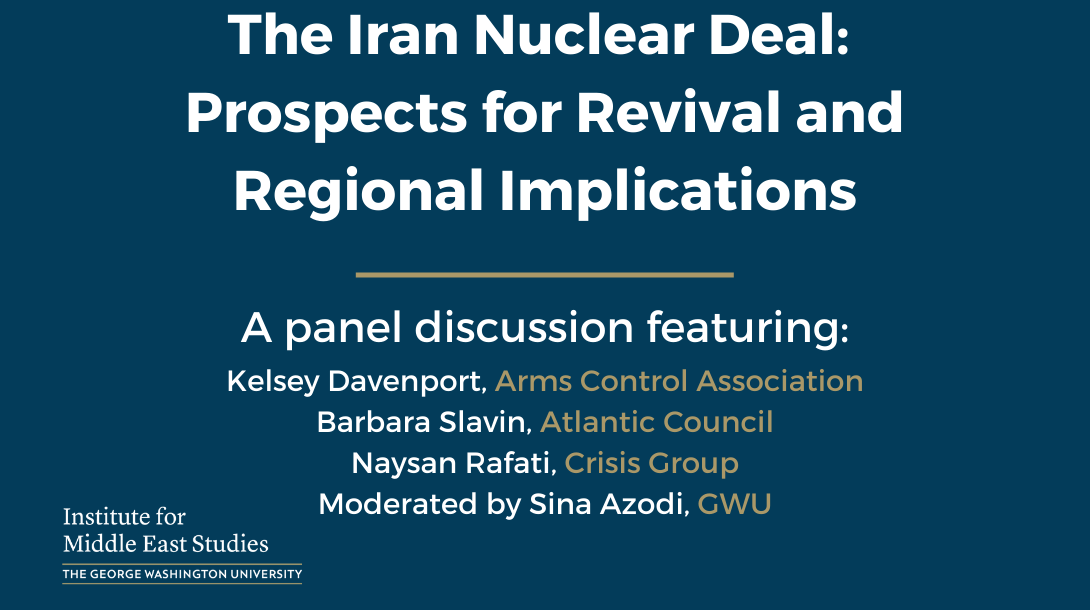
Iran Seeks Hormuz De-escalation Deal in Exchange for Nuclear Dialogue Delay; Nuclear Talks Sidelined
Tehran/Washington — In a significant shift of diplomatic strategy that has sent ripples through global energy markets and foreign ministries, Iran has reportedly proposed a deal aimed at easing tensions in the Strait of Hormuz. According to a recent report by the Wall Street Journal, Iranian officials are signaling a willingness to lift what has been described as a “shadow blockade” and decrease maritime provocations in the vital waterway. In exchange, Tehran is seeking a diplomatic arrangement that would effectively postpone or freeze the current trajectory of nuclear negotiations, providing the Islamic Republic with much-needed economic breathing room while avoiding the immediate pressure of renewed international sanctions.
A Strategic Shift in Tehran’s Maritime Policy
The Strait of Hormuz, a narrow passage between the Persian Gulf and the Gulf of Oman, is arguably the world’s most important oil chokepoint. Approximately one-fifth of the world’s total oil consumption passes through this corridor daily. For years, Iran has utilized its influence over the Strait as a lever of geopolitical pressure, often threatening to disrupt shipping in response to Western sanctions or military posturing. However, the latest reports suggest that the cost of maintaining this high-tension environment may finally be outweighing the benefits for the Iranian leadership.
The proposed deal, as outlined by sources familiar with the matter, involves a formal commitment from Iran to ensure the safe passage of commercial vessels and a cessation of the seizure of foreign-flagged tankers. In return, Iran expects a de-facto recognition of its current maritime presence and a reciprocal reduction in the naval footprint of Western powers in the region. Most notably, the deal includes a provision to delay the resumption of stalled nuclear talks, which have been on life support since the collapse of the JCPOA (Joint Comprehensive Plan of Action) framework.
The Nuclear Link: Postponement as a Diplomatic Tool
The most controversial aspect of the reported proposal is the direct linkage between maritime security and the nuclear file. For the Biden administration and European signatories, the nuclear program has always been the primary concern. Iran’s enrichment of uranium to near-weapons-grade levels has brought the region to the brink of a major conflict several times in the past year. By offering a “Hormuz for Time” trade, Tehran appears to be betting that Western powers value immediate energy stability over long-term nuclear non-proliferation guarantees.
Analysts suggest that Iran’s desire to postpone nuclear talks is a tactical move. With domestic economic pressure mounting and the threat of a wider regional war looming, the Iranian government seeks to avoid a “snapback” of UN sanctions that would occur if nuclear talks were declared a total failure. By shifting the focus to maritime safety—a topic where both sides have a clear interest in stability—Tehran buys itself months, perhaps years, to stabilize its internal affairs while maintaining its current nuclear threshold status.
Geopolitical Reactions and the Role of Global Powers
The reaction from the international community has been a mix of cautious optimism and deep skepticism. In Washington, the proposal is viewed through a lens of extreme caution. While the White House is keen to keep oil prices stable—especially during an election year—officials are wary of any deal that ignores the accelerating centrifuges in Natanz and Fordow. “A deal that secures the Strait but allows a nuclear weapon to be built in the shadows is no deal at all,” a senior State Department official remarked off-the-record.
Conversely, regional players like the United Arab Emirates and Saudi Arabia, who have recently engaged in their own de-escalation efforts with Tehran, may see the proposal as a positive step toward regional normalization. For these Gulf nations, the security of shipping lanes is an existential priority. Meanwhile, China and India, both major importers of Iranian and regional crude, have reportedly been pressuring Tehran to lower the temperature in the Gulf to protect their economic interests.
Economic Implications: Oil Markets and Shipping Insurance
The mere rumor of a Hormuz deal has already impacted global oil benchmarks. Brent crude, which has been trading with a “war premium” due to Middle East instability, saw a slight cooling as traders processed the possibility of a more stable Gulf. Beyond the price per barrel, the shipping industry stands to gain significantly. Insurance premiums for vessels navigating the Persian Gulf have skyrocketed over the last 24 months, with some companies refusing to cover transit through the Strait altogether. A formalized de-escalation would likely lead to a reduction in these costs, facilitating smoother global trade and lower transportation overheads.
The Path Ahead: Risks of a “Frozen” Conflict
While the proposal offers a temporary reprieve, critics argue it creates a dangerous precedent. By decoupling the nuclear issue from regional security, the international community may be granting Iran a permanent status as a “threshold” nuclear state in exchange for a temporary peace at sea. Furthermore, the Iranian Revolutionary Guard Corps (IRGC), which controls much of the maritime operations, may not be entirely aligned with the diplomatic wing of the Iranian government, leading to fears that any agreement could be undermined by hardline factions on the ground.
As the Wall Street Journal reports, negotiations are still in the early, informal stages. The coming weeks will be crucial as intermediaries from Oman and Qatar continue to shuttle messages between Tehran and Washington. Whether this leads to a landmark maritime treaty or is simply another chapter in the long-running shadow war remains to be seen. For now, the world watches the Strait of Hormuz with bated breath, hoping that the flow of oil—and diplomacy—remains uninterrupted.