Iran Moves Seized Ships to Port Amid Global Concern for Seafarers’ Safety
TEHRAN/INTERNATIONAL WATERS – April 20, 2024
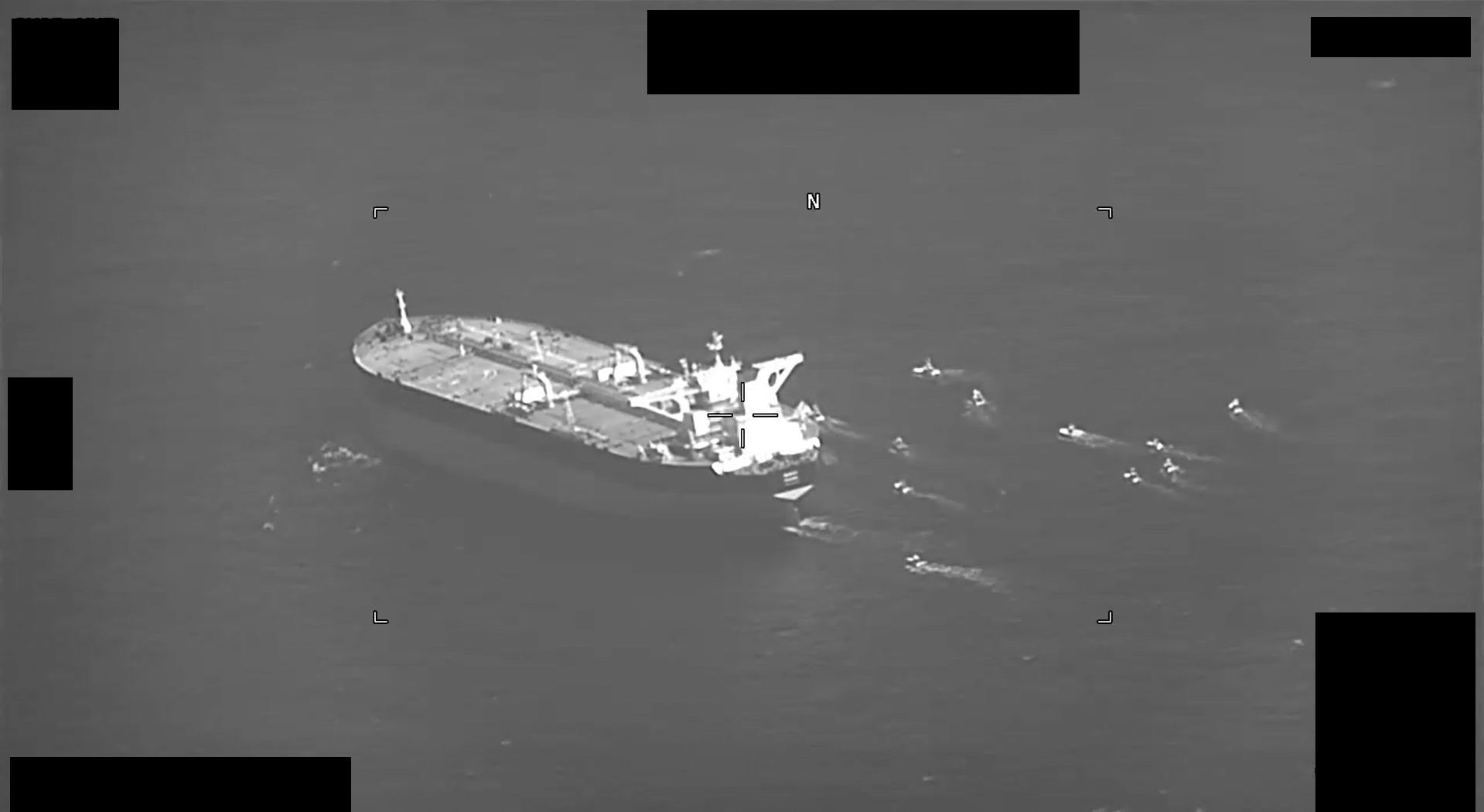
Iran has confirmed that vessels recently seized in the Strait of Hormuz and Gulf of Oman have been taken to port, with authorities initiating judicial proceedings. The move has triggered a wave of international concern, as numerous nations scramble to ascertain the safety and well-being of their citizens onboard the captured ships and facilitate their swift release. The escalating maritime tensions in the vital shipping lanes underscore the fragile geopolitical landscape of the Middle East, drawing sharp condemnation from global powers and urgent calls for de-escalation.
The Seizures: Details and Justifications
The most prominent incident involved the container ship MSC Aries, which was seized by Iran’s Islamic Revolutionary Guard Corps (IRGC) on April 13, 2024, in the Strait of Hormuz. The vessel, flying a Portuguese flag, is associated with Zodiac Maritime, a company part of Israeli billionaire Eyal Ofer’s Zodiac Group. Iranian state media reported that the IRGC navy boarded the ship via helicopter, citing violations of maritime law. Iran’s Foreign Ministry spokesperson, Nasser Kanaani, later stated that the seizure was due to the vessel’s alleged violation of international maritime regulations and its links to Israel, asserting that Tehran acts in accordance with international law to ensure security in the Strait of Hormuz, a critical choke point for global oil supplies.
While the MSC Aries drew immediate international attention, Iran has a history of seizing or harassing commercial vessels in the region, often in retaliation for Western sanctions or in response to perceived threats. These actions consistently raise alarms about the freedom of navigation and the safety of global trade, particularly in a region already grappling with heightened tensions from other conflicts.
International Outcry and Diplomatic Efforts
The seizures have prompted swift and forceful reactions from governments worldwide. The United States, a close ally of Israel and a significant naval presence in the Gulf, condemned the act as an ‘act of piracy’ and called for the immediate release of the ship and its crew. The European Union echoed these sentiments, urging Iran to respect international law and cease actions that destabilize regional security. António Guterres, the UN Secretary-General, also expressed concern, emphasizing the importance of upholding the principles of freedom of navigation.
Diplomatic channels have been activated across multiple capitals. Portugal, as the flag state of the MSC Aries, has called on Iran to clarify the situation and facilitate consular access to the crew. The United Kingdom, Germany, and France have all issued statements urging Iran to exercise restraint and de-escalate tensions. The broader international community views these seizures not merely as isolated incidents but as part of a worrying pattern that jeopardizes one of the world’s most crucial maritime arteries.
Focus on Seafarers’ Well-being
Paramount among the concerns is the safety and well-being of the seafarers. The MSC Aries was reportedly carrying 25 crew members of various nationalities, including Indian, Filipino, Pakistani, Russian, and Estonian citizens. Their respective governments have initiated urgent diplomatic efforts to establish contact with their nationals and secure their release. India’s External Affairs Ministry, for instance, confirmed that 17 of its citizens were onboard and stated it was in touch with Iranian authorities to ensure their safety and early repatriation. Similarly, the Philippines Department of Foreign Affairs has confirmed its nationals are among the crew and is actively working through diplomatic channels to secure their release and ensure their welfare.
Families of the seafarers remain in anguish, awaiting updates and praying for their safe return. International maritime organizations and unions have also voiced their deep concern, emphasizing the humanitarian aspect of such seizures and calling for the protection of innocent seafarers who are simply performing their duties to keep global trade moving.
Regional Geopolitical Context
These maritime incidents are unfolding against a backdrop of severe regional instability, largely exacerbated by the ongoing conflict in Gaza and the subsequent rise in tensions between Iran and Israel. The seizure of the MSC Aries occurred just days after a suspected Israeli strike on an Iranian consulate in Damascus and an Iranian retaliatory missile and drone attack on Israel. This tit-for-tat escalation has brought the two regional adversaries to the brink of wider conflict, with maritime zones becoming a flashpoint.
Additionally, the Red Sea crisis, driven by Houthi attacks on commercial shipping in solidarity with Palestinians, has already forced many vessels to reroute, driving up shipping costs and insurance premiums. The expansion of such disruptions to the Strait of Hormuz could have profound global economic consequences, impacting energy prices and supply chains worldwide.
Economic Implications and Future Outlook
The Strait of Hormuz is a gateway for approximately one-fifth of the world’s total oil consumption and a significant amount of liquefied natural gas. Any prolonged disruption or increase in perceived risk in this area can trigger significant fluctuations in global energy markets and insurance rates for maritime shipping. Shipowners and operators face agonizing decisions about route security, crew safety, and operational costs. While the immediate impact on global oil prices has been somewhat muted due to existing supply buffers, continued seizures and escalating rhetoric could quickly change the calculus.
As the international community presses for the immediate release of the ships and their crews, the focus remains on diplomatic engagement to de-escalate tensions and uphold the principles of freedom of navigation. The safety of the seafarers and the unimpeded passage of global commerce through these vital waterways remain critical objectives for an increasingly anxious world.