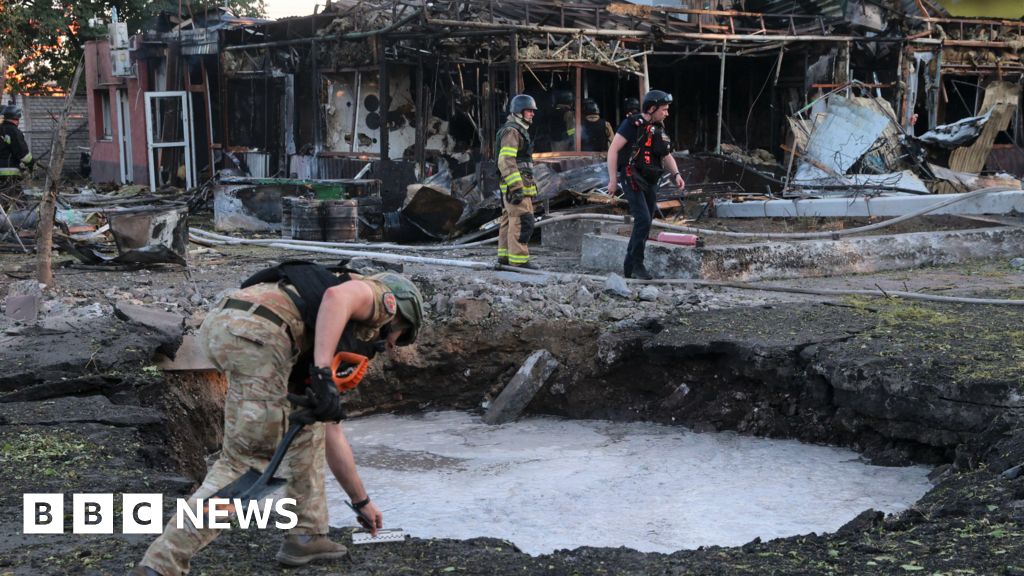
Intensified Russia-Ukraine Attacks Claim Dozens Amid Zelenskyy’s Renewed Plea for Dialogue
KYIV, Ukraine – [Date of publication, e.g., March 12, 2024] – A brutal cycle of aerial bombardments and missile strikes between Russia and Ukraine has escalated dramatically in recent days, resulting in dozens of deaths and injuries across both nations. The heightened aggression comes as Ukrainian President Volodymyr Zelenskyy reiterates his persistent call for more peace talks, a plea that appears increasingly distant amidst the roar of explosions and the mounting civilian toll.
The latest wave of assaults underscores the grinding reality of a conflict now well into its third year, with no immediate end in sight. Ukrainian officials reported a significant surge in Russian attacks targeting critical infrastructure and residential areas, particularly in the eastern and southern regions. Cities like Kharkiv, Odesa, Zaporizhzhia, and Dnipro have borne the brunt of these renewed offensives, witnessing extensive damage and a tragic loss of life.
On Tuesday morning, a volley of Russian cruise missiles and Shahed drones struck multiple Ukrainian cities. In Kharkiv, emergency services scrambled to residential buildings after missile fragments and explosions ripped through a densely populated district, killing at least five people and injuring scores more. Local Governor Oleh Syniehubov described the attacks as ‘barbaric,’ emphasizing the deliberate targeting of civilian zones. Similar scenes unfolded in Odesa, where port infrastructure and a multi-story apartment building were hit, adding to the growing casualty count.
Ukrainian air defense systems reportedly intercepted a significant number of incoming projectiles, but the sheer scale of the attacks meant many still reached their targets. The Ministry of Defense of Ukraine confirmed that energy facilities were among the primary objectives, aiming to cripple the country’s power grid, a tactic reminiscent of previous winter campaigns. Restorations efforts are underway, but millions face potential disruptions to essential services.
Meanwhile, Ukraine has not remained passive. Its forces have intensified their own retaliatory strikes, primarily utilizing long-range drones and artillery against Russian border regions and territories illegally annexed by Moscow. The Russian Defense Ministry reported a series of Ukrainian drone attacks targeting Belgorod and Kursk regions, causing damage to infrastructure and, according to Russian authorities, resulting in civilian casualties. While specific figures are difficult to independently verify, local Russian governors have also confirmed deaths and injuries, painting a grim picture of widespread suffering on both sides of the front lines.
Amidst this escalating violence, President Zelenskyy, in his nightly address, once again championed the necessity of diplomatic engagement. “The world must not forget that every day of this war brings new tragedies, new deaths,” Zelenskyy stated. “We need more talks, more efforts from our partners to bring peace, not just a temporary ceasefire, but a just and lasting peace.” His renewed call comes after previous attempts at negotiations have repeatedly stalled, often due to fundamental disagreements on territorial integrity and security guarantees.
Zelenskyy’s conditions for peace talks have remained consistent: the full withdrawal of Russian troops from all Ukrainian territory, including Crimea, and accountability for war crimes. These demands are diametrically opposed to Moscow’s stated objectives, which include the ‘demilitarization’ and ‘denazification’ of Ukraine and recognition of its territorial gains, making any immediate breakthrough in negotiations appear highly unlikely.
The humanitarian toll of these exchanges is immense. Hospitals are overwhelmed with casualties, and psychological support services are stretched thin. Thousands of homes have been destroyed or damaged, leading to further internal displacement of an already vulnerable population. The destruction of civilian infrastructure also threatens food security and access to clean water in affected regions, exacerbating an already dire humanitarian crisis.
International reactions have largely condemned Russia’s aggressive actions, with Western allies reiterating their support for Ukraine’s sovereignty and territorial integrity. Calls for de-escalation have been made by the United Nations and various international bodies, but these appeals have seemingly fallen on deaf ears amidst the relentless pursuit of military objectives by both sides. The continued flow of military aid to Ukraine from its partners underscores the international community’s commitment to enabling Kyiv to defend itself, even as hopes for a diplomatic resolution remain dim.
Military analysts suggest that the recent intensification of attacks by both nations could be a strategic maneuver, with each side attempting to gain leverage on the battlefield ahead of potential future negotiations or to degrade the other’s military capabilities. Russia might be testing Ukraine’s air defense capabilities and resource resilience, while Ukraine aims to demonstrate its capacity for retaliation and disrupt Russian logistics and morale.
As the conflict grinds on, the repeated calls for dialogue from Kyiv stand in stark contrast to the escalating reality on the ground. The immediate future appears destined to be marked by more bloodshed and destruction, with the path to a lasting peace obscured by the smoke of war and the unwavering resolve of both combatants.