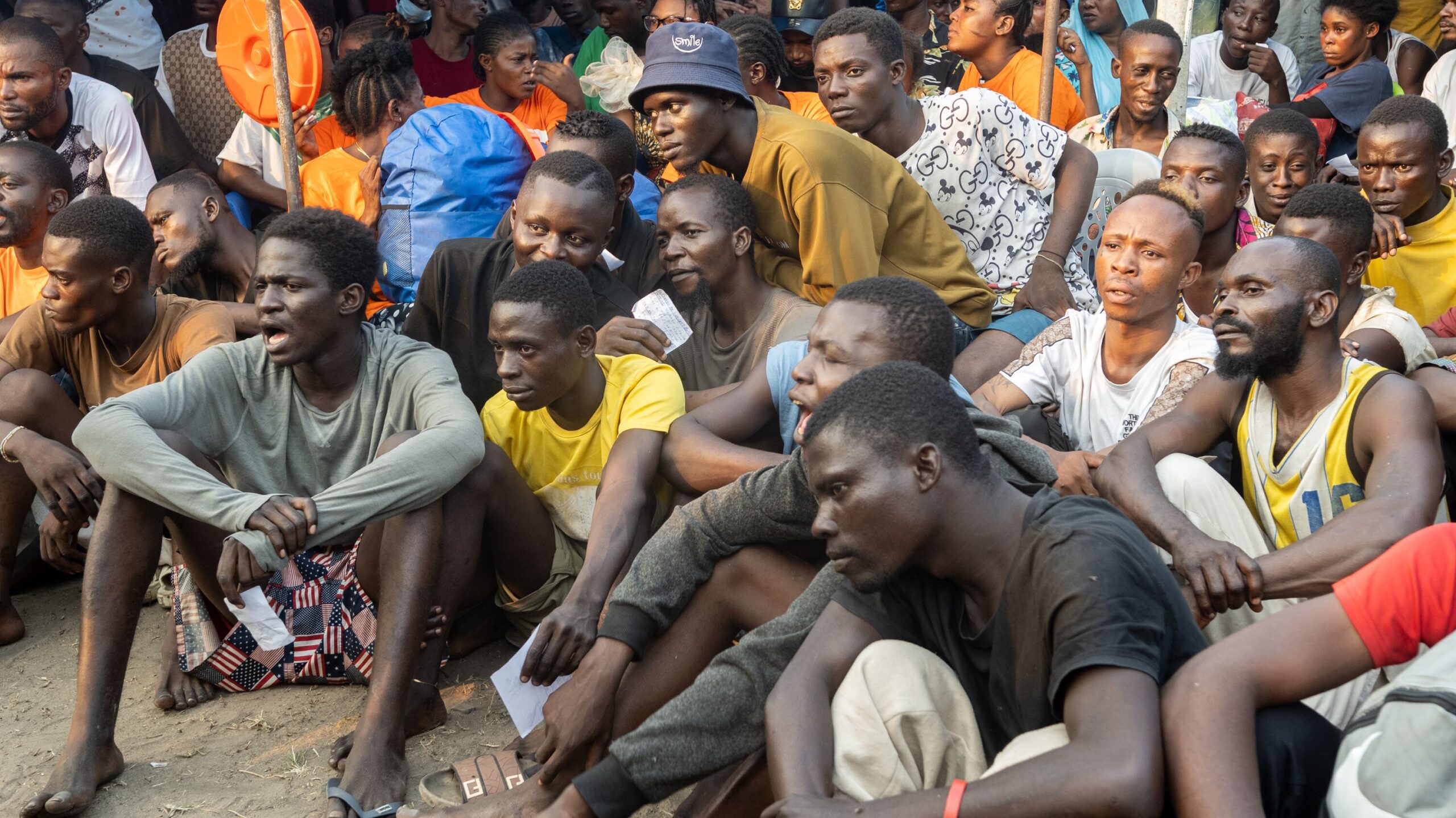
Historic Breakthrough: Congo Poised to Receive First US Deportees This Week, Sources Reveal
WASHINGTON D.C. & KINSHASA – In a significant development signaling a shift in international immigration dynamics, the Democratic Republic of Congo (DRC) is preparing to accept its first group of deportees from the United States as early as this week, according to exclusive sources close to the diplomatic discussions and reported by Reuters. This marks a historic moment, ending decades of the DRC’s resistance to accepting its citizens deported from the U.S. and potentially ushering in a new era of cooperation on immigration enforcement between the two nations.
For years, the U.S. government has faced formidable challenges in deporting Congolese nationals, primarily due to Kinshasa’s reluctance to issue travel documents or acknowledge their citizens. This diplomatic impasse meant that thousands of Congolese individuals, some with criminal records or expired visas, remained in a legal limbo within the U.S., often held in detention centers for extended periods. The breakthrough, therefore, represents a substantial victory for U.S. immigration authorities and a complex challenge for the Congolese government.
The Details of the Initial Repatriation
While the exact number of individuals in this initial group remains undisclosed, sources indicate it is a relatively small cohort, intended as a pilot program to establish a working mechanism for future repatriations. These individuals are understood to have exhausted all legal avenues to remain in the U.S., having faced final orders of removal for reasons ranging from visa overstays to convictions for various offenses. U.S. Immigration and Customs Enforcement (ICE) officials have reportedly been working diligently with their Congolese counterparts to finalize the logistical and documentation aspects for this inaugural flight.
The impending arrival is the culmination of intense diplomatic negotiations, which gained momentum under the Biden administration’s push to streamline deportations to countries previously deemed “recalcitrant.” The U.S. has often employed various forms of pressure, including visa sanctions on government officials, to encourage compliance from nations that refuse to accept their deportees. While specific details of any incentives or agreements with the DRC have not been publicly disclosed, the outcome suggests a successful application of such diplomatic leverage.
Congo’s Shifting Stance and Internal Challenges
The DRC’s decision to reverse its long-standing policy is attributed to a confluence of factors. Experts suggest that a desire to improve bilateral relations with the U.S., access to critical development aid, and a renewed commitment to international obligations may have played significant roles. The U.S. remains a crucial partner for Congo, particularly as the nation grapples with ongoing conflicts in its eastern provinces, humanitarian crises, and the need for economic investment.
However, accepting deportees presents its own set of challenges for the Congolese government. Reintegrating individuals who have spent years, or even decades, abroad can be a complex and resource-intensive undertaking. Many may have lost familial connections, be unfamiliar with the current socio-economic landscape, and lack immediate support networks. Human rights organizations have often voiced concerns about the welfare of deportees, particularly those returning to countries with limited social services or potential for political instability.
Humanitarian Concerns and Advocacy Voices
Advocacy groups are closely monitoring the situation, expressing concerns about the well-being of the returning individuals. “While governments have the right to manage their borders, the process of deportation must be humane and ensure the safety and dignity of the individuals involved,” stated a representative from a prominent human rights organization, speaking on background. “We hope that the Congolese government, with support from international partners, will put in place adequate mechanisms for reintegration, including access to housing, healthcare, and employment opportunities.”
There are also apprehensions regarding the potential for some deportees to face persecution or discrimination upon their return, particularly if their reasons for seeking asylum in the U.S. were politically motivated or linked to past conflicts within the DRC. The U.S. government maintains that it conducts thorough screenings to ensure individuals are not returned to genuine threats, but critics often argue that these processes can be imperfect.
Implications for U.S. Immigration Policy
For the Biden administration, this development underscores a renewed focus on immigration enforcement, even as it navigates complex border challenges. Clearing the backlog of non-detained individuals with final removal orders, including those from historically reluctant nations, has been a key objective. Success with the DRC could set a precedent for future negotiations with other countries that have similarly resisted accepting their deportees, such as Ethiopia, Eritrea, and others across Africa and Asia.
“This is a significant diplomatic win for the U.S., demonstrating that persistent engagement can yield results even in long-standing impasses,” commented Dr. Elena Rodriguez, an expert on international migration at Georgetown University. “It also highlights the intricate web of foreign policy, human rights, and domestic immigration enforcement that shapes these decisions. While it resolves a specific problem for the U.S., the long-term impacts on the deportees and the receiving country warrant careful observation.”
As the first flight prepares for departure, all eyes will be on Kinshasa to observe how the DRC manages this initial group of returnees. The success or failure of this pilot program will undoubtedly influence the trajectory of future deportations to Congo and may serve as a blueprint for the United States’ ongoing efforts to enforce its immigration laws globally.