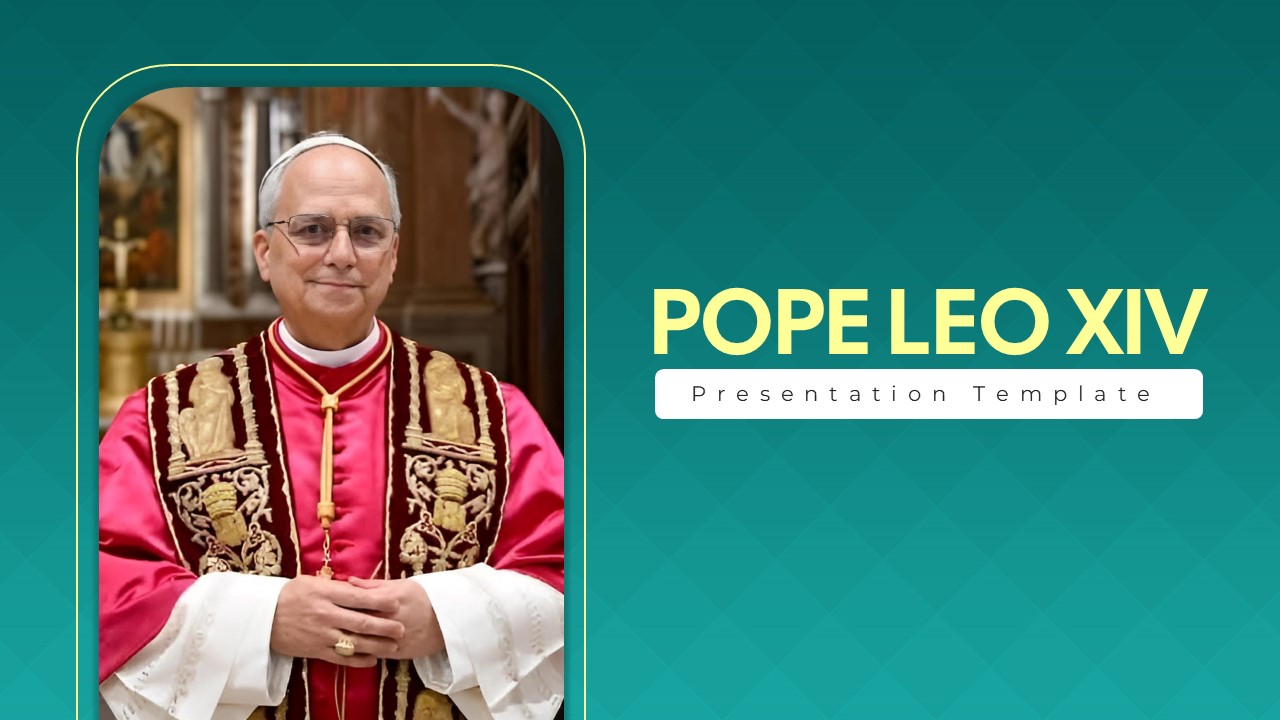
Abidjan, Côte d’Ivoire – Pope Leo XIV recently concluded a groundbreaking two-week apostolic journey across four diverse African nations, a pilgrimage that resonated with themes of peace, reconciliation, environmental justice, and interfaith harmony. Departing from his usual itinerary, the Pontiff chose to bypass traditional major stops, instead focusing on regions grappling with specific, pressing challenges, offering a deeply personal and pastoral touch. NPR correspondents across the continent reported on a trip marked by vibrant celebrations, solemn prayers, and powerful calls to action.
Nambian Republic: A Beacon of Reconciliation
The Pope’s first stop was the Nambian Republic, a nation still navigating the complex path of post-conflict reconciliation after decades of internal strife. Arriving in the capital, Maraba, Pope Leo XIV immediately addressed the wounds of the past. In a poignant ceremony held at the National Monument for Peace, he met with victims and perpetrators of the conflict, leading them in a collective prayer for forgiveness and unity. “True peace is not merely the absence of war,” the Pope declared, his voice firm but compassionate, “but the active pursuit of justice, truth, and genuine reconciliation that begins in the human heart.”
His message underscored the Church’s commitment to healing and social cohesion. Local Catholic leaders emphasized the spiritual upliftment his visit brought. Bishop Elara N’dongo told NPR, “His Holiness reminded us that the path to peace is arduous, but it is a divine mandate. His presence alone offered a profound sense of validation and hope to our people who have suffered immensely.” The Pope also visited a community-led project focused on integrating former combatants back into society, praising their efforts to rebuild trust and foster economic opportunities.
Kushite Federation: Confronting Climate Change and Empowering Youth
From the arid plains of the Kushite Federation, Pope Leo XIV turned his attention to the urgent crisis of climate change, a threat disproportionately affecting many African nations. In the drought-stricken region of Al-Majara, he witnessed firsthand the devastating impact on local farmers and pastoralists, whose livelihoods are increasingly precarious. “The cry of the Earth and the cry of the poor are one and the same,” he preached during a mass held under a scorching sun, referencing his encyclical on environmental stewardship.
The Pontiff engaged extensively with youth activists and scientists, listening to their innovative solutions for sustainable agriculture and water management. He launched a new Vatican-backed initiative aimed at providing technical assistance and micro-financing for green projects in the region. Dr. Fatima Zahra, an environmental scientist at the University of Al-Majara, praised the Pope’s focus. “His visit elevated the conversation around climate justice from a scientific debate to a moral imperative. He connected deeply with our young people, making them feel heard and empowered to be agents of change.” The emphasis here was clearly on action and future-proofing communities against ecological collapse.
Republic of Equatoria: Bridging Divides Through Interfaith Dialogue
The Republic of Equatoria presented a vibrant tapestry of cultures and religions, yet one not immune to sectarian tensions. Pope Leo XIV’s visit to the bustling city of Port Aziza was primarily dedicated to fostering interfaith dialogue and mutual understanding. He held a historic meeting with leaders from various Christian denominations, as well as prominent imams and traditional spiritual elders. Speaking at the Grand Mosque of Port Aziza, an unprecedented gesture, the Pope called for a “civilization of encounter.”
“We share more than we differ,” Pope Leo XIV stated to a rapt audience, “Our common humanity, our shared belief in a benevolent Creator, compels us to work together for justice, peace, and the dignity of every person.” The meeting concluded with a joint declaration committing to collaborate on educational and healthcare initiatives, demonstrating a tangible outcome of their dialogue. Rev. Father Joseph Kweku, a local priest, observed, “His Holiness showed us that true faith calls for outstretched hands, not clenched fists. This visit will leave a lasting legacy of cooperation and respect in a region where such harmony is often fragile.”
Coastal Nation of Solara: Dignity of Labor and Migration Concerns
The final stop was the Coastal Nation of Solara, a rapidly developing country grappling with economic disparities, the allure of migration, and the challenges of a burgeoning informal economy. In the port city of Sania, Pope Leo XIV spoke passionately about the dignity of labor, meeting with dockworkers, fishermen, and street vendors. He decried exploitative labor practices and called for equitable wages and safe working conditions for all.
The issue of migration, particularly irregular migration across the treacherous seas, was another central theme. During a visit to a refugee camp on the outskirts of Sania, the Pope offered words of solace and hope. “Every human being has a right to migrate to save their life, to find work, to find a future for their children,” he said, advocating for safer, more humane pathways for migrants and refugees. He also challenged wealthier nations to share the burden and to address the root causes of forced displacement. “We must see in the face of every migrant the face of Christ, suffering and seeking solace.”
A Continent Reinvigorated, A Papacy Defined
Pope Leo XIV’s African journey was more than a series of diplomatic engagements; it was a profound spiritual pilgrimage that touched millions. From peace initiatives in Nambian Republic to environmental advocacy in Kushite Federation, interfaith bridge-building in Equatoria, and migrant dignity in Solara, the Pontiff tailored his message to each nation’s unique context. His ability to connect with diverse communities, listen attentively, and offer both spiritual guidance and pragmatic solutions has marked this trip as a defining moment of his papacy.
As he departed, the echoes of his visit lingered. This African pilgrimage has not only reinvigorated the Catholic Church on the continent but has also reinforced Pope Leo XIV’s image as a global moral leader attuned to the struggles and hopes of the marginalized. The challenge now lies in how these seeds of hope and action will flourish.