Echoes of Devastation: Israel’s Strikes Erase Lebanese Villages, Leaving ‘Everything Gone’
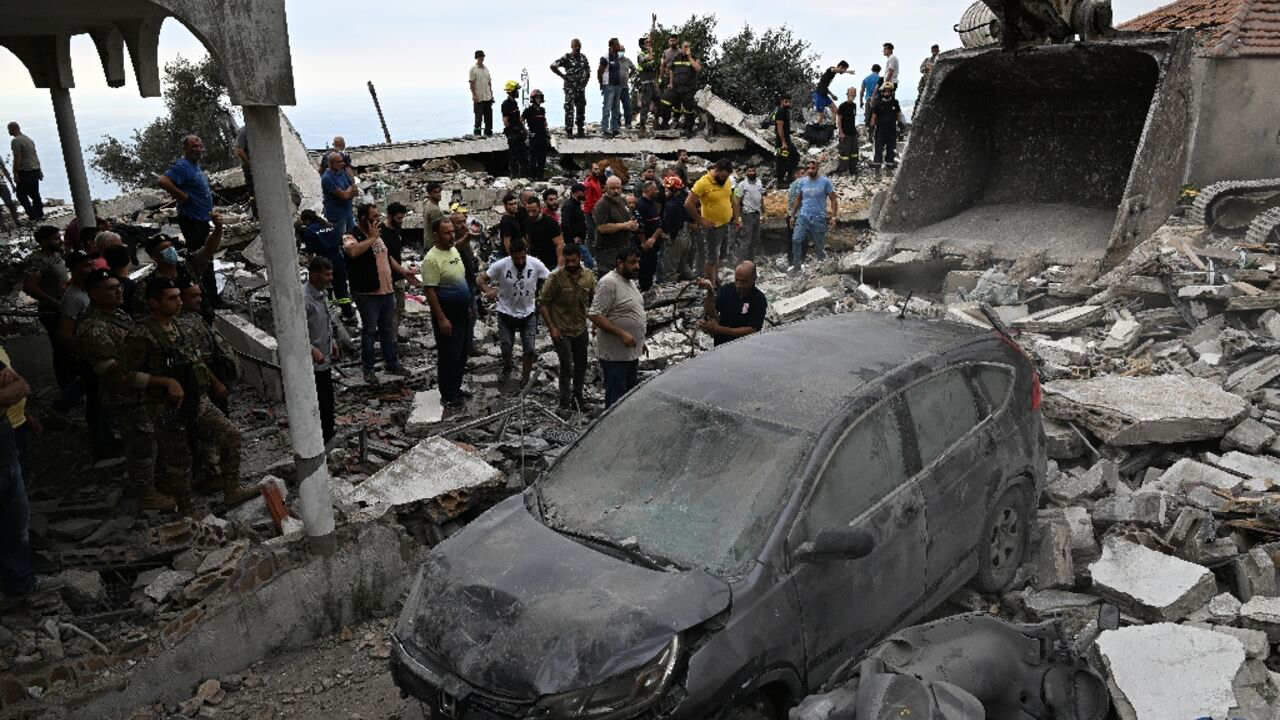
Southern Lebanon lies in ruins, as relentless Israeli bombardment has obliterated entire villages, transforming vibrant communities into desolate landscapes. A recent report by The Guardian starkly captures the profound loss, quoting desperate residents who lament, “Everything is gone.” The widespread destruction, a direct consequence of escalating cross-border hostilities, has erased homes, livelihoods, and the very fabric of life for thousands, painting a grim picture of a region caught in a devastating conflict.
The conflict, which intensified dramatically following the October 7th attacks by Hamas and Israel’s subsequent war in Gaza, has seen a dangerous escalation along Israel’s northern border with Lebanon. Hezbollah, a powerful Lebanese armed group, has engaged in daily exchanges of fire with Israeli forces, ostensibly in support of Hamas. While both sides claim to target military infrastructure, the civilian toll in southern Lebanon has been catastrophic, leading to accusations of indiscriminate targeting and collective punishment.
Villages such as Ayta al-Shaab, Houla, Kafr Kila, and Maroun al-Ras, once bustling with life, have been systematically reduced to rubble. Satellite imagery and ground reports reveal a shocking level of destruction, with significant percentages of homes and public buildings either severely damaged or completely destroyed. Residents who have managed to briefly return to their ancestral lands speak of an unrecognizable wasteland. “Our olive groves, our homes, the school, the mosque – it’s all gone,” recounts Fatima, a displaced resident of Ayta al-Shaab, her voice heavy with grief. “Fifty years of my life, built brick by brick, vanished in moments.”
“Our olive groves, our homes, the school, the mosque – it’s all gone. Fifty years of my life, built brick by brick, vanished in moments.”
– Fatima, a displaced resident of Ayta al-Shaab
The Guardian’s investigation highlights how entire neighbourhoods have been leveled, with some areas appearing as if they have been subjected to an earthquake, rather than conventional warfare. This systematic targeting extends beyond residential areas to vital infrastructure, including agricultural land, water networks, and power grids. The destruction of agricultural fields, particularly tobacco and olive groves – staple livelihoods for many in the region – portends a long-term economic disaster, even if the conflict were to cease today.
The human cost is staggering. Over 90,000 Lebanese citizens have been forcibly displaced from their homes in the south, seeking refuge further north, many living in overcrowded temporary shelters or with relatives. These internally displaced persons (IDPs) face immense challenges, including inadequate access to food, water, healthcare, and education. The psychological trauma inflicted on children and adults witnessing such devastation and displacement is immeasurable, casting a long shadow over their future.
International humanitarian organizations have expressed grave concerns over the apparent disregard for civilian life and infrastructure. Calls for independent investigations into potential violations of international humanitarian law have intensified. While Israel maintains its actions are defensive and aimed at dismantling Hezbollah’s capabilities, the scale of destruction in civilian areas raises serious questions about proportionality and distinction, fundamental principles of armed conflict.
Local Lebanese officials have described a deliberate strategy to render these border villages uninhabitable, creating a buffer zone devoid of civilian presence. This accusation, if proven, would represent a severe breach of international law, which protects civilians and civilian objects from attack. The Lebanese government has repeatedly urged the international community to intervene and de-escalate the conflict, warning of the potential for a full-scale regional war if the current trajectory continues.
The long-term implications of this devastation are profound. Rebuilding these obliterated communities will require colossal resources, years of effort, and a level of political stability that currently seems distant. Beyond the physical reconstruction, there is the arduous task of healing deep-seated wounds, restoring trust, and helping displaced populations return to a semblance of normal life. The loss of cultural heritage, community bonds, and personal histories represents an irreplaceable void.
As the echoes of explosions continue to reverberate across the border, the international community faces an urgent imperative to push for a complete cessation of hostilities and to facilitate humanitarian aid. The plight of southern Lebanon’s residents, stripped of everything they knew, serves as a poignant reminder of the devastating consequences of unchecked conflict and the urgent need for a diplomatic resolution before more lives and communities are irretrievably lost.