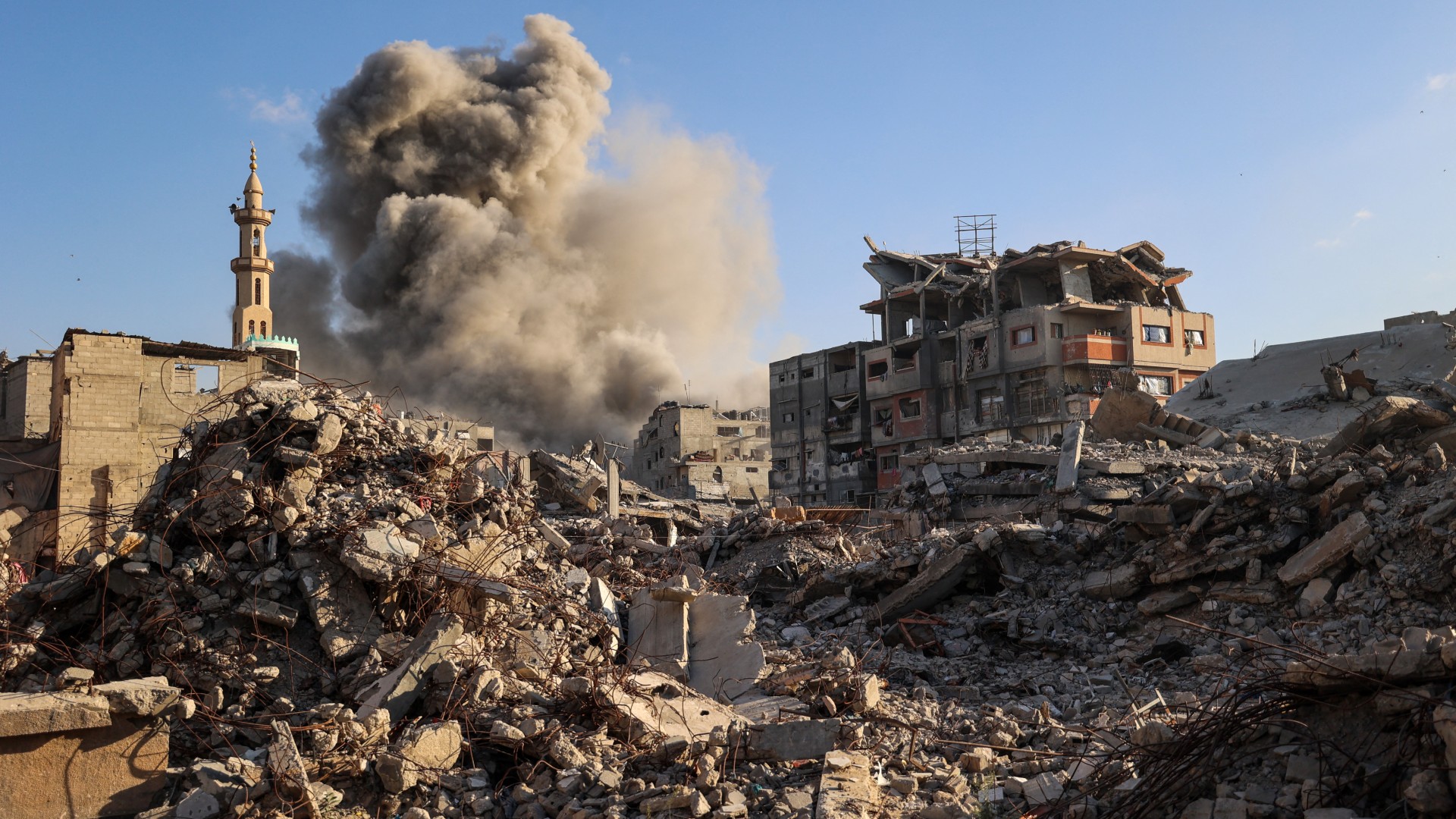
Ground Zero: Al Jazeera Unearths the ‘Wiping Out’ of Lebanon’s Bint Jbeil
In the summer of 2006, the once-vibrant southern Lebanese town of Bint Jbeil became a stark symbol of the devastating conflict between Israel and Hezbollah. As reported by Al Jazeera, the scale of destruction inflicted upon the town was so profound that it led to descriptors like ‘wiped out.’ This report delves into the comprehensive obliteration of Bint Jbeil, examining the extensive damage, the human cost, the strategic military context, and the enduring legacy of a conflict that reshaped an entire community on the Lebanese-Israeli border.
The Devastation Unveiled: A Town Erased
The term ‘wiped out,’ though stark, barely captures the reality witnessed in Bint Jbeil following the 34-day conflict. Aerial bombardments, heavy artillery fire, and fierce ground clashes systematically leveled homes, businesses, and essential infrastructure. Satellite imagery and ground reports detailed a landscape transformed into rubble, where entire neighborhoods ceased to exist. Mosques, schools, hospitals, and municipal buildings, once cornerstones of community life, were reduced to skeletal remains or pulverized debris. According to numerous assessments, including those cited by Al Jazeera at the time, an estimated 80-90% of the town’s buildings suffered significant damage or complete destruction, rendering Bint Jbeil almost uninhabitable for its thousands of residents.
Eyewitness Accounts and The Human Cost
The physical destruction was mirrored by an immeasurable human toll. Survivors recounted harrowing tales of fleeing under bombardment, losing loved ones, and witnessing their lives’ work disappear in plumes of smoke. Many of Bint Jbeil’s 30,000 pre-war inhabitants were internally displaced, their return hampered by the widespread devastation and unexploded ordnance. ‘We returned to nothing,’ one resident was quoted as saying in early reports, ‘only memories amidst the dust.’ The psychological scars ran deep, with trauma and grief affecting generations. The loss extended beyond homes; cultural heritage, community bonds, and the very fabric of daily life were severely fractured, leaving a legacy of despair and a monumental challenge for recovery.
Military Strategy and International Scrutiny
Bint Jbeil held significant strategic importance for both sides during the 2006 war. Situated just a few kilometers from the Israeli border, it had historically been a stronghold of resistance and was considered by Israel to be a key logistical and operational hub for Hezbollah. Israeli military officials justified the intense bombardments as necessary to dismantle Hezbollah’s military infrastructure, destroy rocket launching sites, and neutralize fighters operating from within the town. They maintained that their operations targeted legitimate military objectives, even as civilian casualties and widespread damage drew international condemnation.
Concerns over International Humanitarian Law
The extent of the destruction in Bint Jbeil, and across southern Lebanon, raised serious questions regarding compliance with international humanitarian law (IHL), particularly principles of proportionality and distinction. Human rights organizations and international bodies voiced concerns that Israeli military actions often failed to adequately distinguish between combatants and civilians, and that the damage inflicted on civilian infrastructure was disproportionate to the military advantage gained. These concerns fueled debates about the legality and ethics of modern warfare in urban environments, highlighting the devastating consequences for civilian populations caught in the crossfire.
Context and Background: A Town Forged in Conflict
Bint Jbeil’s history is inextricably linked to the broader Israeli-Lebanese conflict. For decades, the town served as a symbol of Lebanese resistance, particularly during Israel’s occupation of southern Lebanon from 1982 to 2000. Its proximity to the border made it a frequent flashpoint and a critical staging ground for various resistance movements. The 2006 war itself erupted after Hezbollah captured two Israeli soldiers and launched rockets into northern Israel. This act triggered a massive Israeli military response, leading to a full-scale conflict that engulfed much of Lebanon, with Bint Jbeil becoming one of the most heavily contested and ultimately, one of the most severely damaged locales.
The town’s socio-political landscape has long been shaped by its geopolitical reality, fostering a resilient community accustomed to cycles of conflict and reconstruction. Understanding Bint Jbeil’s unique history and strategic location is crucial to comprehending why it bore such a heavy brunt of the 2006 war, transforming it from a bustling market town into a symbol of urban warfare’s destructive potential.
The Long Road to Recovery and Future Outlook
Following the ceasefire in August 2006, the monumental task of reconstruction began. With significant international aid and domestic efforts, Bint Jbeil slowly started to rebuild. New homes, schools, and public facilities emerged from the rubble, a testament to the resilience of its people. However, the scars of war remain visible, both physically and psychologically. Many residents never returned, seeking new lives elsewhere, while those who stayed grappled with the lingering effects of trauma, economic hardship, and the ever-present threat of renewed conflict.
The future of Bint Jbeil, like much of southern Lebanon, remains intertwined with regional stability and the broader dynamics of the Israeli-Lebanese border. While reconstruction has brought a semblance of normalcy, the town continues to navigate a complex geopolitical landscape, ever vigilant of the past and hopeful for a future free from the shadow of war. Bint Jbeil stands as a stark reminder of the costs of conflict and the unwavering spirit of communities determined to reclaim their homes and their heritage.