Trump Rejects Iran’s Hormuz Overture, Deepening US-Tehran Chasm Amidst Gulf Tensions
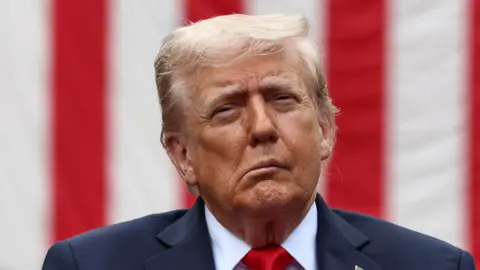
U.S. President Donald Trump, during his administration, voiced profound skepticism and effectively dismissed a proposal from Tehran regarding the security and management of the critical Strait of Hormuz. The overture, reportedly aimed at fostering regional cooperation on the vital oil chokepoint, was met with immediate White House rejection, underscoring the deep mistrust and escalating tensions that characterized U.S.-Iran relations in the Persian Gulf at the time. This stance, first reported by the Wall Street Journal, cemented the Trump administration’s “maximum pressure” strategy, leaving little room for diplomatic engagement on Iranian terms and signaling a continued confrontational approach.
Trump Rejects Overture Amidst Heightened Tensions
The Iranian proposal, details of which remained somewhat vague but were understood to involve a regional security dialogue or pact for the Strait of Hormuz without the direct involvement of extra-regional powers, was quickly brushed aside by President Trump. Speaking to reporters at the White House, the President indicated that he did not trust Iran’s intentions, viewing any such offer as a potential ploy to ease international pressure or deflect attention from its nuclear ambitions and regional destabilizing activities. “We don’t trust them. They’re a regime of terror,” Trump reportedly stated, reflecting a consistent hardline position.
US Distrust and Sanctions Regime
The outright rejection was consistent with the Trump administration’s “maximum pressure” campaign, initiated after the U.S. unilaterally withdrew from the Joint Comprehensive Plan of Action (JCPOA), commonly known as the Iran nuclear deal, in May 2018. The policy aimed to cripple Iran’s economy through stringent sanctions, forcing Tehran to negotiate a more comprehensive agreement addressing its ballistic missile program and regional proxy activities. From Washington’s perspective, any Iranian proposal not directly addressing these broader concerns was deemed insufficient and potentially disingenuous. U.S. officials frequently argued that Iran sought to sow division among regional allies and undermine the international coalition committed to ensuring freedom of navigation in the Gulf.
Iran’s Strategic Calculus: A Bid for Regional Leadership?
For Iran, the proposal likely represented a multifaceted strategic maneuver. On one hand, it could be seen as an attempt to de-escalate tensions in a region fraught with military incidents and threats of confrontation, but on its own terms, emphasizing regional solutions over external intervention. By inviting regional neighbors to co-manage the Strait, Iran aimed to assert its sovereignty and leadership role in the Persian Gulf, potentially diminishing the rationale for a significant U.S. military presence. Furthermore, such an initiative could have been an indirect appeal for sanctions relief, presenting Iran as a responsible regional actor despite the U.S. narrative.
Strait of Hormuz: A Global Chokepoint
The Strait of Hormuz, a narrow waterway connecting the Persian Gulf with the Arabian Sea, is arguably the world’s most vital oil transit chokepoint. An estimated one-fifth of global oil consumption, alongside a significant portion of liquefied natural gas, passes through this 21-mile-wide passage daily. Its strategic importance has repeatedly placed it at the center of geopolitical tensions, particularly between Iran and the West. Incidents involving tanker seizures, attacks on oil infrastructure, and naval confrontations have historically punctuated periods of heightened antagonism, underscoring the severe economic and security ramifications should the strait be disrupted or closed.
Context and Background
The backdrop to this diplomatic impasse was a period of intense volatility in U.S.-Iran relations. Following the U.S. withdrawal from the JCPOA, Washington reimposed crippling sanctions on Iran’s oil exports and financial sector, severely impacting its economy. Tehran responded by gradually scaling back its commitments under the nuclear deal and engaging in a series of retaliatory actions. The summer of 2019 saw a significant escalation of tensions in the Gulf, including attacks on oil tankers in the Gulf of Oman, drone shoot-downs, and a sophisticated drone and missile attack on Saudi Arabia’s Abqaiq oil processing facility, which the U.S. and its allies largely attributed to Iran. In this climate of distrust and reciprocal aggression, Iran’s proposal, irrespective of its genuine intent, faced an almost insurmountable barrier in Washington.
Future Outlook: Standoff Continues?
President Trump’s swift rejection of Iran’s Strait of Hormuz proposal left little immediate room for diplomatic de-escalation between Washington and Tehran. The move reinforced the perception that the U.S. was committed to its “maximum pressure” strategy, unlikely to engage with Iran on terms that did not fundamentally alter its regional and nuclear policies. For Iran, the dismissal likely solidified its conviction that negotiation with the Trump administration was futile, potentially pushing it further towards a strategy of resistance and seeking alternative economic and political alignments. The incident highlighted the enduring chasm between the two adversaries, suggesting a continued standoff where the risk of miscalculation and further escalation remained significant, with the critical waterways of the Persian Gulf remaining a potential flashpoint. The broader international community, meanwhile, continued to call for restraint and diplomatic solutions, navigating the complexities of an unresolved and dangerous geopolitical rivalry.