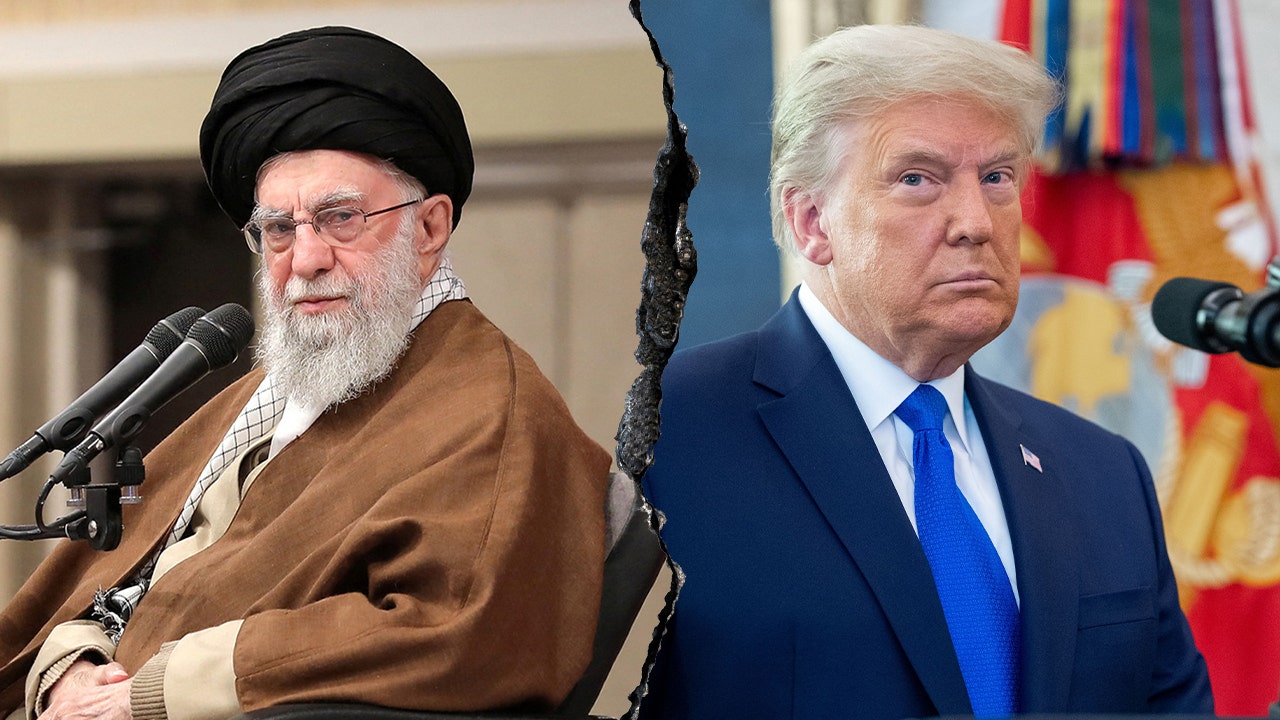
Trump Lashes Out at Merkel Over Iran Policy, Deepening Transatlantic Rift
WASHINGTON D.C. / BERLIN – President Donald Trump has launched a sharp rebuke against German Chancellor Angela Merkel following her recent criticisms of the United States’ approach to Iran. The highly public exchange, reported by Reuters and unfolding on the international stage, underscores a deepening rift between the two traditional allies over critical foreign policy matters, specifically the 2015 nuclear deal and Washington’s ‘maximum pressure’ campaign against Tehran.
The latest war of words saw President Trump directly challenging Chancellor Merkel’s stated position on the Joint Comprehensive Plan of Action (JCPOA), commonly known as the Iran nuclear deal, and her broader assessment of U.S. sanctions against Tehran. This contentious dialogue highlights the persistent divergence between Washington and key European capitals, particularly Berlin, on how best to contain Iran’s nuclear ambitions and address its regional conduct.
The Transatlantic Rift Deepens
The friction erupted after Chancellor Merkel, in a recent address, reiterated Germany’s commitment to the multilateral nuclear agreement and voiced concerns over the unilateral U.S. withdrawal and subsequent re-imposition of sanctions. She emphasized the importance of diplomacy and international cooperation in managing complex geopolitical challenges, subtly contrasting with the ‘America First’ doctrine.
Merkel’s Stance on Iran
Chancellor Merkel has consistently positioned Germany, alongside France and the United Kingdom (E3), as staunch defenders of the JCPOA, even after the U.S. pulled out in May 2018. Berlin views the deal as a crucial non-proliferation achievement that, despite its flaws, effectively curbed Iran’s nuclear program. German officials have repeatedly argued that isolating Iran completely risks destabilizing the region further and undermines the international non-proliferation architecture. Merkel’s government has also been instrumental in efforts to keep channels open with Tehran, notably through mechanisms like the Instrument in Support of Trade Exchanges (INSTEX), designed to facilitate legitimate trade with Iran despite U.S. sanctions.
Trump’s Vehement Rebuttal
President Trump’s response was swift and characteristically direct. Speaking to reporters, the President accused Germany and other European nations of not doing enough to confront Iran, implying they were benefiting from U.S. protection while simultaneously criticizing its foreign policy. “Germany is not paying their fair share for NATO, and then they criticize us on Iran? It’s unacceptable,” Trump reportedly stated, drawing a familiar parallel between defense spending and foreign policy alignment. He asserted that the U.S. maximum pressure campaign was effectively crippling Iran’s economy and forcing it to reconsider its aggressive posture, portraying European engagement as weak and ineffective.
The President’s remarks suggest a deep frustration with European allies who have sought to maintain the JCPOA and engage in what Washington perceives as appeasement. Trump has frequently linked perceived shortcomings in European defense contributions and trade practices to broader foreign policy disagreements, creating a consistent theme of transactional diplomacy.
Context and Background
The current dispute is not an isolated incident but rather the latest manifestation of a growing chasm between Washington and Berlin since the start of the Trump administration. The fundamental disagreement over Iran policy serves as a potent symbol of broader ideological and strategic divergences.
The JCPOA and European Persistence
The JCPOA, signed in 2015 by Iran and the P5+1 (China, France, Germany, Russia, United Kingdom, and United States plus the European Union), saw Iran agree to significant restrictions on its nuclear program in exchange for sanctions relief. President Trump withdrew the U.S. from the agreement, deeming it flawed and insufficient, and re-imposed crippling sanctions. European nations, however, maintained that the deal was working to prevent Iran from developing nuclear weapons and that its collapse would remove vital monitoring and verification mechanisms. Their efforts to preserve the deal, including the development of INSTEX, have been an ongoing source of tension with Washington.
A History of Disagreement
Beyond Iran, U.S.-German relations have been strained on multiple fronts under the Trump presidency. Issues such as trade tariffs on steel and aluminum, Germany’s defense spending within NATO (which Trump has repeatedly called insufficient), and the Nord Stream 2 pipeline project with Russia have all contributed to a significant erosion of trust and cooperation. These accumulated disagreements reflect a fundamental difference in worldviews: Trump’s ‘America First’ unilateralism versus Merkel’s commitment to multilateralism and rules-based international order.
Conclusion and Future Outlook
The latest exchange between President Trump and Chancellor Merkel highlights the precarious state of transatlantic relations and the challenges facing a united front on critical global issues. As the U.S. continues its ‘maximum pressure’ campaign against Iran, and European powers strive to maintain diplomatic engagement and uphold the nuclear deal, the potential for further divergence remains high.
This public disagreement not only complicates international efforts to manage the Iranian nuclear file but also underscores Europe’s increasing pursuit of strategic autonomy in foreign policy. While Washington and Berlin remain nominal allies, the persistent clashes over fundamental policy approaches suggest that resolving these deep-seated differences will require significant diplomatic effort, regardless of future political leadership. For now, the rift over Iran continues to widen, casting a long shadow over the future of transatlantic cooperation.