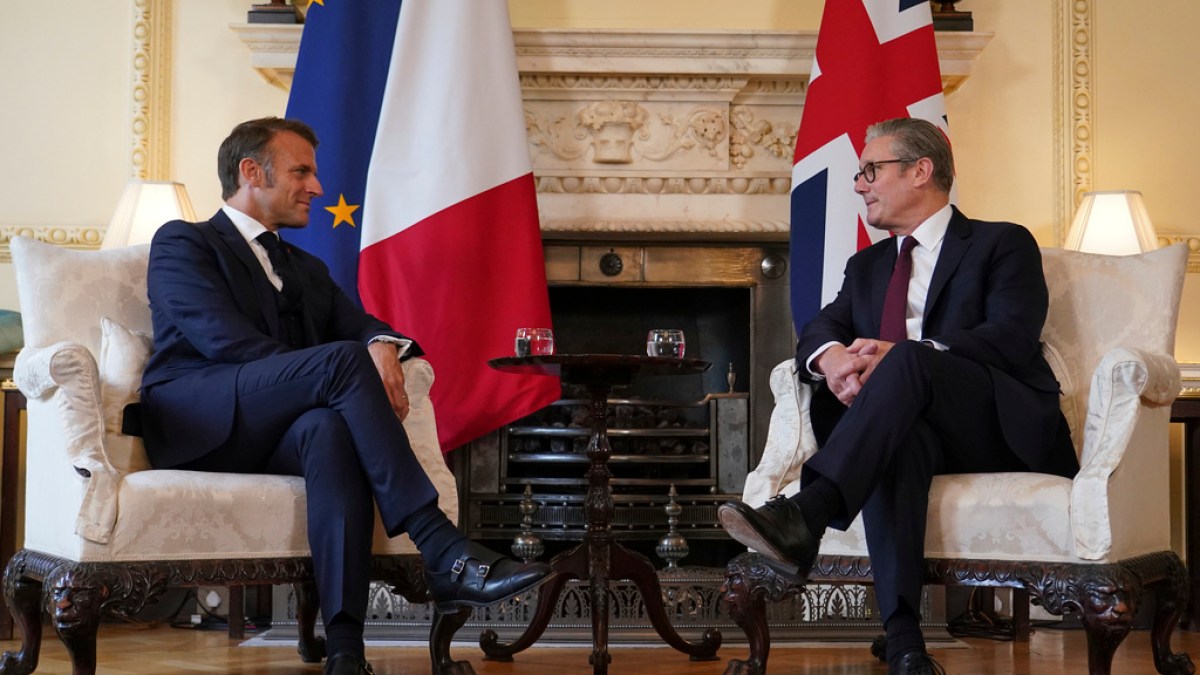
UK and France Finalize Landmark Three-Year Agreement to Curb Small Boat Crossings
PARIS — In a significant display of renewed cross-channel cooperation, the British and French governments have formalised a comprehensive three-year agreement aimed at significantly reducing the number of migrants attempting the perilous journey across the English Channel in small boats. The deal, announced following a high-profile summit between UK Prime Minister Rishi Sunak and French President Emmanuel Macron, signals a tactical shift in how both nations manage one of Europe’s most visible migration flashpoints.
The agreement commits the United Kingdom to a multi-year funding package totaling approximately £478 million (€541 million) through 2026. This financial commitment represents a substantial escalation from previous one-year arrangements, reflecting a long-term strategy to dismantle the business models of human trafficking gangs and fortify the northern French coastline. For the UK government, the deal is a cornerstone of Prime Minister Sunak’s “Stop the Boats” policy, a primary pillar of his domestic legislative agenda.
A Strategic Financial and Tactical Commitment
The financial breakdown of the deal reveals a tiered investment strategy. The UK will contribute roughly £120 million in 2023-24, followed by £160 million in 2024-25, and £198 million in 2025-26. This funding is specifically earmarked for the deployment of personnel, the procurement of advanced surveillance technology, and the development of administrative infrastructure on French soil.
At the heart of the operational plan is the deployment of an additional 500 French officers to patrol the beaches of northern France. These reinforcements will be supported by a new permanent French police unit dedicated solely to tackling small boat crossings. To enhance the efficiency of these patrols, the deal includes funding for a new detention center in France, designed to hold migrants intercepted by the authorities and facilitate their processing or return, thereby acting as a deterrent for those considering the crossing.
Technological advancement also plays a pivotal role in the new pact. Both nations have agreed to invest in enhanced drone technology, thermal imaging cameras, and night-vision equipment. These tools are intended to provide 24-hour surveillance of the vast stretches of coastline from which smugglers launch inflatable vessels. Furthermore, a joint UK-France command center will be bolstered to facilitate real-time intelligence sharing, allowing for more proactive interventions before boats even hit the water.
Political Stakes and the ‘Stop the Boats’ Pledge
For Prime Minister Rishi Sunak, the success of this agreement is tied directly to his political survival. Since taking office, Sunak has faced intense pressure from both the electorate and his own party to address the record-breaking numbers of arrivals—over 45,000 people crossed the Channel in 2022 alone. The visibility of these arrivals has made the issue a focal point of British political discourse, often overshadowing other policy achievements.
Speaking at the summit in Paris, Sunak emphasized that the deal was about “breaking the cycle” of illegal migration. “We don’t need to manage this problem; we need to break it,” Sunak told reporters. He argued that the multi-year nature of the funding provides the French authorities with the certainty needed to make long-term investments in security infrastructure, which was previously impossible under the month-to-month or year-to-year funding models of the past.
President Macron, while emphasizing the humanitarian necessity of preventing deaths at sea, also used the summit to frame the agreement as part of a broader post-Brexit thaw in relations. After years of diplomatic friction under previous UK administrations, the Sunak-Macron partnership appears to be built on a more pragmatic, technocratic foundation. Macron noted that while the UK is no longer a member of the European Union, it remains a vital European partner in security and defense.
Humanitarian Concerns and Institutional Criticism
Despite the optimistic tone from government officials, the deal has been met with sharp criticism from human rights organizations and international NGOs. Critics argue that the focus on securitization and enforcement ignores the underlying reasons why individuals risk their lives in the world’s busiest shipping lane. Groups such as Amnesty International and Care4Calais have warned that increased policing will likely push migrants to take even more dangerous routes or rely on more sophisticated—and more violent—smuggling networks.
“The strategy of deterrence has been tried for decades, and it has consistently failed,” said a spokesperson for a leading refugee charity. “All this deal does is pour more money into a surveillance apparatus without providing any safe and legal routes for those seeking asylum. Until there is a mechanism for people to claim asylum without crossing the Channel, the boats will continue to come.”
Furthermore, some legal experts have questioned the feasibility of the proposed detention center in France, citing potential conflicts with European human rights laws regarding the arbitrary detention of asylum seekers. There are also concerns that the emphasis on returns and detention may violate the spirit of the 1951 Refugee Convention, which protects the rights of individuals to seek asylum regardless of their mode of arrival.
A New Chapter in Franco-British Relations
Beyond the immediate logistics of border control, the 3-year deal is being viewed as a symbolic “reset” for the Entente Cordiale. The agreement covers more than just migration; it touches on energy security, defense cooperation, and shared research initiatives. By committing to a three-year financial plan, London is signaling that it views Paris as a reliable long-term partner, a sentiment that was often missing during the contentious negotiations following the UK’s exit from the EU.
As the first year of the deal commences, all eyes will be on the daily crossing figures published by the UK Home Office. While the British government hopes to see a significant decline in arrivals by the next general election, the complexity of global migration patterns means that the success of the £478 million investment remains far from guaranteed. For now, the beaches of Normandy and the cliffs of Dover remain the front lines of a multi-million-pound gamble to secure the borders of a post-Brexit Britain.