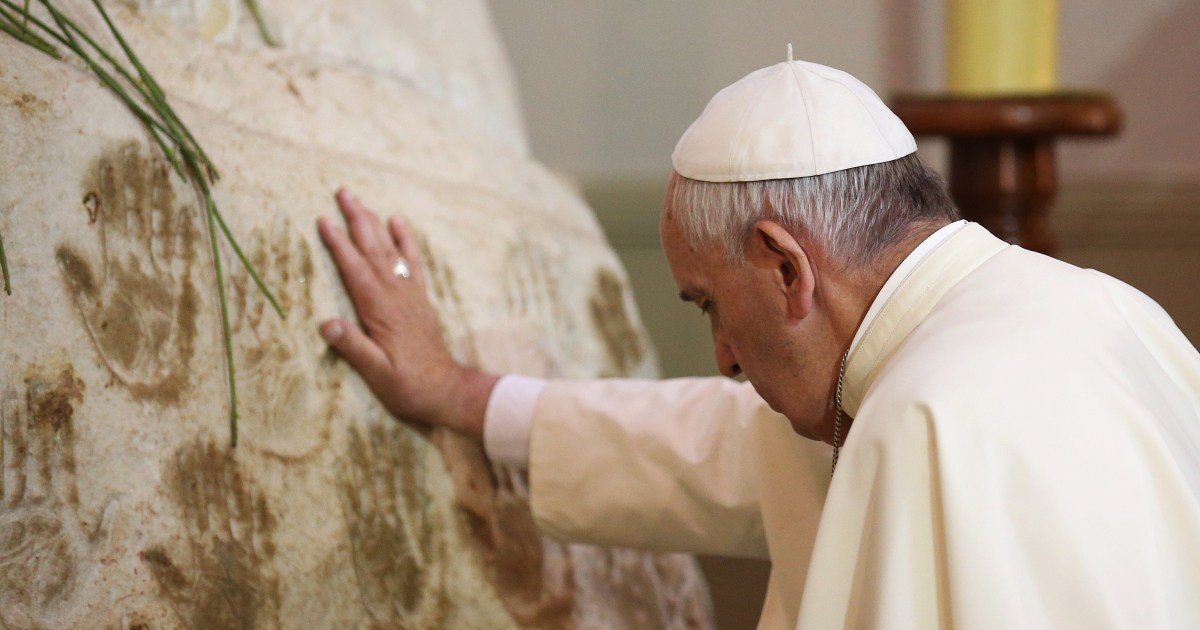
Pope Francis Calls for End to Corruption’s Grip During Historic Visit to Cameroon
YAOUNDÉ, Cameroon — October 26, 2023 — During a poignant and impactful visit to the Central African nation of Cameroon, Pope Francis issued a powerful and unequivocal call to break the ‘chains of corruption’ that he declared were stifling progress, deepening inequality, and undermining the very fabric of society. Addressing an audience that included government officials, religious leaders, and a vast congregation of the faithful, the pontiff’s message resonated deeply in a country long grappling with governance challenges and the pervasive effects of systemic graft.
The Holy Father’s impassioned plea, delivered with characteristic frankness, underscored a central theme of his papacy: the relentless fight against social injustice and the defense of human dignity. He spoke of corruption not merely as a criminal act, but as a moral wound that ‘consumes the vital energies of communities and destroys the legitimate hopes of the people.’
A Direct Challenge to Power and Greed
In a homily delivered in the capital, Yaoundé, Pope Francis did not mince words, likening corruption to a ‘sickness’ that spreads like a ‘cancer’ through the body politic. ‘It is a form of idolatry,’ he reportedly stated, ‘where the worship of money and power replaces the worship of God and service to humanity. It is a chain that binds individuals and entire nations, preventing them from realizing their full potential and condemning countless souls to poverty and despair.’
His message served as a direct challenge to leaders and citizens alike, urging them to resist the temptation of illicit gain and to uphold the principles of transparency, accountability, and ethical governance. The Pope emphasized the responsibility of those in power to serve the common good rather than private interests, reminding them that true leadership is about stewardship, not exploitation.
Cameroon, like many nations in the region, has faced persistent struggles with corruption, which has been identified by various international bodies as a significant impediment to economic development and social equity. Reports from organizations such as Transparency International have consistently highlighted challenges in public administration, judicial systems, and resource management. The Pope’s decision to directly address this sensitive issue during his visit was seen by many as a courageous and necessary intervention, reflecting his commitment to confronting uncomfortable truths.
Impact on the Ground: Hope Amidst Hardship
For the average Cameroonian, the Pope’s words carried immense weight. Many citizens endure daily hardships exacerbated by corruption, from needing to pay bribes for essential services to witnessing the siphoning off of public funds meant for infrastructure, education, and healthcare. The pontiff’s recognition of their struggles offered a beacon of hope and validation.
‘When the Pope speaks of chains, he speaks of our reality,’ commented Marie Ndi, a local teacher attending one of the papal events. ‘We see how corruption prevents our children from getting good education, how it makes hospitals inadequate. To hear him condemn it so strongly gives us courage to continue fighting for what is right.’
Church leaders in Cameroon have often played a crucial role in advocating for social justice and good governance. Pope Francis’s visit is expected to further empower these local efforts, providing moral impetus and global attention to their ongoing work. He encouraged the clergy and lay faithful to be ‘prophets of justice,’ urging them to speak out against wrongdoing and to actively promote integrity in their daily lives and communities.
A Global Message with Local Resonance
The Pope’s denouncement of corruption in Cameroon is not an isolated event but rather a consistent thread woven through his entire papacy. From his condemnation of financial misconduct within the Vatican to his global calls for economic justice, Francis has consistently targeted the systemic roots of inequality and exploitation. His visit to Cameroon served as a powerful reminder that these universal challenges manifest with particular intensity in developing nations, where institutional weaknesses can make populations more vulnerable to predatory practices.
He urged international bodies and wealthier nations to also reflect on their role in perpetuating global corruption, whether through illicit financial flows, tax havens, or exploitative trade practices. The ‘chains of corruption,’ he implied, often have links that stretch far beyond national borders, requiring a collective and global effort to dismantle them.
By bringing this critical issue to the forefront during a high-profile international visit, Pope Francis not only offered spiritual guidance but also political and moral leadership. His words will undoubtedly reverberate through the corridors of power in Yaoundé and beyond, serving as a catalyst for reflection and, hopefully, concrete action.
As the pontiff concluded his visit, his message remained clear: breaking the chains of corruption requires more than mere condemnation; it demands a profound conversion of hearts, a renewed commitment to ethical leadership, and a collective will to build societies founded on justice, solidarity, and the common good. The challenge now lies with those who heard his message to translate his powerful words into meaningful change.