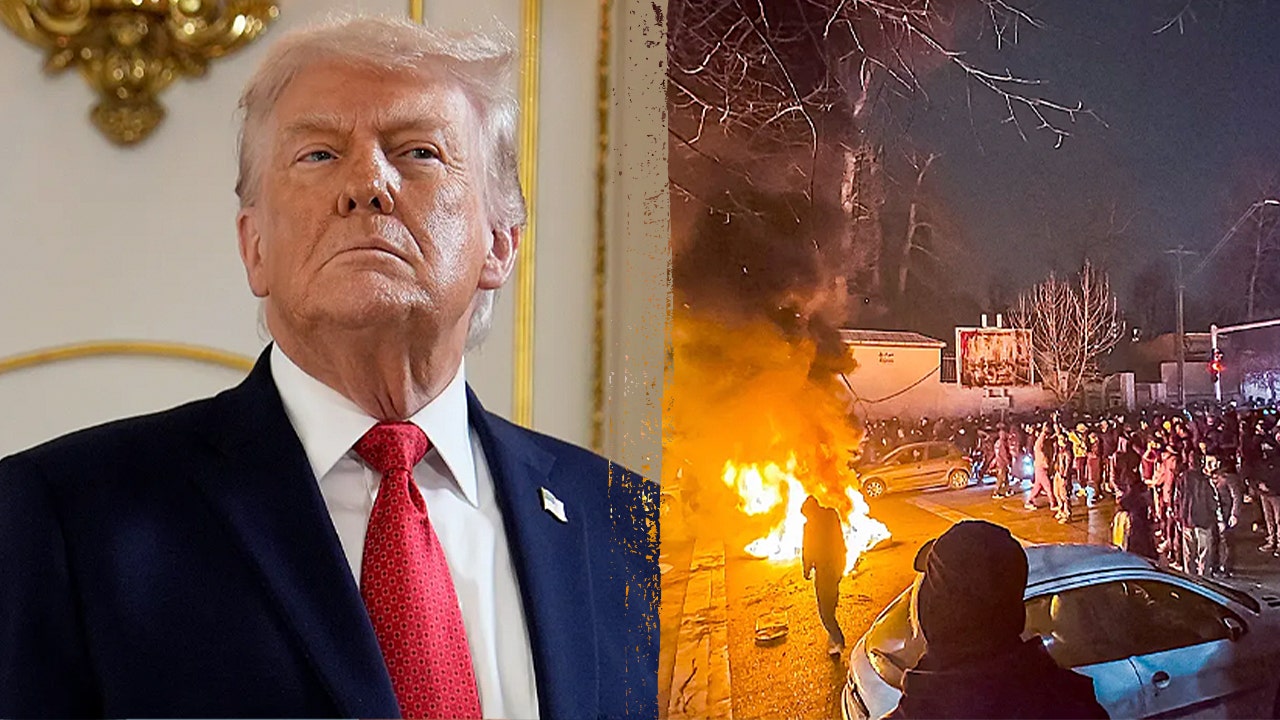
Global Tensions Mount as Trump Threatens Iran Blockade While Hungary’s Orbán Faces Unexpected Defeat
The global political landscape witnessed a week of profound upheaval as headlines from two continents delivered starkly contrasting, yet equally significant, developments. In a dramatic declaration that sent shivers through international diplomacy, former U.S. President Donald Trump announced his intention to implement a naval blockade of Iranian ports should he regain the presidency. Simultaneously, from the heart of Europe, news emerged from NPR and other outlets indicating an unexpected and monumental defeat for Hungary’s long-serving Prime Minister Viktor Orbán in the recent general election. These two events, though geographically distinct, underscore a period of intense global flux, challenging established norms and foreshadowing potential shifts in international relations and domestic governance.
Trump’s Blockade Threat Amplifies Middle East Tensions
The geopolitical chessboard saw a dramatic escalation this week as former U.S. President Donald Trump, in a striking declaration, asserted that the United States would implement a naval blockade of Iranian ports should he return to office. This assertive posture, outlined in a recent public address, signals a potential hardening of Washington’s stance against Tehran, carrying significant implications for global trade, energy markets, and regional stability in the Middle East.
Trump’s pronouncement comes against a backdrop of deeply fractured U.S.-Iran relations, exacerbated by his administration’s 2018 withdrawal from the Joint Comprehensive Plan of Action (JCPOA), commonly known as the Iran nuclear deal. Following the withdrawal, the U.S. reimposed stringent sanctions aimed at crippling Iran’s economy, particularly its vital oil exports. A blockade, however, represents a far more aggressive measure, historically verging on an act of war. It involves deploying naval assets to prevent vessels from entering or leaving Iranian waters, effectively cutting off the country’s access to international shipping lanes and trade.
Analysts are quick to point out the immense challenges and risks associated with such a policy. Economically, an airtight blockade would devastate Iran’s already struggling economy, potentially leading to humanitarian crises as essential goods become scarce. Globally, it would send shockwaves through the oil market, given Iran’s strategic location bordering the Strait of Hormuz, a critical chokepoint for a significant portion of the world’s oil supply. Any disruption there could trigger a steep surge in crude prices, impacting economies worldwide.
Moreover, the legality and feasibility of such a unilateral action without international backing are highly contentious. International law generally permits blockades only under specific circumstances, often requiring a UN Security Council resolution or being an an act of self-defense during an armed conflict. A U.S.-led blockade would likely face strong condemnation from several international powers, including China and Russia, who maintain significant trade ties with Iran and possess veto power in the UN Security Council. It would also place U.S. naval forces in a direct, confrontational stance with Iranian military assets, raising the specter of unintended clashes and a rapid escalation towards broader military conflict in an already volatile region. Experts warn that even the threat of such an action could be destabilizing, prompting pre-emptive moves or increased aggression from various actors in the Persian Gulf. The statement thus injects a significant new layer of uncertainty into the already complex dynamics of the Middle East, underscoring a potential shift towards more confrontational foreign policy should Trump regain the presidency.
Orbán’s Unexpected Defeat Reshapes Hungarian Politics
Simultaneously, Europe witnessed its own political earthquake as Hungarian Prime Minister Viktor Orbán, a figure who has dominated the country’s political landscape for over a decade, reportedly lost the recent general election, according to reports from NPR and other international outlets. This unexpected defeat marks a monumental shift in Hungarian politics and sends ripples across the European Union, where Orbán has frequently clashed with Brussels over issues of rule of law, migration, and democratic backsliding.
Orbán’s tenure, which began in 2010, has been characterized by a unique brand of “illiberal democracy,” consolidating power, reshaping the judiciary, and controlling state media. His Fidesz party has championed national sovereignty, a strong Christian identity, and restrictive immigration policies, often positioning Hungary as a bulwark against perceived liberal excesses from Western Europe. This approach earned him a loyal base but also drew sharp criticism from human rights organizations and EU institutions, leading to numerous infringement procedures and calls for sanctions.
The reported election outcome is particularly surprising given Orbán’s firm grip on power and the perceived disunity of the opposition. However, a coalesced opposition alliance, campaigning on a platform of anti-corruption, democratic renewal, and closer ties with the EU, appears to have successfully tapped into growing public fatigue with Fidesz’s long rule and concerns over the economy. Rising inflation, the lingering economic impacts of the pandemic, and the war in Ukraine – which presented a delicate balancing act for Orbán between EU solidarity and maintaining ties with Russia – likely played significant roles in swaying undecided voters. The election became a referendum not just on policies but on the very direction of Hungarian society and its place within Europe.
The loss of Orbán would usher in an era of profound change for Hungary. A new government, likely led by the united opposition, would face the immediate challenge of repairing democratic institutions, restoring media freedom, and mending strained relationships with the European Union. Such a shift could significantly alter the balance of power within the EU, potentially weakening the bloc of nationalist-leaning governments and strengthening those advocating for deeper European integration and adherence to liberal democratic norms. Internationally, it would be viewed as a boost for democratic values and a potential turning point for a nation that had increasingly drifted from mainstream European political currents. The outcome underscores the enduring power of democratic processes, even in systems where critics claimed they were being steadily eroded.
Global Crossroads: Uncertainty and Shifting Landscapes
Taken together, the potential for a new, aggressive U.S. stance on Iran and the democratic ousting of a powerful populist leader in Europe paint a picture of a world in transition. While the former portends heightened geopolitical risks and potential conflict in the Middle East, the latter signals a possible rejuvenation of democratic values and a realignment within the European Union. Both events reflect a volatile global environment, where traditional power dynamics are being re-evaluated and the future trajectory of nations hangs in a delicate balance. The coming months, whether shaped by a shift in Washington’s foreign policy or a new direction for Budapest, promise to be pivotal in defining the contours of the next era of international relations.