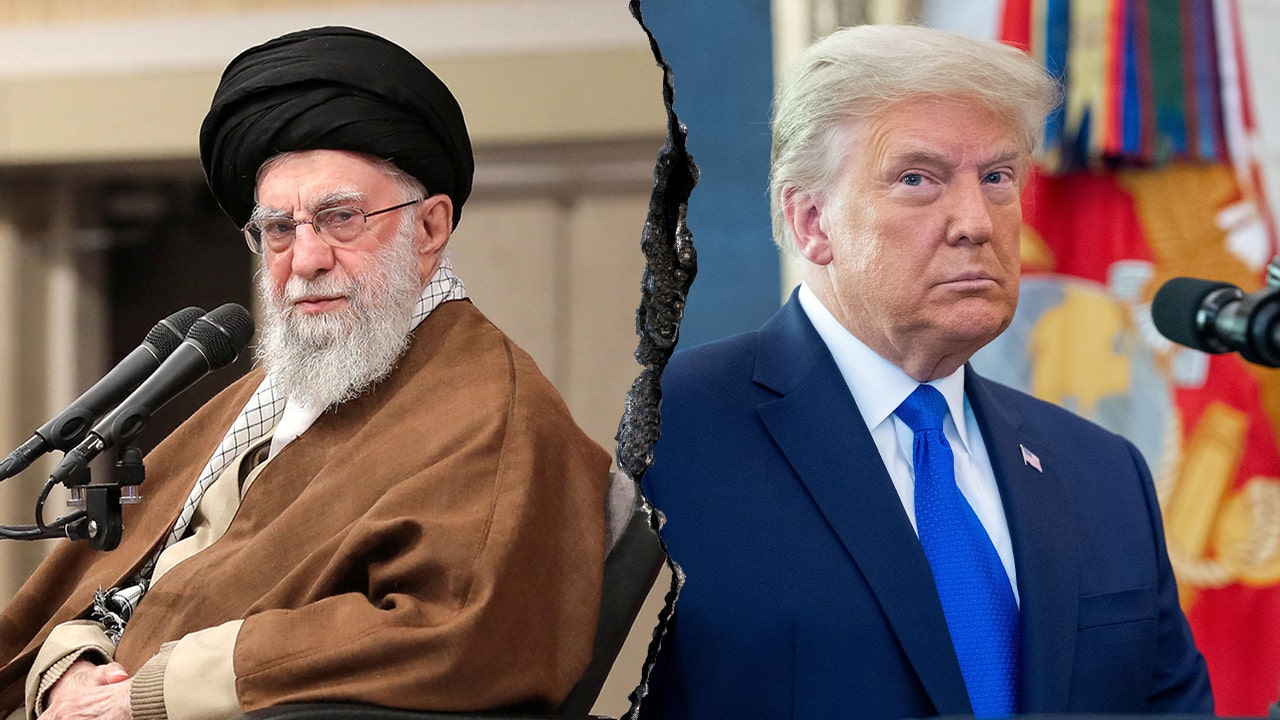
Trump Ponders Targeted Action Against Iran as Diplomatic Efforts Falter, Escalation Fears Mount
WASHINGTON D.C. – [Date] – President Donald Trump is reportedly weighing options for limited military strikes against Iranian targets, according to sources familiar with internal White House discussions. This significant development comes in the wake of a complete breakdown in a series of back-channel peace talks aimed at de-escalating tensions between Washington and Tehran. The potential for kinetic action underscores a dramatic shift in strategy, moving away from purely economic sanctions and diplomatic overtures, and highlighting the perilous state of affairs in the volatile Middle East. This consideration reflects growing frustration within the administration over Iran’s perceived recalcitrance and its continued advancements in its nuclear program and regional proxy activities, pushing the decades-long rivalry to a new, dangerous precipice.
The relationship between the United States and Iran has been fraught with tension, particularly since the Trump administration’s unilateral withdrawal from the Joint Comprehensive Plan of Action (JCPOA), or the Iran nuclear deal, in 2018. This decision was followed by a "maximum pressure" campaign, re-imposing crippling sanctions designed to choke off Iran’s oil exports and isolate its economy. While initially intended to force Iran back to the negotiating table for a "better deal," the strategy has instead led to a series of retaliatory actions from Tehran. These include scaling back its commitments under the nuclear accord, harassment of international shipping in the Persian Gulf, and alleged attacks on Saudi oil facilities and other regional interests. These actions, coupled with Iran’s steadfast refusal to entertain direct talks without preconditions, have evidently exhausted the administration’s patience with purely diplomatic avenues.
The recently collapsed "peace talks," reportedly facilitated by intermediaries from Oman and Switzerland, were designed to explore a framework for de-escalation and potential pathways for renewed dialogue. However, sources indicate these discussions failed to bridge fundamental disagreements, primarily over the scope of Iran’s nuclear program and its regional behavior. Iran’s insistence on the full lifting of sanctions before any substantive discussions, and the U.S. demand for broader concessions on ballistic missiles and regional influence, proved insurmountable.
The nature of the "limited strikes" under consideration remains a subject of intense debate within the Oval Office and the Pentagon. Intelligence assessments reportedly focus on specific military installations, missile launch sites, naval assets, or facilities linked to Iran’s Revolutionary Guard Corps (IRGC). The objective, as framed by proponents, would not be regime change or a full-scale invasion, but rather a targeted punitive action designed to restore deterrence, signal American resolve, and compel Iran to cease its provocative actions. Sources suggest discussions include precision airstrikes or sophisticated cyber operations, aimed at minimizing collateral damage and avoiding a broader conflict. The hope is that such a measured response would demonstrate the seriousness of American intent without triggering an uncontrollable regional war, a delicate balance that advisors are strenuously debating. This approach seeks to thread the needle between inaction, which critics argue emboldens Iran, and an all-out war, which carries immense human and economic costs.
The internal debate is reportedly fierce. Advocates for military action, often characterized as "hawks," argue that economic sanctions alone are insufficient to deter Iran and that a credible military threat, backed by action, is necessary to bring Tehran to heel. They point to past instances where targeted military action has altered state behavior. They contend that Iran’s continued defiance, including the enrichment of uranium beyond agreed limits and its regional proxy activities, demands a forceful response to protect U.S. interests and allies in the region. Conversely, a significant faction, including many senior military leaders and State Department officials, are sounding strong notes of caution. They highlight the immense risks of escalation, warning that even "limited" strikes could spiral into a wider conflict, drawing in regional players and potentially disrupting global energy markets. They argue that military action could unify disparate factions within Iran, strengthen hardliners, and set back any future diplomatic efforts for years. The potential for U.S. casualties, the high financial cost of military engagement, and the likely international condemnation are also weighty considerations for those urging restraint, further complicated by the political landscape in Washington and upcoming elections.
Key figures involved in these high-stakes discussions include Secretary of State Mike Pompeo, the National Security Advisor, and top Pentagon officials. While some advisors advocate for a more robust posture, others emphasize the need for diplomatic off-ramps, even as current efforts appear stalled. Internationally, the prospect of U.S. military action against Iran is met with deep concern. European allies, who have consistently sought to preserve the JCPOA and advocate for de-escalation through dialogue, would likely express strong disapproval, fearing the destabilization of the entire region. Russia and China, both permanent members of the UN Security Council and with their own strategic interests in the Middle East, would almost certainly condemn any unilateral U.S. military action, potentially complicating international efforts to address other global challenges. Regional allies like Saudi Arabia and Israel, while generally supportive of a firm stance against Iran, are also acutely aware of the potential for retaliatory attacks on their soil, further complicating the strategic calculus.
The immediate economic ramifications of even limited strikes could be significant. Global oil prices would likely spike, creating ripple effects across economies already grappling with various pressures. Shipping in vital waterways like the Strait of Hormuz, a critical chokepoint for a fifth of the world’s oil supply, could face immediate threats, exacerbating market volatility and potentially leading to widespread supply chain disruptions. Beyond economics, the geopolitical landscape of the Middle East would be irrevocably altered. A military confrontation, however limited, could ignite a proxy war on multiple fronts, empower extremist groups, and lead to an unprecedented humanitarian crisis. The long-term implications for U.S. foreign policy and its standing on the world stage would also be profound, potentially isolating Washington and undermining multilateral institutions at a time when global cooperation is critically needed for other pressing issues.
As President Trump weighs these momentous decisions, the global community holds its breath. The choice before him is stark: whether to double down on a strategy of military pressure, risking widespread regional conflict, or to find a new path to de-escalation and diplomacy, despite previous setbacks. The collapse of peace talks has evidently narrowed the diplomatic window, pushing the administration towards options that carry immense risks. The coming days and weeks will reveal whether the U.S. will embark on a path of kinetic action, irrevocably shaping the future of U.S.-Iran relations and the stability of the Middle East for years to come. The stakes could not be higher, and the world watches anxiously for signs of whether peace or conflict will prevail in this enduring standoff.