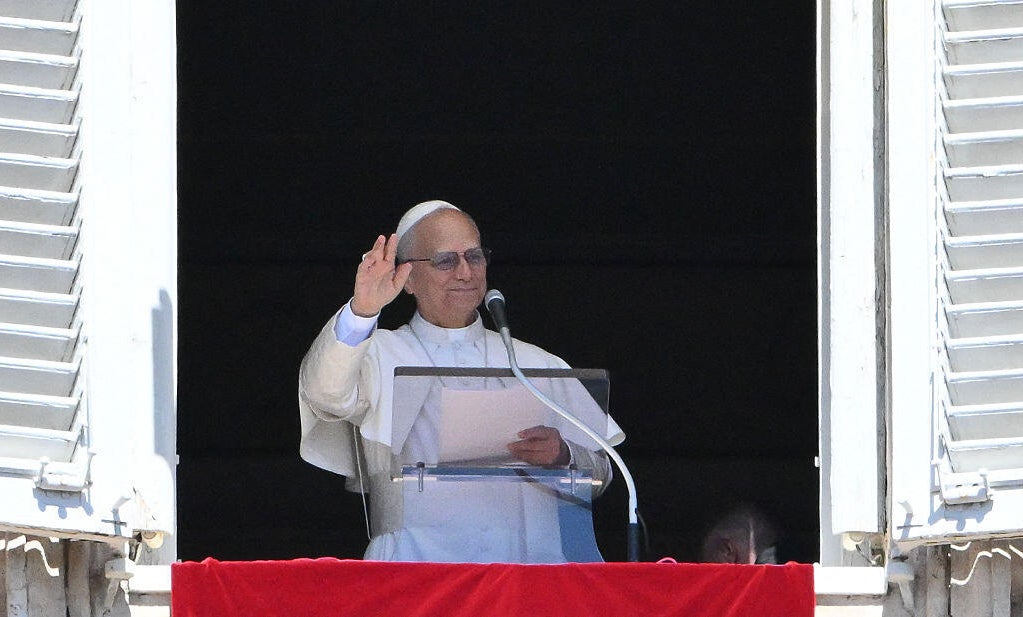
VATICAN CITY – In an extraordinary and uncharacteristically direct intervention into global geopolitics, Pope Leo XIV today delivered a scathing denouncement of what he termed the ‘delusion of omnipotence’ that he believes is dangerously propelling the United States and Israel towards a catastrophic conflict with Iran. Speaking from the solemnity of St. Peter’s Basilica, the Pontiff’s words, widely reported by Politico and other global news outlets, represent a significant moral challenge to the escalating rhetoric and military posturing in the Middle East.
“We observe with profound sorrow and growing alarm the increasingly belligerent posture adopted by powerful nations, a posture seemingly born from a conviction of their own boundless strength and moral infallibility,” Pope Leo XIV declared, his voice resonating with a mix of sorrow and urgency. “This ‘delusion of omnipotence’ is not merely a political miscalculation; it is a spiritual failing, a hubris that blinds leaders to the fragility of peace, the sanctity of human life, and the shared consequences of war.”
The Pope’s remarks arrive amidst a period of heightened regional instability, characterized by persistent Israeli warnings regarding Iran’s nuclear program, escalating US sanctions, and the intricate web of proxy conflicts stretching across the Middle East. While not explicitly naming the nations, the context of his speech left little doubt about its primary targets and the gravitas of his concern.
According to Vatican observers, the phrase ‘delusion of omnipotence’ serves as a potent theological and philosophical critique, suggesting that certain global actors perceive themselves as operating outside the bounds of conventional morality, international law, or even divine judgment. “Such a belief,” the Pope elaborated, “leads to an inevitable underestimation of adversaries, a disregard for diplomatic alternatives, and ultimately, an embrace of solutions rooted in force rather than dialogue. It is a path paved not with justice, but with destruction.”
The Holy See has historically advocated for peaceful resolution and dialogue in international disputes, but Pope Leo XIV’s directness on this occasion marks a notable escalation in the Vatican’s moral engagement. His words are likely to reverberate across diplomatic circles, forcing a reconsideration of the ethical underpinnings of military strategies and foreign policy decisions.
For years, the US and Israel have expressed deep concerns over Iran’s nuclear ambitions, alleging that Tehran seeks to develop atomic weapons, a claim Iran vehemently denies, insisting its program is for peaceful energy purposes. Israel, in particular, views a nuclear-armed Iran as an existential threat. The US, under various administrations, has maintained a policy of preventing Iran from acquiring nuclear weapons, often employing a mix of sanctions and military deterrence. The Pope’s statement implicitly challenges the moral high ground of these positions, urging a deeper introspection into the motivations driving such policies.
“When nations, in their immense power, begin to believe they can dictate the destiny of others without consequence, or that their security justifies any means, they tread a perilous path,” the Pontiff warned. “History is replete with examples where such unbridled confidence led not to triumph, but to tragic cycles of violence and unforeseen disasters. The echoes of past errors must guide our present choices, not be silenced by the clamor for power.”
The implicit message is a call for humility, a recognition of the limits of power, and an embrace of multilateralism over unilateral assertion. The potential for a wider conflict in the Persian Gulf remains a significant concern for international bodies and humanitarian organizations, fearing widespread instability, economic disruption, and an immense human cost.
Reactions to the Pope’s address are expected to be diverse. While some diplomatic circles may welcome the moral clarity and call for restraint, others might view it as an unwelcome intrusion into sovereign foreign policy. For nations like Iran, which often feels targeted by global powers, the Pope’s words might be perceived as a vindication of their narrative of victimhood.
As tensions continue to simmer, Pope Leo XIV’s intervention serves as a powerful reminder of the ethical dimensions inherent in international relations. His denouncement of the ‘delusion of omnipotence’ is more than a critique of policy; it is a profound moral and spiritual plea for global leaders to resist the temptations of unchecked power and instead embrace the difficult, yet ultimately more enduring, path of dialogue, empathy, and a shared commitment to peace.
The world now watches to see if the Pontiff’s solemn warnings can penetrate the fortified halls of power and steer the region away from the precipice of a conflict whose consequences would reverberate far beyond its immediate borders.