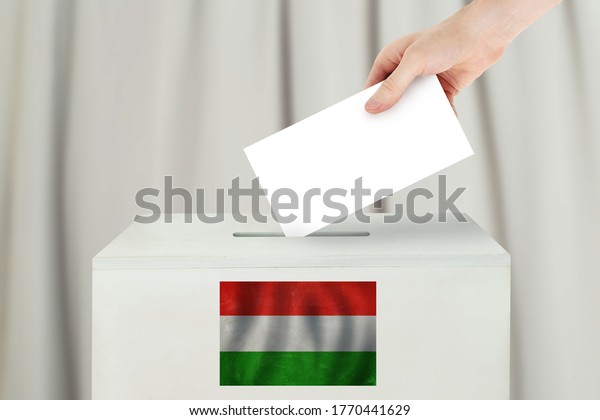
Hungarians Vote in Landmark Election Closely Watched by EU, Russia, US
BUDAPEST, Hungary – Millions of Hungarians are heading to the polls today in a pivotal parliamentary election, an event keenly observed by the European Union, Russia, and the United States. This ballot is widely seen as a referendum on Prime Minister Viktor Orbán’s decade-long rule, which has reshaped Hungary’s political landscape with a distinctive “illiberal democracy” model that frequently clashes with Brussels. The outcome will not only determine Hungary’s domestic direction but also hold significant implications for European unity, particularly concerning the ongoing war in Ukraine, and the delicate balance of power in Central Europe.
Prime Minister Orbán, leading the nationalist Fidesz party, seeks an unprecedented fourth consecutive term. His campaign has championed national sovereignty, traditional family values, and a firm stance against perceived foreign interference. During his 12 years in power, Orbán has overseen significant constitutional and institutional reforms, including changes to the judiciary and media, drawing accusations from the EU and international watchdogs of undermining democratic norms and the rule of law. Economically, his government has implemented tax cuts and family subsidies, which have resonated with a core electorate despite recent surges in inflation, now a pressing concern for many Hungarian households.
Challenging Orbán is a broad, unified coalition of six opposition parties, an unprecedented alliance led by Péter Márki-Zay, a conservative small-town mayor. This diverse bloc, spanning the political spectrum, aims to restore democratic checks and balances, combat systemic corruption, and improve Hungary’s often strained relationship with the European Union. Their formation itself marks a significant shift in Hungarian politics, representing the most serious electoral threat Orbán has faced in over a decade.
The European Union has long viewed Orbán’s government with apprehension. Brussels has initiated rule-of-law procedures against Hungary, citing concerns over judicial independence, media freedom, and the transparent use of EU funds. An Orbán victory could intensify these tensions, potentially leading to further funding disputes and an exacerbation of ideological rifts within the bloc. For the EU, this election tests its capacity to uphold democratic principles among its member states.
Hungary under Orbán has also cultivated closer ties with Russia than many of its EU and NATO allies, particularly concerning energy policy. This relationship has become a point of contention, especially following Russia’s invasion of Ukraine. Orbán has maintained a nuanced stance on the war, condemning the invasion but avoiding direct criticism of President Vladimir Putin and resisting certain EU efforts to impose tougher sanctions on Russian energy. A continuation of Orbán’s rule would likely see Budapest maintaining a more independent line on Russia, potentially complicating efforts for unified Western action. The United States, while recognizing Hungary as a NATO ally, also observes the election closely, having expressed concerns regarding democratic backsliding and Budapest’s foreign policy approach, particularly its increasingly independent stance towards Moscow.
The war in Ukraine has undeniably cast a long shadow over the election. Orbán has framed his government’s position as prioritizing Hungarian national interests and avoiding entanglement in the conflict, warning against actions that could escalate regional tensions. In contrast, the opposition generally advocates for a more robust condemnation of Russia and closer alignment with mainstream EU and NATO policies, arguing that Orbán’s stance weakens Hungary’s international standing and moral authority. The humanitarian crisis, with hundreds of thousands of Ukrainian refugees transiting or seeking refuge in Hungary, also influences public sentiment and electoral calculations.
Beyond geopolitical concerns, domestic issues such as soaring inflation, rising energy prices, and the cost of living are paramount for voters. Both Fidesz and the united opposition have campaigned on promises of economic stability and improvement. Voter turnout is expected to be high, reflecting the profound stakes of this election. Polling stations across the country opened early this morning, with citizens eager to cast their ballots in what is widely considered one of Hungary’s most consequential elections in recent history.
A victory for Viktor Orbán would solidify his “illiberal” governance model and likely lead to continued friction with the EU, while maintaining Hungary’s distinct foreign policy balancing act between East and West. An opposition triumph, though challenging given Fidesz’s control over state resources and media, would signal a potential return to more conventional European democratic norms and a realignment of Hungary’s international relations. Regardless of the outcome, the results will be meticulously analyzed by capitals worldwide, as Hungary continues to navigate its complex identity at the heart of Central Europe.
As polls close and vote counting commences, Hungary stands at a critical crossroads. The choice before its citizens today is not merely about domestic leadership, but about defining the nation’s fundamental direction and its position on the global stage. The eyes of the EU, Russia, and the United States remain intently fixed on Budapest, fully aware that the outcome will resonate far beyond Hungary’s borders, impacting regional stability and the broader geopolitical landscape.