The Shadow of the Gilded Chamber: How Seven Unelected Lords Stalled Britain’s Assisted Dying Reform
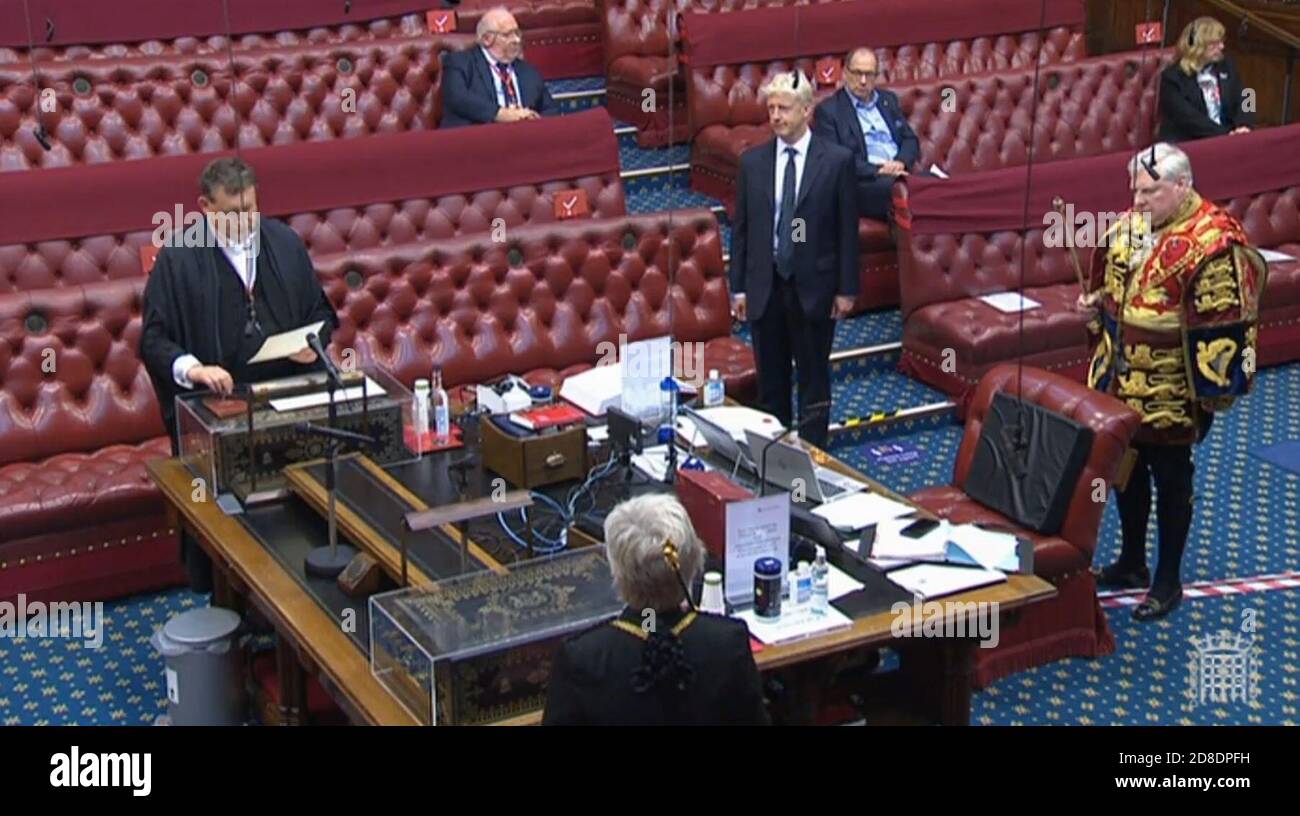
LONDON — In a dramatic confrontation between centuries-old parliamentary tradition and modern social evolution, a small group of seven unelected peers in the House of Lords has successfully stalled a landmark Assisted Dying Bill. Despite overwhelming public support and a growing momentum for legislative change, the maneuvers within the upper house of the British Parliament have effectively blocked the bill from progressing, reigniting a fierce debate over the democratic legitimacy of the UK’s second chamber. The obstruction, which took place during a critical legislative session this week, highlights the significant power still wielded by hereditary and appointed officials over matters of life and death.
The Mechanics of Obstruction: Procedural Maneuvers in Westminster
The House of Lords, often criticized as an anachronistic relic of British history, became the primary battlefield for the Assisted Dying Bill. The legislation, which sought to allow terminally ill, mentally competent adults the right to end their lives under strict medical supervision, faced a coordinated effort by a minority of peers to prevent it from reaching a final vote.
The Tactic of ‘Talking Out’ the Bill
Unlike the House of Commons, where time limits on debates are strictly enforced by the Speaker, the House of Lords operates on a system of “self-regulation.” This allows individual peers to table an unlimited number of amendments. The seven lords in question—a mix of hereditary peers and those appointed for life—utilized this loophole to submit hundreds of minor, technical amendments. By debating each one at length, they effectively “talked out” the bill, consuming all available parliamentary time allocated for the session. This procedural tactic, while legal within the rules of the House, has been described by proponents of the bill as a “cynical manipulation” of democratic processes.
A Clash of Values: Public Sentiment vs. Legislative Reality
The blocking of the bill has exposed a widening chasm between the British public and the legislative body tasked with reviewing its laws. Recent polling by organizations such as Dignity in Dying suggests that upwards of 80% of the British public supports a change in the law to allow for assisted dying in terminal cases. However, the House of Lords remains a stronghold for traditionalist views, often influenced by religious affiliations and conservative legal interpretations.
The Ethical Impasse
Opponents of the bill, led by the group of seven, argue that their intervention is a necessary safeguard. They cite concerns regarding the “slippery slope”—the fear that legalizing assisted dying for the terminally ill will eventually expand to include the disabled or those with mental health issues. Baroness Meacher, the bill’s primary sponsor, countered these claims, arguing that the lack of a regulated framework is currently forcing many to travel to Switzerland or take matters into their own hands in unsafe, solitary conditions.
Context and Background: The Unelected House
To understand how seven individuals can halt a major social reform, one must look at the unique structure of the British Parliament. The House of Lords is the only legislative chamber in a democratic country that still contains hereditary peers—men and women who inherit their right to sit in government by birthright. Additionally, it includes “Lords Spiritual,” who are bishops of the Church of England.
Over the last decade, there have been several attempts to pass assisted dying legislation. In 2015, a similar bill was defeated in the House of Commons by a wide margin. However, the political climate has shifted significantly since then. Several high-profile cases of terminal illness, coupled with the legalization of assisted dying in jurisdictions like Spain, Canada, and parts of Australia, have increased pressure on UK lawmakers. The frustration currently felt by campaigners is exacerbated by the fact that the obstruction came not from elected Members of Parliament, but from those who do not face the scrutiny of the ballot box.
Conclusion and Future Outlook
While the bill has been effectively blocked for the current session, the fallout from this week’s events is likely to be long-lasting. Pro-reform campaigners have signaled that they will not let the issue rest, intending to bring the matter back to the House of Commons, where the government may be pressured to provide the “time and space” required for a proper vote.
The intervention of the seven lords has also given new ammunition to those calling for a radical reform of the House of Lords itself. Leaders of the opposition have already suggested that an appointed chamber that can override the clear will of the public on major social issues is no longer fit for purpose. As the UK heads toward a general election, the debate over assisted dying may very well transform into a broader constitutional crisis regarding who, exactly, has the right to decide the laws of the land. For now, the terminally ill in Britain remain in a legal limbo, caught between a changing social conscience and the iron-clad traditions of an unelected elite.