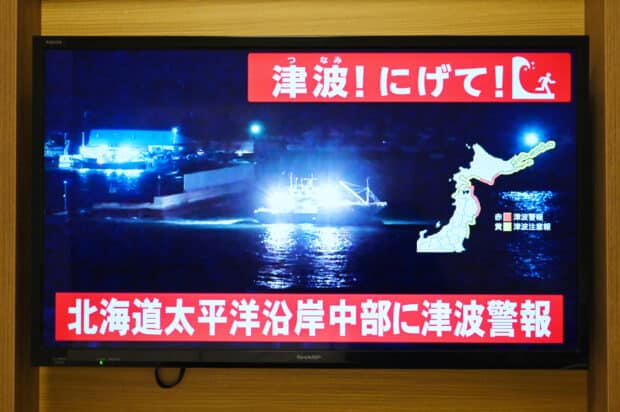
Japan Rocked by Powerful 7.7 Magnitude Quake, Triggering Tsunami Warnings and Widespread Alarm
A powerful 7.7 magnitude earthquake struck Japan’s western coast on New Year’s Day, triggering a major tsunami warning and prompting widespread evacuations across several prefectures. The quake, which hit the Noto Peninsula in Ishikawa Prefecture at approximately 16:10 local time, sent tremors through a large swathe of the main island of Honshu, collapsing buildings, igniting fires, and causing significant infrastructure damage. Authorities immediately issued a ‘major tsunami warning’ for Ishikawa, urging residents to seek higher ground, with initial wave heights exceeding a metre reported in coastal areas.
The Tremor and its Immediate Aftermath
The earthquake, with an estimated depth of just 10 kilometres, was felt across Japan, from Tokyo to Hokkaido. Its shallow depth significantly amplified its destructive potential, causing violent shaking that lasted for an extended period. The Japan Meteorological Agency (JMA) reported a series of aftershocks, many exceeding magnitude 6.0, further exacerbating the damage and hindering immediate rescue efforts. The Noto Peninsula, a region known for its rugged coastline and traditional towns, bore the brunt of the seismic activity, with reports of widespread structural failures and landslides.
The intensity of the tremor prompted an immediate response from Japan’s earthquake-alert systems, which swiftly sent warnings to mobile phones and broadcasters. Train services, including high-speed Shinkansen lines, were suspended across affected regions, and airports were temporarily closed for safety checks, disrupting travel plans for thousands observing the New Year holiday. The rapid succession of aftershocks kept residents on edge, fearing further collapses and increased danger.
Tsunami Threat and Coastal Impact
Following the initial quake, the JMA issued its highest-level ‘major tsunami warning’ for Ishikawa Prefecture, indicating waves of up to five metres were possible. While this warning was later downgraded, waves exceeding 1.2 metres were observed in Wajima Port, Ishikawa, and smaller tsunamis hit other coastal areas, including Niigata and Toyama prefectures. Residents were urged to evacuate coastal zones immediately, with scenes of people rushing to higher ground broadcast across national television. Fishing boats were capsized, and coastal roads were inundated in several locations.
The memories of the devastating 2011 Tohoku earthquake and tsunami, which claimed over 18,000 lives, remain vivid for many in Japan, making the prompt and decisive evacuation orders critical. While the current tsunami did not reach the catastrophic scale of 2011, the warnings underscored the ever-present threat faced by the island nation and the importance of its well-drilled disaster preparedness protocols.
Devastation on the Noto Peninsula
Initial reports from the hardest-hit areas painted a grim picture of devastation. In Wajima city, Ishikawa, a large fire erupted, engulfing numerous buildings and threatening to spread through the historic Asaichi market district. Emergency services struggled to reach the blaze due to damaged roads and debris. Images and videos shared by local media showed multi-storey buildings reduced to rubble, roads cracked open, and widespread power outages affecting tens of thousands of homes.
Infrastructure damage extended beyond buildings; bridges were compromised, and sections of highways became impassable, severely hampering access for rescue teams. Communication networks were also affected, making it difficult to ascertain the full extent of the damage and the number of people trapped or injured. The mountainous terrain of the Noto Peninsula further complicated rescue logistics, with fears of further landslides as aftershocks continued.
Casualties and Rescue Efforts Underway
As the immediate aftermath unfolded, reports of injuries and fatalities began to emerge. Local authorities confirmed multiple deaths, primarily in Ishikawa Prefecture, and numerous individuals sustained injuries, some severe. Emergency services, including police, fire brigades, and the Self-Defence Forces (SDF), were immediately mobilised, but their access to remote communities was severely restricted by damaged roads and impassable routes. Search and rescue operations were launched amidst the ruins, with crews working tirelessly to locate survivors trapped under collapsed structures.
The government acknowledged the challenges, with Prime Minister Fumio Kishida stating that rescuers were finding it difficult to reach the northern part of the Noto Peninsula due to severe road damage. Hospitals in the region were overwhelmed, treating a steady stream of injured individuals. The focus remained on saving lives, providing medical aid, and restoring essential services to the affected populations.
Government Mobilises Emergency Response
Prime Minister Fumio Kishida held an emergency press conference, urging residents in affected areas to remain vigilant for aftershocks and avoid returning to damaged homes. He stressed the government’s commitment to prioritising saving lives and called for all available resources to be deployed for rescue and relief efforts. The SDF dispatched personnel to the affected regions, utilising helicopters and marine vessels to assess damage and deliver aid where ground routes were cut off.
Public broadcaster NHK continuously relayed official advisories, warning against further tsunamis and urging adherence to evacuation orders. Emergency shelters were rapidly established to house thousands of displaced individuals, providing food, water, and essential supplies.
Japan’s Seismic Vulnerability and Resilience
Japan sits atop the Pacific Ring of Fire, a horseshoe-shaped zone of intense seismic activity, making it one of the world’s most earthquake-prone nations. The country has some of the strictest building codes globally, designed to withstand powerful tremors, which undoubtedly mitigated even greater catastrophe in this event. Seismologists quickly pointed to the convergence of several tectonic plates beneath the region as the cause of the powerful quake.
Despite the advanced warnings and robust infrastructure, the sheer force and shallow depth of this earthquake proved devastating. The nation’s experience with seismic events, however, has fostered a culture of resilience and preparedness that aids in swift response and recovery efforts.
Looking Ahead: Recovery and Lingering Threats
As darkness fell on New Year’s Day, the full extent of the damage and the human toll remained unclear. Rescue operations were expected to continue through the night and into the coming days, facing challenges from aftershocks, harsh weather, and logistical hurdles. The immediate focus is on life-saving, followed by the monumental task of rebuilding shattered communities. The psychological impact on residents, particularly those who lost homes or loved ones, will be profound.
Authorities continue to warn of the possibility of further significant earthquakes and tsunamis in the coming week, urging continuous vigilance. Japan faces a long road to recovery, but its history demonstrates an unwavering commitment to overcoming natural disasters through collective effort and scientific expertise.