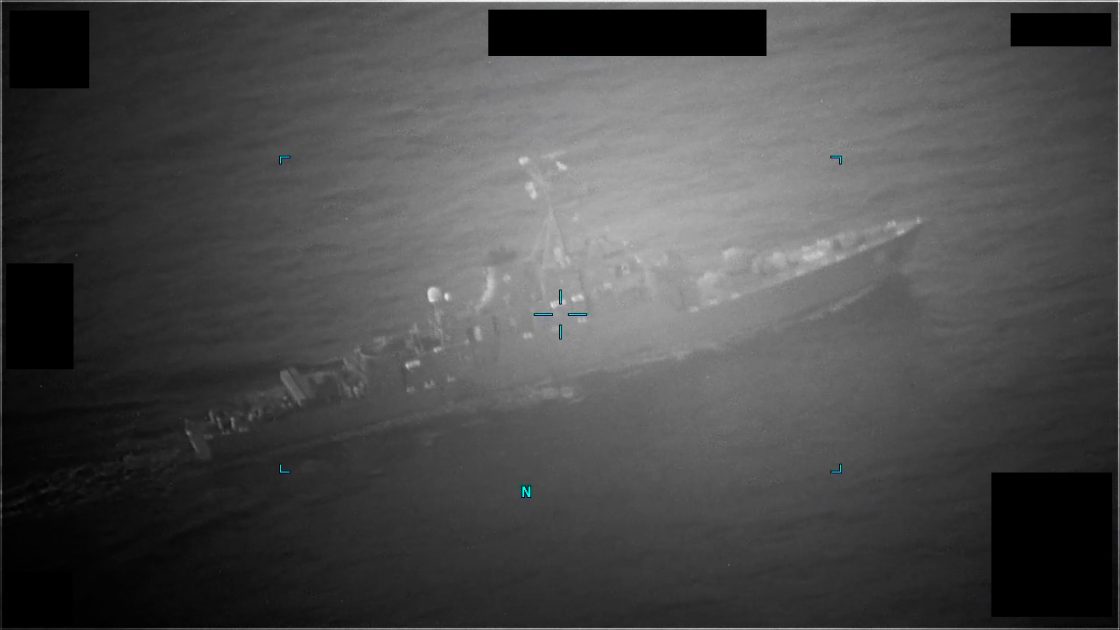
TEHRAN/DUBAI – Tensions in the volatile Strait of Hormuz have escalated dramatically following reports that Iranian forces fired upon commercial vessels in the strategic waterway, coinciding with Tehran’s imposition of stringent new restrictions on maritime traffic. The alarming development, first brought to light by outlets like the Sun Sentinel, threatens to reignite regional instability and send ripples through global energy markets, underscoring the delicate balance of power in one of the world’s most critical chokepoints.
The incident, details of which remain somewhat fluid as international bodies and naval commands seek clarity, reportedly involved Iranian naval units engaging ships traversing the narrow strait. While initial accounts from maritime security firms and intelligence sources suggest the firing constituted warning shots aimed at perceived non-compliance with new Iranian protocols, the exact nature of the confrontation and the identities of the targeted vessels are subject to ongoing investigation. No immediate reports of significant damage or casualties have emerged, but the mere act of aggression by a state navy against commercial shipping carries profound implications for freedom of navigation and international law.
The Strait of Hormuz: A Global Lifeline Under Duress
Connecting the Persian Gulf with the Arabian Sea and beyond, the Strait of Hormuz is arguably the world’s most vital oil transit route. An estimated one-fifth of global oil consumption, alongside a significant portion of liquefied natural gas (LNG), passes through its waters daily. Its strategic importance makes any disruption a potential catastrophe for the global economy, directly impacting energy prices and supply chains worldwide. Historically, the Strait has been a flashpoint for regional and international rivalries, witnessing numerous incidents involving naval forces, piracy, and state-sponsored aggression.
Iran, which borders the Strait on its northern coast, has long asserted its prerogative over the waterway, often threatening to close it in response to perceived threats or economic sanctions. These threats are not idle; past incidents, including tanker seizures and attacks on shipping, attest to Iran’s willingness to exert its influence, often in retaliation for perceived foreign aggression or the tightening of international sanctions aimed at crippling its economy and nuclear program. The current backdrop of stalled nuclear talks and ongoing sanctions against Tehran provides a fertile ground for such assertive actions.
Tehran’s New Restrictions: A Challenge to Maritime Law
Adding another layer of complexity to the already fraught situation, Iran has announced and begun enforcing new, expansive restrictions on maritime traffic within portions of the Strait. While the precise details of these restrictions are still being parsed by international shipping authorities and legal experts, preliminary information suggests they include new requirements for vessel identification, increased scrutiny of cargo manifests, and potentially mandatory stops for inspection. Iranian state media, while acknowledging the new protocols, frames them as necessary measures for national security and environmental protection, citing a need to better monitor and regulate traffic in its territorial waters.
However, critics and international maritime organizations view these unilateral actions with deep suspicion. The United States Fifth Fleet, headquartered in Bahrain and responsible for naval operations in the region, has reportedly condemned the restrictions as a violation of international maritime law and an unwarranted obstruction to freedom of navigation. Allied nations, including the United Kingdom and France, have echoed these concerns, calling for immediate de-escalation and adherence to established international norms governing passage through straits used for international navigation.
International Reaction and Economic Fallout
The immediate international reaction has been one of alarm and condemnation. Diplomats from major powers are reportedly engaging in urgent consultations, seeking to understand Tehran’s motivations and prevent further escalation. Oil prices, already subject to global economic anxieties, saw an immediate uptick following the reports, reflecting market fears of supply disruptions. Insurance premiums for vessels operating in the Gulf are expected to surge, adding significant costs to an already expensive trade route and potentially leading to higher consumer prices for energy and goods globally.
Analysts suggest that Iran’s actions could be a multi-pronged strategy: a demonstration of force to deter adversaries, a bargaining chip in ongoing diplomatic stalemates, or a domestic political maneuver. Regardless of the underlying motive, the outcome is a dangerous increase in regional instability. The international community faces a delicate balancing act: asserting the principle of freedom of navigation without provoking a wider conflict that could have devastating economic and human costs.
Path Forward: Diplomacy or Confrontation?
The coming days will be crucial in determining the trajectory of this latest crisis. Calls for de-escalation and diplomatic engagement are intensifying, with the United Nations and various regional actors urging all parties to exercise restraint. However, the efficacy of diplomacy remains uncertain given the deep-seated mistrust and conflicting interests that characterize the region. The United States, along with its allies, will likely bolster its naval presence in the area as a deterrent, further militarizing an already tense environment.
The incident in the Strait of Hormuz serves as a stark reminder of the enduring fragility of peace in the Middle East and the interconnectedness of global security and economy. As Tehran tightens its grip and fires warning shots, the world watches nervously, hoping that this latest challenge to international shipping can be resolved without spiraling into a wider confrontation that no nation can truly afford.