Iran-US Talks Pivot to Interim Nuclear Deal Amid Deepening Divisions, Reuters Reports
WASHINGTON D.C./TEHRAN – [Current Date] – In a significant shift from previous efforts to revive the 2015 nuclear accord, indirect negotiations between Iran and the United States have increasingly focused on an interim deal, Iranian sources close to the talks have indicated, as reported by Reuters. This pragmatic pivot comes amidst persistent, deep-seated rifts over Iran’s escalating nuclear activities and the scope of sanctions relief, suggesting a mutual desire to de-escalate tensions and buy time, rather than pursuing an immediate, comprehensive return to the Joint Comprehensive Plan of Action (JCPOA).
Background: A Stalemate and the Road to De-escalation
The original JCPOA, which offered Iran sanctions relief in exchange for curbs on its nuclear program, began to unravel in 2018 when then-President Donald Trump unilaterally withdrew the U.S. and reimposed crippling sanctions. Iran, in response, gradually began to breach the deal’s restrictions, enriching uranium to higher purities and installing advanced centrifuges, far exceeding the limits set by the accord.
For over two years, attempts to fully revive the JCPOA have been fraught with challenges. Numerous rounds of talks in Vienna stalled, primarily due to disagreements on several key issues: the sequence of U.S. sanctions removal, Iran’s demands for guarantees that a future U.S. administration would not abandon the deal again, and the extent of Iran’s compliance rollbacks. The increasing sophistication of Iran’s nuclear program has also raised concerns, with many analysts suggesting that the ‘breakout time’ – the time Iran would need to produce enough fissile material for a nuclear weapon – has dramatically shortened, making a return to the original deal increasingly complex.
Against this backdrop of heightened tension and a perceived diplomatic dead end, the idea of an interim agreement has gained traction. Sources from Tehran suggest that both sides are seeking a less ambitious, more immediate arrangement to prevent a full-blown crisis, stabilize the regional security environment, and create a pathway for further negotiations on a long-term solution.
The Proposed Interim Framework: What Could it Entail?
While details remain fluid and unconfirmed by official channels, Iranian sources have alluded to a potential interim deal that would involve Iran agreeing to freeze or curb certain aspects of its nuclear program in exchange for limited sanctions relief. Possible elements include:
- Reduced Enrichment: Iran might agree to stop enriching uranium to 60% purity and possibly even dilute its existing 60% stockpile. This would be a significant de-escalatory step, as 60% purity is a short technical step away from weapons-grade 90% enrichment.
- Enhanced Monitoring: Tehran could consent to increased transparency and monitoring by the International Atomic Energy Agency (IAEA), potentially including re-instatement of monitoring equipment removed after the U.S. withdrawal from the JCPOA.
- Limited Sanctions Relief: In return, the U.S. might offer some targeted sanctions relief, perhaps allowing Iran to export a certain amount of oil, unfreeze some of its assets abroad, or facilitate trade in humanitarian goods. This relief would be significantly less than what was envisioned in the original JCPOA but enough to provide some economic breathing room for Tehran.
- Prisoner Swaps: A humanitarian component, such as the exchange of imprisoned nationals, often accompanies such diplomatic overtures and could be a goodwill gesture built into an interim arrangement.
Such a deal would not aim to solve all outstanding issues but rather to establish a period of de-escalation, during which further, more comprehensive talks could potentially occur. For Iran, it offers a measure of economic relief without fully capitulating on its nuclear advancements. For the U.S., it temporarily rolls back Iran’s most concerning nuclear activities without requiring a complete dismantling of its sanctions architecture, a move that faces strong opposition domestically and from regional allies.
Deep Divisions Remain: Obstacles to a Lasting Peace
Despite the pragmatic shift towards an interim deal, the fundamental disagreements that derailed previous talks persist. Iran continues to demand a full and verifiable lifting of all sanctions imposed since 2018, arguing that these sanctions are illegal and have crippled its economy. The U.S., on the other hand, insists that Iran must return to full compliance with the JCPOA’s limits before any substantial sanctions relief can be granted.
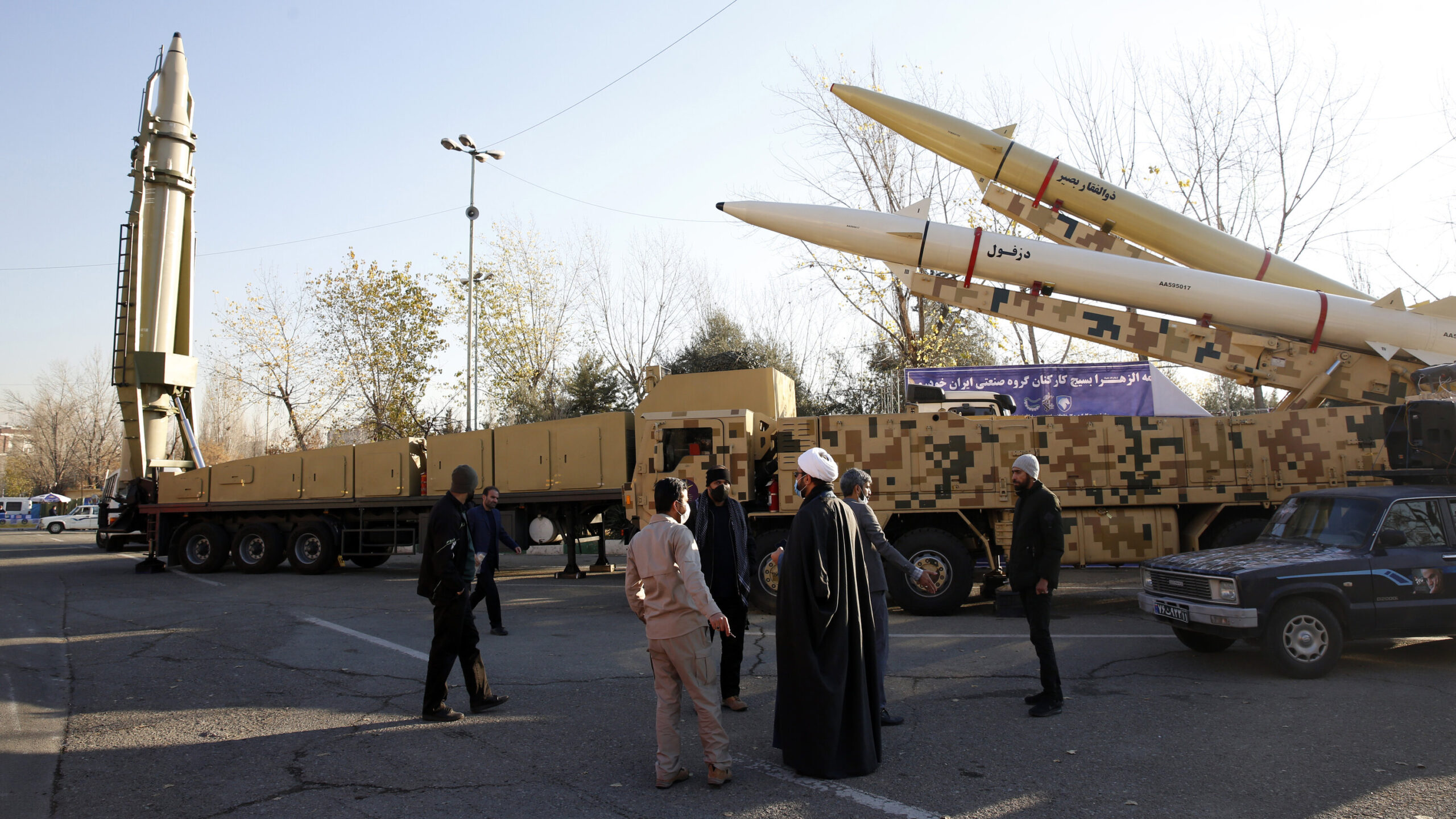
The issue of centrifuges, particularly the advanced models Iran has installed, remains a sticking point. While an interim deal might address enrichment levels, the sheer number and type of centrifuges Iran now possesses significantly shorten its potential breakout time, a concern that a temporary agreement might not fully resolve. Furthermore, Iran’s ballistic missile program and its regional activities, while not part of the original JCPOA, are issues the U.S. and its allies wish to address in any long-term arrangement, complicating the path forward.
Regional players, particularly Israel and some Gulf states, view any form of sanctions relief for Iran with apprehension, fearing it could empower Tehran’s regional proxies and destabilize the Middle East. They advocate for a stronger, more comprehensive deal that permanently curbs Iran’s nuclear ambitions and addresses its broader security footprint.
An Uncertain Path Forward
The shift towards an interim deal reflects a recognition by both Washington and Tehran that a complete revival of the JCPOA in its original form is currently out of reach. While an interim agreement could prevent an immediate crisis and provide a crucial diplomatic window, its success hinges on careful negotiation, mutual trust-building, and a shared commitment to de-escalation. The process is fraught with political complexities on both sides, making the outcome uncertain.
For now, the focus remains on whether a temporary arrangement can be forged to bridge the immense divide, stabilize a volatile situation, and perhaps, lay the groundwork for a more lasting peace in the future. The international community watches closely as the delicate, indirect dance between Iran and the U.S. unfolds, with the stakes – regional stability and nuclear non-proliferation – higher than ever.