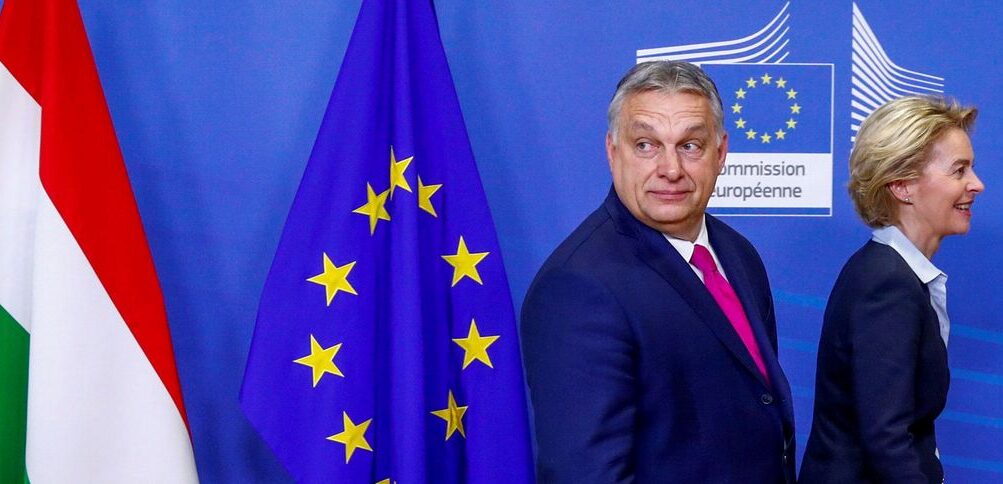
BUDAPEST – In a seismic political shift that has reverberated across Europe, Hungary’s unified opposition has secured a stunning landslide victory in the recent general election, ending over a decade of conservative rule and ushering in an era poised for significant domestic reforms and a crucial thaw in strained relations with the European Union. Reuters reports the outcome signals a profound public desire for change, with citizens voting overwhelmingly for democratic norms, transparency, and a more collaborative international stance.
The triumph marks the end of an era dominated by Prime Minister Viktor Orbán and his Fidesz party, which had cultivated a unique brand of “illiberal democracy” that frequently put Budapest at loggerheads with Brussels. For years, Orbán’s government faced criticism for its policies on the rule of law, media freedom, judicial independence, and its handling of migration, leading to protracted disputes and the withholding of significant EU funds. This election, however, clearly repudiates that direction, with the populace opting for renewed integration and adherence to core European values.
The opposition coalition, branded “United for Hungary,” brought together a disparate group of parties ranging from greens and liberals to conservatives and a reformed far-right, all united by the common goal of unseating Orbán. Led by charismatic independent candidate Anna Kovács, a former diplomat and pro-European advocate, the coalition managed to overcome deep ideological differences to present a cohesive front. Their campaign focused on tackling corruption, reforming public services, enhancing democratic institutions, and repairing Hungary’s international image. The unprecedented turnout and scale of the victory surprised many analysts, underscoring the deep undercurrent of discontent in Hungarian politics.
Domestically, the incoming government faces an ambitious agenda of reforms. Top priorities include restoring the independence of the judiciary, which critics argue had been systematically undermined under Fidesz. Legislation is expected to strengthen media pluralism and ensure a level playing field for all news outlets, reversing trends of state-controlled media dominance. Anti-corruption measures, including the establishment of an independent anti-graft agency, are also high on the list, aiming to address persistent concerns about the misuse of public funds and cronyism that have plagued the country for years.
Economically, the new administration anticipates fostering greater market competition and attracting foreign investment through a stable regulatory environment. There’s also talk of reforming the education system and healthcare, areas that have seen significant underfunding and emigration of skilled professionals in recent years. “The Hungarian people have spoken clearly,” stated Anna Kovács in her victory speech, “They want a Hungary where the law is supreme, where opportunities are fair, and where our children can build a future based on merit, not connections.”
Perhaps the most immediate and impactful change will be seen in Hungary’s relationship with the European Union. Under Orbán, Hungary frequently vetoed EU decisions, challenged core European principles, and pursued alliances with non-EU states that often ran counter to the bloc’s foreign policy objectives. The new government has explicitly committed to a “constructive and cooperative” approach, signaling a willingness to engage meaningfully in dialogues regarding the rule of law mechanisms and to align more closely with mainstream European policy positions. This pivot is expected to unlock billions in frozen EU recovery funds, boosting the Hungarian economy.
Brussels has already signaled cautious optimism regarding the election outcome. A senior EU official, speaking anonymously to Reuters, remarked, “This offers a real chance for a reset. We look forward to working with the new Hungarian government to strengthen our common values and ensure Hungary plays its full, constructive role within the Union.” This shift is not merely symbolic; it could profoundly alter EU dynamics, potentially weakening the bloc of “illiberal” member states Orbán cultivated, and strengthening the pro-democracy camp.
However, the path ahead for Anna Kovács and “United for Hungary” is fraught with challenges. Dismantling extensive patronage networks and reversing ingrained political habits will require immense political will and shrewd negotiation. The new government must also maintain unity within its ideologically diverse coalition, manage public expectations for rapid change, and navigate a complex geopolitical landscape, particularly concerning the ongoing conflict in Ukraine and its economic repercussions. Rebuilding trust both at home and abroad will be a long process, but the landslide victory provides a strong mandate for change.
As Hungary embarks on this new chapter, the world will be watching closely. The election result is more than a domestic political event; it sends a powerful message that even where democratic norms have been challenged, the electorate has the power to demand accountability and steer the nation towards democratic renewal and international cooperation. The coming months will test the resolve and capability of the new leadership, but the promise of reform and a revitalized engagement with the EU offers a beacon of hope for Hungary and for European democracy as a whole.