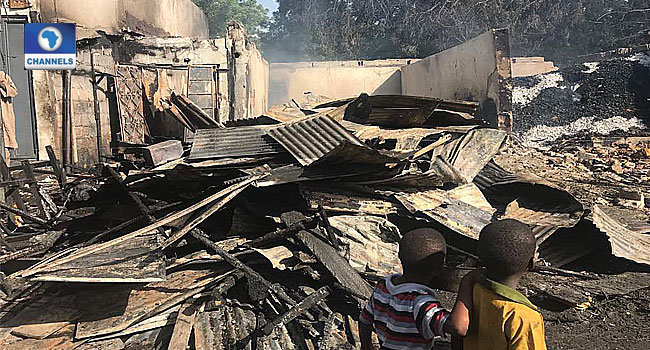
Maiduguri, Nigeria – Panic and tragedy gripped a bustling market in Tudun Biri village, Igabi Local Government Area of Borno State, Nigeria, on Sunday, as reports emerged of a devastating air strike that is feared to have claimed the lives of numerous civilians and left scores injured. The incident, which occurred amidst the regular Sunday market activity, has sent shockwaves across the region, sparking outrage and renewed calls for caution in military operations targeting insurgents in the conflict-ridden northeastern part of the country. Initial reports, citing local residents and aid workers, paint a grim picture of widespread casualties, with the true extent of the tragedy still unfolding.
Eyewitnesses recounted scenes of absolute horror as a suspected military drone or jet indiscriminately released ordnance on the market, a hub of economic activity for surrounding communities. The vibrant market, usually teeming with traders and shoppers, was instantly transformed into a scene of chaos, with structures collapsing, goods scattering, and people running in every direction amidst the smoke and screams. While the Nigerian military has yet to issue an official statement on the incident, local sources and humanitarian workers on the ground suggest the strike was a catastrophic error, mistakenly targeting civilians instead of identified militant positions.
Though official figures remain elusive, various accounts suggest a significant death toll. Community leaders and local vigilante groups were reportedly among the first responders, frantically attempting to rescue survivors from the debris and transport the injured to nearby medical facilities, which are often ill-equipped to handle mass casualty events. The remote nature of Tudun Biri, coupled with security challenges, has complicated immediate rescue and recovery efforts, making it difficult to ascertain the precise number of fatalities and wounded. Medical personnel in Maiduguri and other areas are bracing for an influx of critically injured patients.
This tragic incident unfolds against the backdrop of a protracted and brutal insurgency waged by Boko Haram and its splinter faction, the Islamic State West Africa Province (ISWAP), in Nigeria’s northeast for over a decade. The conflict has claimed tens of thousands of lives, displaced millions, and crippled the region’s economy. The Nigerian military has been actively engaged in counter-insurgency operations, often relying on air power to target militant hideouts and supply lines. However, the use of air strikes in civilian-dense areas has always carried inherent risks, leading to previous instances of accidental civilian deaths.
Indeed, this is not the first time the Nigerian military has been accused of civilian casualties in what it describes as anti-insurgency operations. Several high-profile incidents over the past few years have seen military aerial bombardments mistakenly hit civilian gatherings. Notable among these was the 2017 Rann IDP camp bombing, which killed over 100 people, and another in 2021 in Yobe State, also resulting in civilian deaths. Each time, such incidents have drawn sharp condemnation from human rights organizations and the international community, underscoring the critical need for precision and adherence to international humanitarian law.
As pressure mounts for clarity and accountability, the Nigerian government and military are expected to launch an investigation into the circumstances leading to the Tudun Biri air strike. Previous responses to similar incidents have often involved expressions of regret, promises of thorough investigations, and pledges to prevent future occurrences. However, critics argue that such investigations rarely lead to public accountability or significant systemic changes, further eroding public trust in the military’s operations, particularly among communities already bearing the brunt of the insurgency.
The humanitarian consequences of this latest tragedy are profound. Beyond the immediate loss of life and injuries, the incident will undoubtedly exacerbate the already dire humanitarian crisis in Borno State. Many market traders rely on daily earnings for survival, and the destruction of the market represents a significant blow to livelihoods. Furthermore, the fear and trauma inflicted upon the survivors and the broader community will have long-lasting psychological effects, potentially leading to further displacement and mistrust of security forces who are ostensibly there to protect them.
Human rights groups, both local and international, have swiftly condemned the alleged strike and called for an immediate, transparent, and independent investigation. They emphasize the importance of identifying those responsible and ensuring they are held accountable for any breaches of international law. Such investigations are crucial not only for justice but also for restoring confidence among affected populations and demonstrating a commitment to protecting civilian lives, which is paramount in any armed conflict.
The recurring nature of these “accidental” bombings risks severely undermining the Nigerian military’s credibility and the broader counter-insurgency effort. For communities trapped between the violence of insurgents and the occasional deadly errors of state forces, the line between protector and aggressor becomes blurred. This erosion of trust can complicate intelligence gathering, hinder cooperation with local populations, and inadvertently create fertile ground for extremist groups to exploit grievances.
Internationally, the incident will likely draw scrutiny from human rights watchdogs and international bodies concerned with civilian protection in conflict zones. The United Nations and other global advocacy groups routinely monitor such incidents, urging all parties to conflicts to uphold their obligations under international humanitarian law. The Borno market strike serves as a stark reminder of the devastating human cost of prolonged conflict and the urgent need for enhanced precision and intelligence in military operations to prevent civilian harm.
As the people of Tudun Biri grapple with their devastating loss, the focus must now shift to providing immediate humanitarian aid to the victims and their families, ensuring adequate medical care for the injured, and conducting a thorough investigation that yields tangible results. Only through genuine accountability and concrete measures to prevent such tragedies can the Nigerian government begin to rebuild the trust of its citizens and effectively combat the insurgency while safeguarding precious civilian lives. The eyes of the nation, and indeed the world, will be watching.