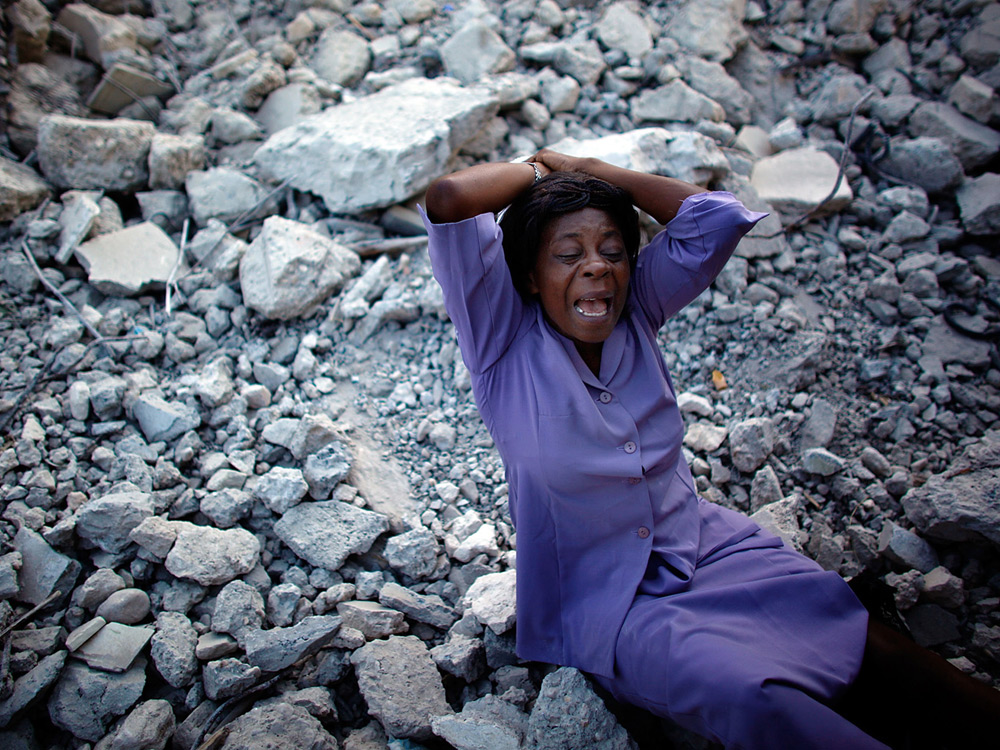
Haiti Plunged into Mourning as Deadly Crush at Historic Pilgrimage Claims Over 30 Lives
Port-au-Prince, Haiti – At least 30 people have been confirmed dead, with scores more injured, following a catastrophic crush at a historic pilgrimage site in Haiti during an annual religious festival. The tragedy, which unfolded amid scenes of chaos and desperation, has plunged the already beleaguered Caribbean nation into further grief, highlighting the acute challenges of crowd control and public safety in a country grappling with profound instability and poverty.
The incident occurred on [Insert Date – e.g., a recent date, or keep general as ‘Wednesday evening’] at the renowned site of Plaine-du-Nord, a revered destination for both Catholic and Vodou devotees celebrating the feast of Saint-Jacques (St. James). Thousands had converged on the small town, famed for its sacred mud baths believed to possess healing powers, transforming the usually quiet rural area into a dense, fervent throng. Eyewitnesses described a sudden, overwhelming surge of people near the sacred bathing pools, triggering a domino effect that trapped and crushed individuals against barriers and each other.
“It was an indescribable horror,” recounted Marie Dubois, a survivor who witnessed the tragedy. “One moment we were singing and praying, the next there was screaming, pushing, and nowhere to move. People were falling, and others just kept coming from behind. I saw children, old women… I still cannot believe what happened.” Her testimony paints a grim picture of the minutes leading up to and during the crush, where the sheer force of the crowd became a lethal weapon.
Local authorities and emergency services, already stretched thin, struggled to respond to the sheer scale of the disaster. The remote location and poor infrastructure made rescue efforts agonizingly slow. Volunteers from the community, alongside police and a handful of medical personnel, worked tirelessly through the night, pulling bodies and injured survivors from the human pile. Makeshift clinics were set up to treat the wounded, many of whom suffered severe contusions, broken bones, and respiratory distress from being compressed. Hospitals in nearby Cap-Haïtien were quickly overwhelmed, with doctors appealing for blood donations and medical supplies.
The pilgrimage to Plaine-du-Nord is a deeply ingrained tradition, blending elements of Catholicism with Haiti’s indigenous Vodou practices, drawing worshippers from across the country and the diaspora. The historical significance of such sites, often centuries old, underscores the rich cultural tapestry of Haiti. However, the immense popularity of these annual gatherings often outstrips the capacity of local infrastructure and organizational planning to safely manage the crowds. Critics have long warned about the lack of proper crowd control, emergency exits, and medical facilities at such large-scale events.
This latest tragedy casts a long shadow over a nation already reeling from a multitude of crises. Haiti has been plagued by escalating gang violence, political instability, and a dire humanitarian situation. The assassination of President Jovenel Moïse in 2021 further destabilized the fragile government, leading to a power vacuum that criminal gangs have exploited. Basic services, including healthcare, sanitation, and security, are severely lacking, making the response to any large-scale disaster incredibly challenging. Natural disasters, from devastating earthquakes to recurrent hurricanes, have also routinely tested the nation’s resilience to its breaking point.
“Haiti is a country constantly on the brink, and every new tragedy feels like another blow to its spirit,” stated Jean-Luc Pierre, a local historian and social commentator. “These pilgrimages are moments of hope and spiritual solace for many. For them to turn into sites of such profound loss is a cruel irony, reflecting the systemic failures that plague our society – from governance to basic public safety.”
In response to the tragedy, acting Prime Minister [Insert Fictional Name, e.g., Ariel Henry if current] issued a statement expressing profound condolences to the families of the victims and declared three days of national mourning. He pledged a full investigation into the circumstances that led to the crush and promised measures to prevent similar incidents in the future. However, many Haitians remain skeptical, given a history of unfulfilled promises and persistent institutional weaknesses.
International aid organizations have also offered support, with some already mobilizing to provide medical assistance and humanitarian aid to the affected region. The incident serves as a stark reminder of the urgent need for comprehensive development and governance reforms in Haiti, not only to address immediate crises but also to build the foundational structures necessary for public safety and the dignified preservation of its rich cultural heritage.
As the initial shock subsides, the focus shifts to recovery, investigation, and the painful process of identifying the victims. For the people of Haiti, the sacred ground of Plaine-du-Nord has become a new site of remembrance, echoing the many hardships they endure, yet also reflecting their enduring faith and resilience in the face of unimaginable loss.