Mali Plunges Deeper into Chaos: Defense Chief Killed Amid Sweeping Jihadi and Rebel Offensives
BAMAKO, Mali – In a devastating escalation of Mali’s decade-long insurgency, the West African nation’s defense chief, General Sékou Konaté, was killed over the weekend as a potent coalition of jihadist groups and Tuareg rebels launched a series of coordinated offensives, seizing key towns and multiple military bases across northern and central Mali. The assassination of such a high-ranking military figure, confirmed by official sources early Monday, represents a profound blow to the transitional government’s authority and a stark reminder of the escalating security crisis gripping the Sahel region. The coordinated attacks have effectively dismantled significant portions of the Malian Armed Forces’ (FAMa) presence in the north, pushing the country further into instability.
A Nation on Edge: The Killing of General Konaté
Details of the Assassination
General Sékou Konaté, a revered figure within the Malian military and a staunch proponent of the fight against extremism, was reportedly killed in an ambush on Sunday evening while inspecting troops near the town of Kidal, which had fallen to rebel forces just hours prior. According to preliminary reports from Malian state television, General Konaté’s convoy was targeted by an improvised explosive device (IED) followed by heavy small-arms fire. Several other high-ranking officers and an unspecified number of soldiers were also reportedly killed in the meticulously planned attack, believed to be orchestrated by elements of the Jama’at Nusrat al-Islam wal Muslimeen (JNIM), an al-Qaeda affiliate, operating in concert with local rebel factions.
Impact on the Malian Military Command
The death of General Konaté sends shockwaves through Mali’s already beleaguered military. A veteran commander with decades of experience, his leadership was considered crucial in coordinating government efforts against the multifaceted threats. His assassination creates an immediate vacuum at the apex of military command, potentially crippling strategic planning and significantly impacting troop morale. Analysts suggest that this calculated act not only removes a key adversary for the insurgent groups but also aims to sow chaos and distrust within the military hierarchy, further weakening the state’s capacity to respond effectively.
Coordinated Assault: Rebels and Jihadis Seize Strategic Strongholds
Key Towns Fall: Kidal, Menaka, and Beyond
The weekend’s onslaught saw a rapid succession of territorial losses for the Malian government. The strategically vital city of Kidal, long a flashpoint and a symbol of Tuareg separatist aspirations, fell to the Coordination of Azawad Movements (CMA) and allied groups after intense fighting. This loss is particularly significant as Kidal serves as a major logistical hub in the north. Concurrently, other rebel and jihadi factions overran Menaka, Ansongo, and several smaller localities in the Gao and Timbuktu regions, effectively isolating major population centers and disrupting critical supply lines. Eyewitness accounts describe swift, well-equipped offensives that overwhelmed FAMa outposts.
Overrunning Military Bases
Beyond urban centers, the insurgents also targeted and successfully captured several critical military bases. Reports indicate that the camps in Ménaka, Tessalit, and Aguelhok were overrun, with insurgents seizing substantial caches of weapons, ammunition, and military vehicles. The loss of these bases not only deprives FAMa of vital infrastructure but also provides the attacking groups with enhanced combat capabilities and intelligence. The coordinated nature of these attacks, striking simultaneously across a broad geographical area, suggests a sophisticated level of planning and communication among the disparate rebel and jihadi elements, despite their often-divergent ultimate goals.
Government Response and International Silence
Transitional Government’s Stance
Mali’s transitional military government, led by interim President Colonel Assimi Goïta, has declared a period of national mourning for General Konaté and vowed swift and decisive retaliation against those responsible. In an emergency televised address, a government spokesperson condemned the attacks as acts of terrorism and a direct challenge to Malian sovereignty, urging national unity. However, concrete details regarding counter-offensives or how the government plans to reclaim lost territory remain scarce, fueling public anxiety and fears of further instability.
Regional and International Reactions
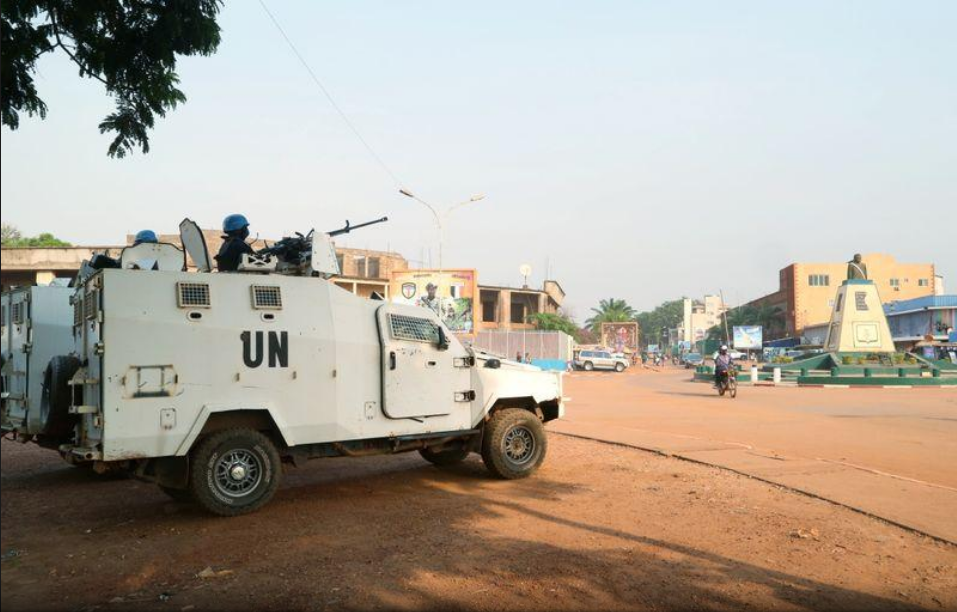
The international community has largely reacted with concern, though immediate action remains elusive. The Economic Community of West African States (ECOWAS) issued a statement condemning the violence and calling for restraint, while the United Nations mission in Mali (MINUSMA), currently in the process of withdrawing its forces, expressed deep regret over the loss of life. Western powers, whose engagement in Mali has significantly diminished in recent years, have yet to issue robust statements, reflecting the diplomatic isolation of the Malian junta and the shifting geopolitical landscape in the Sahel.
Mali’s Decades-Long Struggle: A Fragile State
Roots of the Insurgency
Mali’s current crisis is deeply rooted in a complex history of political instability, ethnic grievances, and economic marginalization, exacerbated by regional dynamics. The current wave of insurgency began in 2012 with a Tuareg rebellion in the north, which was quickly hijacked by jihadist groups. Despite subsequent French military interventions (Operation Serval, then Barkhane) and a robust UN peacekeeping mission, the extremist threat morphed and spread, exploiting state weaknesses and preying on local grievances. The country has endured two military coups since 2020, further undermining democratic institutions and alienating international partners.
Withdrawal of International Forces
A critical factor in the current escalation is the ongoing withdrawal of MINUSMA, mandated by the Malian junta. This withdrawal, coupled with the earlier departure of French counter-terrorism forces, has created significant security vacuums that insurgent groups are now adeptly exploiting. While the Malian government has increasingly turned to Russian paramilitary contractors, their presence has not yet translated into a decisive advantage against the well-entrenched and adaptable jihadi and rebel factions.
Uncertain Future: A Bleak Outlook for Mali
The killing of General Konaté and the sweeping territorial gains by rebels and jihadists mark a grim turning point for Mali. The transitional government faces an unprecedented challenge, struggling to project authority and secure its borders in the face of a resurgent and emboldened enemy. The immediate future portends a deepening humanitarian crisis, with increased displacement of populations and severe disruptions to aid delivery. Regionally, the instability in Mali threatens to spill over into neighboring Niger and Burkina Faso, both grappling with their own jihadi insurgencies, potentially destabilizing the entire Sahel. The path forward for Mali’s military junta is fraught with peril, with options ranging from renewed negotiations to an increasingly brutal and protracted conflict, further isolating the nation on the world stage.