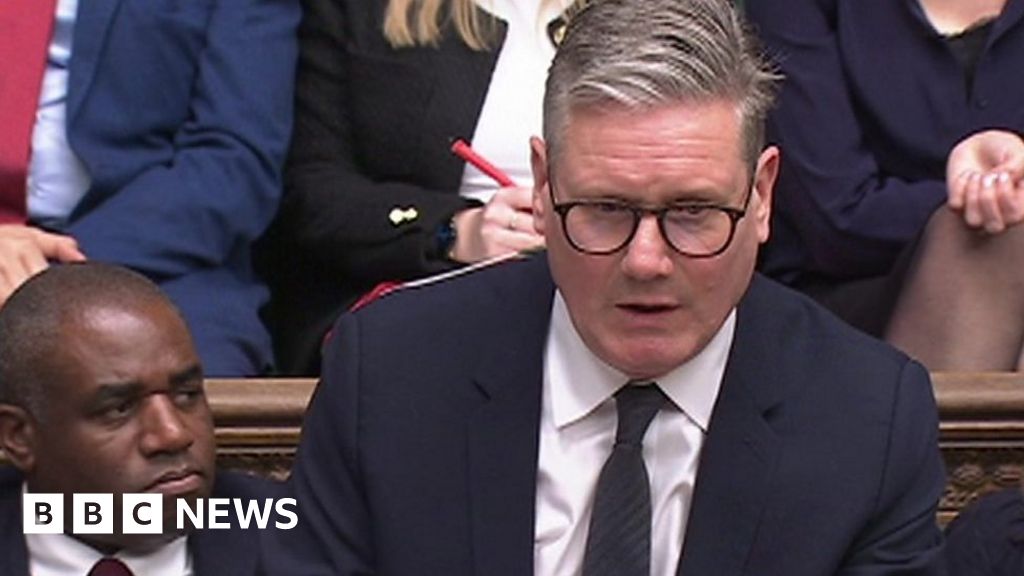
Starmer Pledges Definitive Action on IRGC Terror Listing in Upcoming Parliamentary Session
LONDON — In a move that signals a hardening of the United Kingdom’s stance toward the Islamic Republic of Iran, Prime Minister Keir Starmer has pledged that his government will move to address the status of the Islamic Revolutionary Guard Corps (IRGC) in the next parliamentary session. Speaking to reporters and members of the House of Commons, Starmer indicated that the mechanisms for proscribing the IRGC as a terrorist organization are under active review, with a definitive legislative path expected to emerge shortly. The announcement follows years of escalating pressure from both sides of the political aisle, human rights organizations, and the Iranian diaspora, all of whom argue that the IRGC constitutes a direct threat to British national security and global stability.
A Strategic Pivot in Middle Eastern Policy
The Prime Minister’s commitment marks a significant departure from the cautious diplomacy that has characterized the Foreign, Commonwealth & Development Office (FCDO) for the last decade. By signaling an intent to “move on” the banning of the IRGC, Starmer is aligning his administration with a more hawkish security posture. Government sources suggest that the move is not merely symbolic but is intended to provide law enforcement and intelligence agencies with broader powers to intercept the IRGC’s financial networks and influence operations within the UK.
Strengthening National Security
Central to the Prime Minister’s argument is the protection of British citizens and residents. Security services, including MI5, have previously warned of multiple plots orchestrated by the Iranian state to kidnap or assassinate individuals on British soil. Many of these targets are journalists, particularly those associated with outlets like Iran International, and political activists who have been critical of the clerical regime in Tehran. By proscribing the group, the government would make it a criminal offense to belong to the IRGC, attend its meetings, or fly its flag, thereby narrowing the operational space for its operatives in London and other major cities.
Coordinating with International Allies
The move also serves a diplomatic function. The United States designated the IRGC as a Foreign Terrorist Organization (FTO) in 2019, and Canada followed suit earlier this year. Starmer’s pledge suggests a desire to synchronize British policy with its closest intelligence partners in the Five Eyes alliance. Analysts suggest that a unified front among Western powers is seen as the most effective way to pressure Tehran into concessions regarding its nuclear program and its support for regional proxies such as Hezbollah and Hamas.
Legal and Diplomatic Implications of Proscription
While the political will appears to be at an all-time high, the legal process of proscription is fraught with complexity. Currently, the UK uses the Terrorism Act 2000 to proscribe organizations. However, some legal experts have argued that because the IRGC is a branch of a sovereign state’s military, proscribing it under traditional anti-terror laws could create a legal paradox or lead to the severing of all diplomatic ties.
The Debate Over State Actor Status
For years, the FCDO has resisted proscription on the grounds that the IRGC is an arm of the state. Critics of the ban argue that such a move could lead to the closure of the British Embassy in Tehran and the expulsion of British diplomats, thereby losing a vital “listening post” in the region. Starmer’s administration, however, appears to be exploring a “bespoke” solution—potentially a new legislative category that allows for the sanctions and criminalization associated with proscription without necessitating a total break in state-to-state relations.
Context and Background: The Long Road to Proscription
The campaign to ban the IRGC has gained significant momentum following the “Woman, Life, Freedom” movement that erupted in Iran in late 2022. The subsequent crackdown by the IRGC, which resulted in hundreds of deaths and thousands of arrests, shifted public perception in the West. No longer was the IRGC seen merely as a regional military force, but as a primary tool of domestic repression and extra-territorial aggression.
In the UK, the pressure peaked following reports that IRGC-linked operatives were conducting surveillance on British soil. The decision by Iran International to temporarily move its studios to Washington D.C. in 2023 due to credible threats from the Iranian regime served as a wake-up call for Westminster. Since then, a cross-party group of MPs has consistently called for the government to take the same steps it took against groups like ISIS and Al-Qaeda.
Historically, the UK has preferred a “wait and see” approach, hoping to keep the Joint Comprehensive Plan of Action (JCPOA) nuclear deal alive. However, with the nuclear deal effectively in a state of paralysis and Iran’s increasing military cooperation with Russia in the Ukraine conflict, the strategic cost of maintaining the status quo has become higher than the potential fallout of a ban.
Conclusion and Future Outlook
As the next parliamentary session approaches, all eyes will be on the specific language of the proposed legislation. Prime Minister Keir Starmer faces the delicate task of fulfilling a security pledge that satisfies hawks in Parliament while ensuring that British interests in the Middle East are not irrevocably damaged. If successful, the proscription of the IRGC would represent one of the most significant shifts in British foreign policy in decades.
The coming months will likely see intense lobbying from various stakeholders. Tehran has already warned of “consequences” should the UK proceed with the ban, suggesting that reciprocal measures against British officials could be on the horizon. Nevertheless, the Prime Minister’s latest statement indicates that the government has concluded that the threats posed by the IRGC can no longer be managed through traditional diplomatic channels alone. The transition from rhetoric to legislative action will be the ultimate test of the Starmer administration’s resolve on the global stage.